- Services
Advertising disclosure: we earn commissions when you shop through the links below.
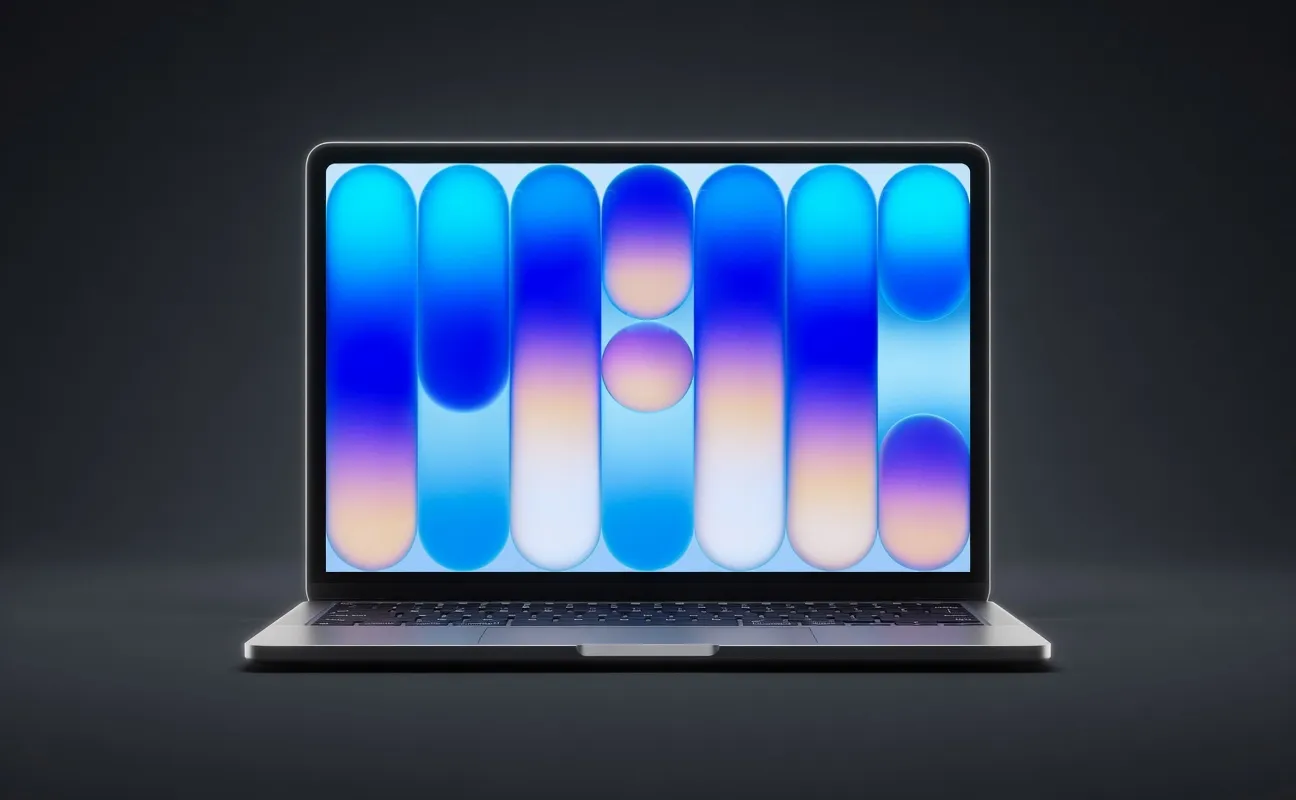
Apple's most affordable laptop ever at $599. Powered by the iPhone-class A18 Pro chip — the first Mac to use an A-series chip instead of M-series. 13-inch Liquid Retina display, 16hr battery, full macOS with Apple Intelligence support.
Manufacturer's suggested retail price. Current prices can be higher or lower. This is not a live price.
8 GB will run a 7B Q4 quant and most embedding models, but the KV cache budget is tight. Better as a stepping stone than a long-term home for AI work.
Generated from this product’s spec sheet. Editor reviews refine it over time.
The Apple MacBook Neo (A18 Pro) represents a strategic shift in Apple’s hardware lineup, marking the first time an A-series chip, typically reserved for the iPhone, powers a full macOS device. At a $599 MSRP, it is positioned as the entry point for localized AI development and the most budget-friendly option for practitioners looking to integrate Apple Intelligence into their workflows. While the M-series MacBooks target high-compute professional workloads, the MacBook Neo is a specialized, energy-efficient tool designed for mobile, on-device inference and the execution of agentic workflows at the edge.
For AI engineers and developers, the MacBook Neo (A18 Pro) for AI serves as a dedicated testing environment for "Small Language Models" (SLMs) and Apple-specific optimizations. It competes directly with mid-range Windows Copilot+ PCs and older MacBook Air models, offering a more repairable and power-efficient alternative for those who prioritize portability and battery life over raw TFLOPS. This device is not a training rig; it is a deployment target for local AI agents and a low-cost gateway for running quantized models via MLX or Ollama.
The core of the MacBook Neo’s AI capability is the A18 Pro chip, featuring a 6-core CPU and a 5-core GPU. While the core count is lower than the M4 series, the A18 Pro is built on a leading-edge process node that emphasizes high single-core performance and Neural Engine efficiency. For practitioners, the most critical spec is the 8GB of unified memory. Because macOS uses a unified memory architecture, this 8GB is shared between the system and the GPU, effectively acting as an 8GB VRAM pool for AI tasks.
While Apple has not disclosed the exact GB/s for the Neo, the A18 Pro architecture typically prioritizes low-latency access. In the context of Apple MacBook Neo (A18 Pro) AI inference performance, the 8GB unified memory is the primary bottleneck for model size, but the Neural Engine (NPU) is specifically tuned for 4-bit and 8-bit quantized operations. This makes the Neo highly efficient at running models optimized for Apple Intelligence.
With a 16-hour battery life and an iPhone-class chip, the MacBook Neo is one of the most energy-efficient AI PCs & laptops on the market. It can sustain background inference tasks, such as local RAG (Retrieval-Augmented Generation) indexing or agentic monitoring, with minimal impact on thermals. For developers building "always-on" local agents, the power-per-watt ratio of the A18 Pro is a significant advantage over power-hungry discrete GPUs.
When evaluating the Apple MacBook Neo (A18 Pro) for local LLMs, practitioners must work within the 8GB memory constraint. This hardware is optimized for Small on-device models via Apple Intelligence and highly quantized versions of open-weight models.
The "sweet spot" for this hardware is 4-bit (Q4_K_M) or 3-bit quantization. Models that fit within the 8GB VRAM limit include:
Based on the A18 Pro's architecture, the Apple MacBook Neo (A18 Pro) tokens per second for a 7B-8B parameter model at 4-bit quantization typically ranges between 8–12 tokens per second. While not "instantaneous" like a 128GB Mac Studio, it is faster than human reading speed and perfectly adequate for local chatbot interfaces or background agent tasks.
The Neo can handle lightweight multimodal models like Moondream2 or Llava-v1.5-7B for basic image description. However, long-context tasks (32k+ tokens) will quickly exhaust the 8GB RAM, leading to significant slowdowns or system swaps. It is best suited for "fast-response" tasks rather than deep document analysis.
The MacBook Neo (A18 Pro) is a specialized tool for specific AI development niches:
To understand where the MacBook Neo fits in the 2025 landscape, it must be compared to other budget-friendly AI-capable laptops.
The MacBook Air M2/M3 (often found on sale for $799-$899) offers more GPU cores and higher memory bandwidth. However, the Neo is $200–$300 cheaper and features a newer Neural Engine optimized for the latest Apple Intelligence features. If your workload is strictly LLM inference, the Air is faster; if your goal is low-cost Apple Intelligence integration and maximum portability, the Neo wins.
Entry-level Windows laptops with the Snapdragon X Plus chip offer competitive NPU performance (45 TOPS). However, the Neo's advantage lies in the macOS Tahoe ecosystem and the seamless integration of the MLX library, which is currently more mature for local LLM execution than many Windows-based ONNX or DirectML implementations. For developers already in the Apple ecosystem, the Neo provides a lower friction path for local AI development.
While the 8GB RAM is a limitation, the Neo's repairability, noted as the best in 14 years for a MacBook, makes it an attractive option for fleets of local inference machines. For teams building decentralized agent networks, the Neo offers a standardized, low-cost, and durable node that can be easily serviced, a rarity in the modern laptop market.
The top models this device can run at 4-bit, ranked by fit and speed.
Specs not available for scoring. This product is missing VRAM or memory bandwidth data.
Also in Our Store
Docks, fast storage, cables, and a UPS sized for a local AI machine.

Rent this class of GPU by the hour before you buy. Live prices from RunPod and Vast.ai.
Find the break-even between buying this hardware and paying for a cloud API.
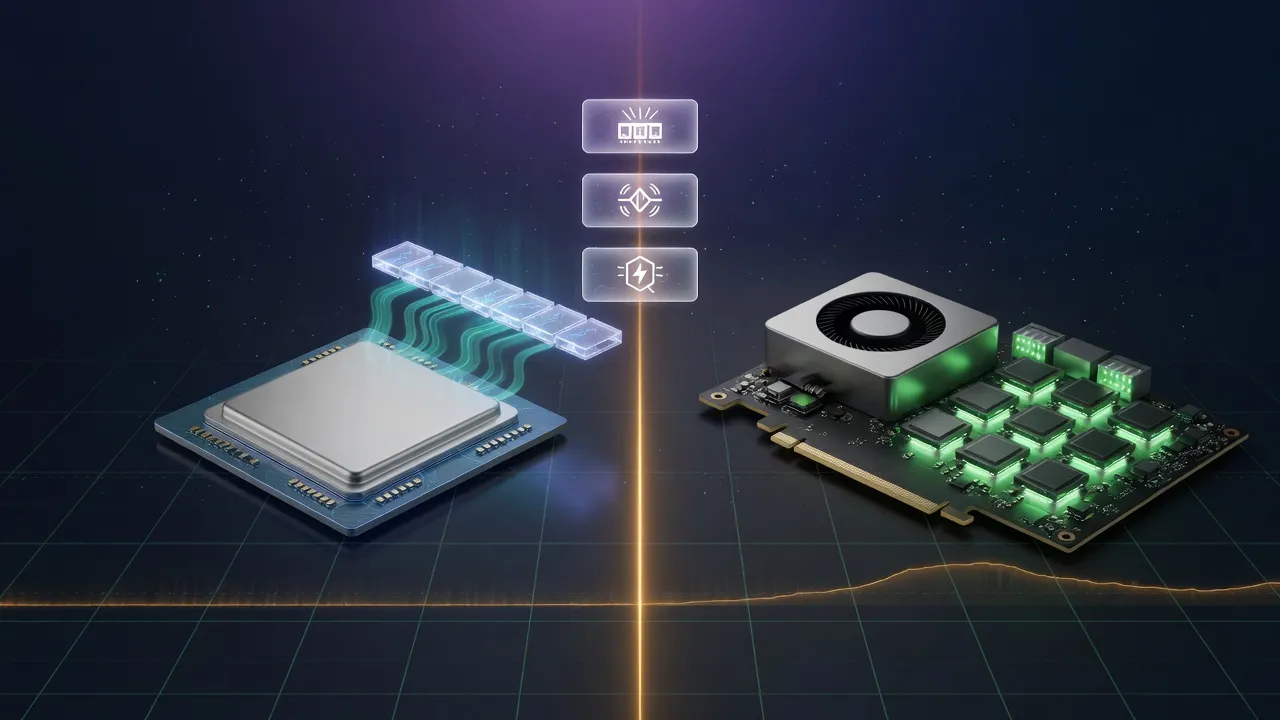
Mac vs NVIDIA for local inference, if you are still choosing a platform.