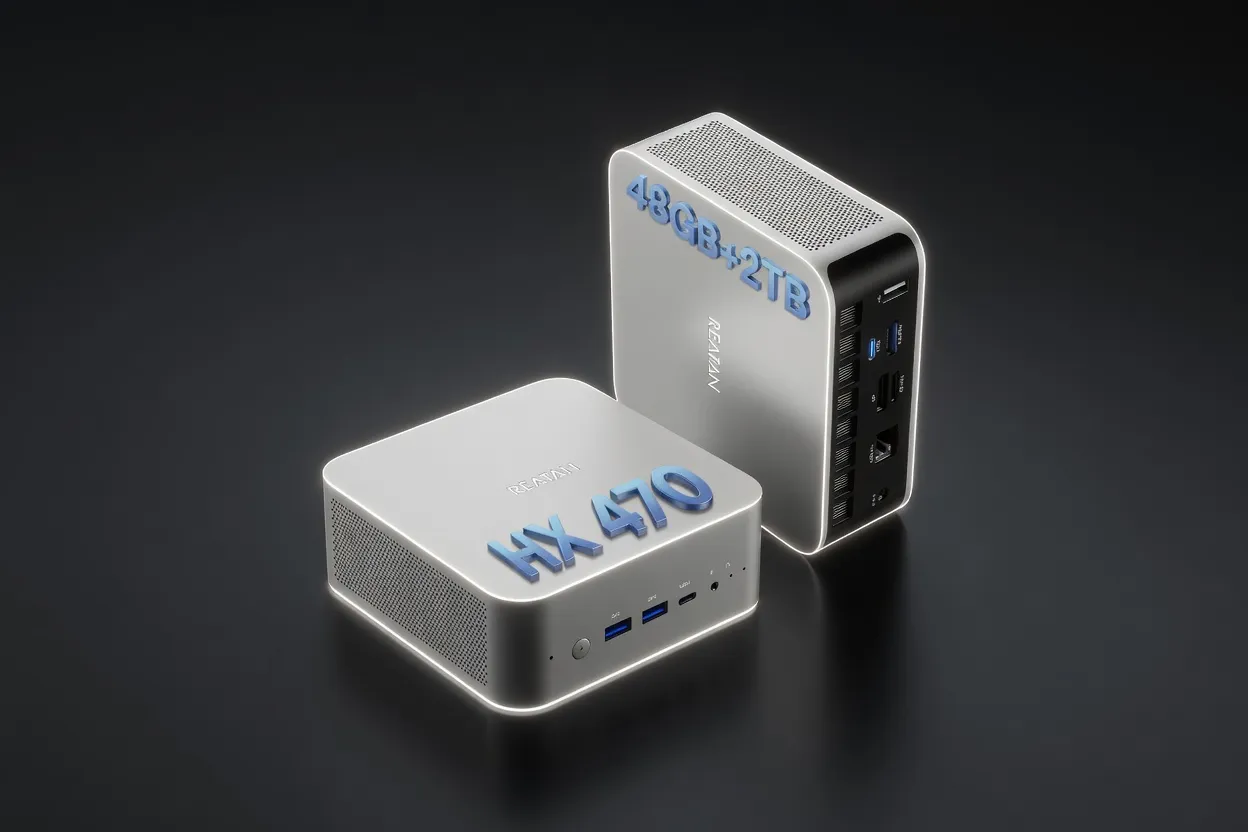
Second-generation Arm-based PC processor built on 3nm with 3rd-gen Oryon CPU and upgraded 80 TOPS Hexagon NPU. Major step up in AI performance for premium Windows laptops.
The Qualcomm Snapdragon X2 Elite represents the second generation of Qualcomm’s dedicated Arm-based silicon for the Windows ecosystem. Built on a TSMC 3nm process node, this SoC is designed specifically to address the "AI PC" bottleneck: the need for high-performance NPU throughput without the thermal and power penalties of discrete GPUs. While the first-generation X Elite established a baseline for ARM on Windows, the X2 Elite is a refined, high-end silicon platform targeting developers and power users who require consistent local inference capabilities on mobile workstations.
For practitioners, the Snapdragon X2 Elite for AI is significant because it moves the needle from "experimental" local LLM usage to "production-ready" agentic workflows. By integrating the 3rd-gen Oryon CPU and a significantly upgraded 80 TOPS Hexagon NPU, Qualcomm is positioning this chip to compete directly with Apple’s M-series Pro/Max silicon and Intel’s Lunar Lake/Arrow Lake architectures. It is a premium, high-end mobile platform optimized for local AI development, RAG (Retrieval-Augmented Generation) pipelines, and autonomous agent execution.
The defining metric for the Snapdragon X2 Elite AI inference performance is its 80 TOPS (Trillions of Operations Per Second) Hexagon NPU. This is a 1.7x increase over the previous generation, providing the raw overhead necessary for real-time multimodal interaction. In the context of local AI development, this throughput allows for offloading intensive INT8-quantized model execution from the CPU/GPU to the NPU, preserving battery life and thermal headroom for other development tasks.
Memory remains the primary constraint for local LLMs. The X2 Elite utilizes LPDDR5x memory. While specific maximum capacities are OEM-dependent, the architecture is designed to support the high-density modules required for larger on-device LLMs than X1. For AI practitioners, the unified memory architecture means the Adreno X2 GPU and Hexagon NPU share the same high-speed pool, effectively acting as the "VRAM" for large language models. The move to 3nm allows for higher sustained clock speeds on the memory controller, which is critical for maintaining high tokens per second during long-context window processing.
The Snapdragon X2 Elite is designed to handle the current generation of "small-to-medium" language models (SLMs and LLMs) with high efficiency. Because it is a Copilot+ PC-certified chip, the software stack is increasingly optimized for the ONNX Runtime and Qualcomm’s own AI Hub.
The "sweet spot" for the X2 Elite is 4-bit to 8-bit INT8 quantization. While FP16 is possible on the GPU, the 80 TOPS NPU is where the performance-per-watt advantage lies.
While exact Snapdragon X2 Elite tokens per second depend on the specific quantization method (e.g., GGUF vs. Qualcomm’s native formats), the 80 TOPS NPU is engineered to keep 7B-8B models above the 30-40 tokens/sec range at INT8. This exceeds human reading speed and is sufficient for local AI agents to process multi-step tasks without significant lag.
The Snapdragon X2 Elite is the best hardware for local AI agents in 2025 for users who prioritize mobility and efficiency over raw, power-hungry desktop GPUs.
When evaluating the Snapdragon X2 Elite as the best AI chip for local deployment, it must be compared against its primary rivals: Apple Silicon and the latest x86 offerings from Intel and AMD.
Apple’s M4 Pro remains the strongest competitor in the premium Arm space. While Apple’s Unified Memory Architecture (UMA) often offers higher raw bandwidth (useful for 70B+ models), the Snapdragon X2 Elite’s Hexagon NPU is specifically architected for high-throughput INT8 operations. If your workflow relies on the Windows ecosystem or specific Qualcomm AI Hub optimizations, the X2 Elite offers a more flexible environment for Windows-based AI development.
Intel’s Lunar Lake also targets the Copilot+ PC market with a focus on NPU performance (approx. 48 TOPS). The X2 Elite’s 80 TOPS NPU provides a significant raw compute advantage for local inference. While Intel has the advantage of "legacy" x86 compatibility, the X2 Elite’s 3rd-gen Oryon CPU and superior NPU throughput make it the more potent choice for dedicated AI-first workloads where ARM-native performance is prioritized.
Choose the Snapdragon X2 Elite if you need the highest NPU-to-watt ratio available in a laptop. It is the ideal platform for practitioners who need to run 7B-14B models locally for extended periods without being tethered to a wall outlet, and for those who want to leverage the growing ecosystem of ARM-optimized AI tools on Windows.
The top models this device can run at 4-bit, ranked by fit and speed.
Specs not available for scoring. This product is missing VRAM or memory bandwidth data.

Rent this class of GPU by the hour before you buy. Live prices from RunPod and Vast.ai.

Find the break-even between buying this hardware and paying for a cloud API.
Get a full budget-matched parts list for a local AI workstation.
Mac vs NVIDIA for local inference, if you are still choosing a platform.