- Services
Discover how multi-agent AI systems transform business operations through specialized collaboration and real-world implementation examples.

📝 Audio Version
Listen to this AI-generated podcast summarizing the article content for easier digestion
AI agents are evolving beyond solo performers. Multi-agent systems represent the next frontier in artificial intelligence. In these systems, multiple AI agents collaborate to solve complex problems. They're gaining traction across industries for their ability to handle sophisticated tasks that single agents cannot manage effectively.
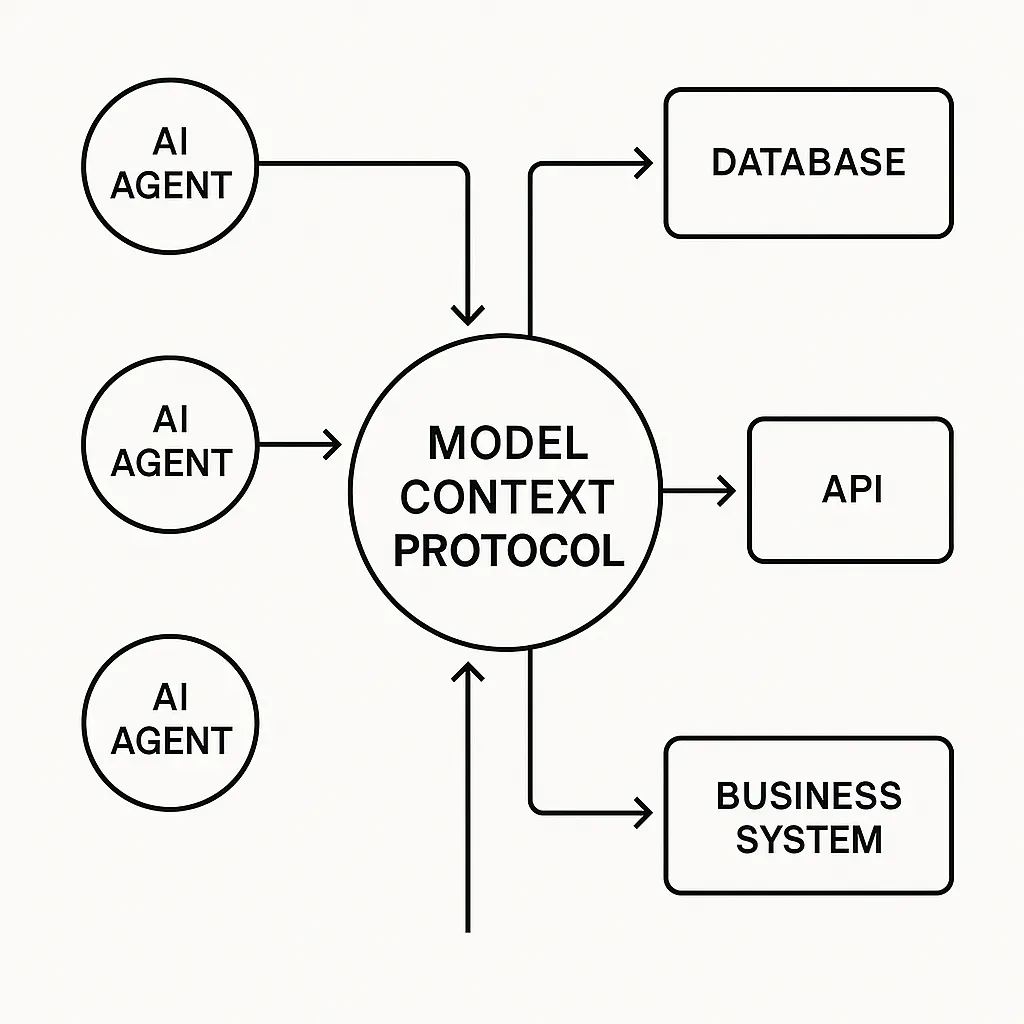
Model Context Protocol (
MCP creates standardized interfaces between agents and data sources, enabling agents to access information from databases, APIs, and business systems using a common language. For developers, this means:
Single-agent systems face clear limitations:
Multi-agent architectures solve these problems through specialization and collaboration. Each agent handles specific tasks it performs best. One agent might retrieve data while another analyzes it, and a third presents results to users.
Google Cloud recently unveiled their Agent Development Kit (ADK) exemplifying this approach. ADK allows developers to build agents that collaborate through deterministic guardrails and orchestration controls. The companion Agent Engine provides a fully managed runtime to deploy these agents with enterprise-grade controls.
The advantages of multi-agent architectures extend beyond mere efficiency:
Renault Group demonstrates the practical value of multi-agent systems with their ADK-based agent that optimizes electric vehicle charger placement. This system analyzes geographical, zoning, and traffic data to prioritize infrastructure investments, reducing strain on human analysts.
Nippon Television implemented Agent Engine as the foundation for their video analysis AI. This implementation saved them an estimated month of development time while maintaining seamless connections with other Google Cloud products.
Revionics created a multi-agent system to help retailers set prices based on business logic. Their solution combines specialized agents for data retrieval with constraint application tools, automating entire pricing workflows through efficient agent collaboration.
Each case shows how multi-agent systems tackle problems too complex for single agents alone.
The new Agent2Agent (A2A) protocol enables agents built on different frameworks and by different vendors to communicate seamlessly. This interoperability is crucial for creating effective multi-agent ecosystems.
Multi-agent systems face threats like prompt injection attacks and unauthorized data access. Proper implementation includes:
Multi-agent architectures find strong adoption among financial services, healthcare, manufacturing, and retail. These industries deal with complex data ecosystems where specialized agents can drive significant efficiency gains.
Several advancements are on the horizon:
Google's partnerships with over 50 industry leaders show broad commitment to open standards in multi-agent systems. This collaboration promises more interoperable and powerful agent ecosystems in the near future.
Understanding multi-agent architectures and MCP provides a competitive edge in AI implementation. These systems represent the practical evolution of AI from theoretical models to working solutions for complex business problems.
Consider these questions when exploring multi-agent implementations:
Are you interested in implementing multi-agent systems in your organization? Contact me and let's have a chat.
Multi-agent AI systems are transforming daily operations across industries. By leveraging specialized agents working in team-mode, enterprises can tackle challenges and achieve new levels of operational efficiency. The technology continues to mature rapidly, making now the ideal time to explore how multi-agent architectures might revolutionize your business processes.
This content was part of my newsletter The Agent Roundup. Every week I break down everything new in the world of AI agents. Easy to digest insights, strategies, case studies, and more. Sign up for free to stay in the loop.
About the author

Tobias Wupperfeld
Tobias is an independent AI engineer and operator who has shipped AI systems inside startups and scale-ups across fintech, procurement, engineering, and more. He runs Made By Agents focused on agentic coding and consults for companies, where he leads AI integration across processes and product lines.
Keep Reading
We write about coding agents, multi-agent systems, AI pair programming, and the engineering practices we use with clients. Hands-on lessons from real projects, not high-level theory.
Browse All Articles