- Services
Advertising disclosure: we earn commissions when you shop through the links below.
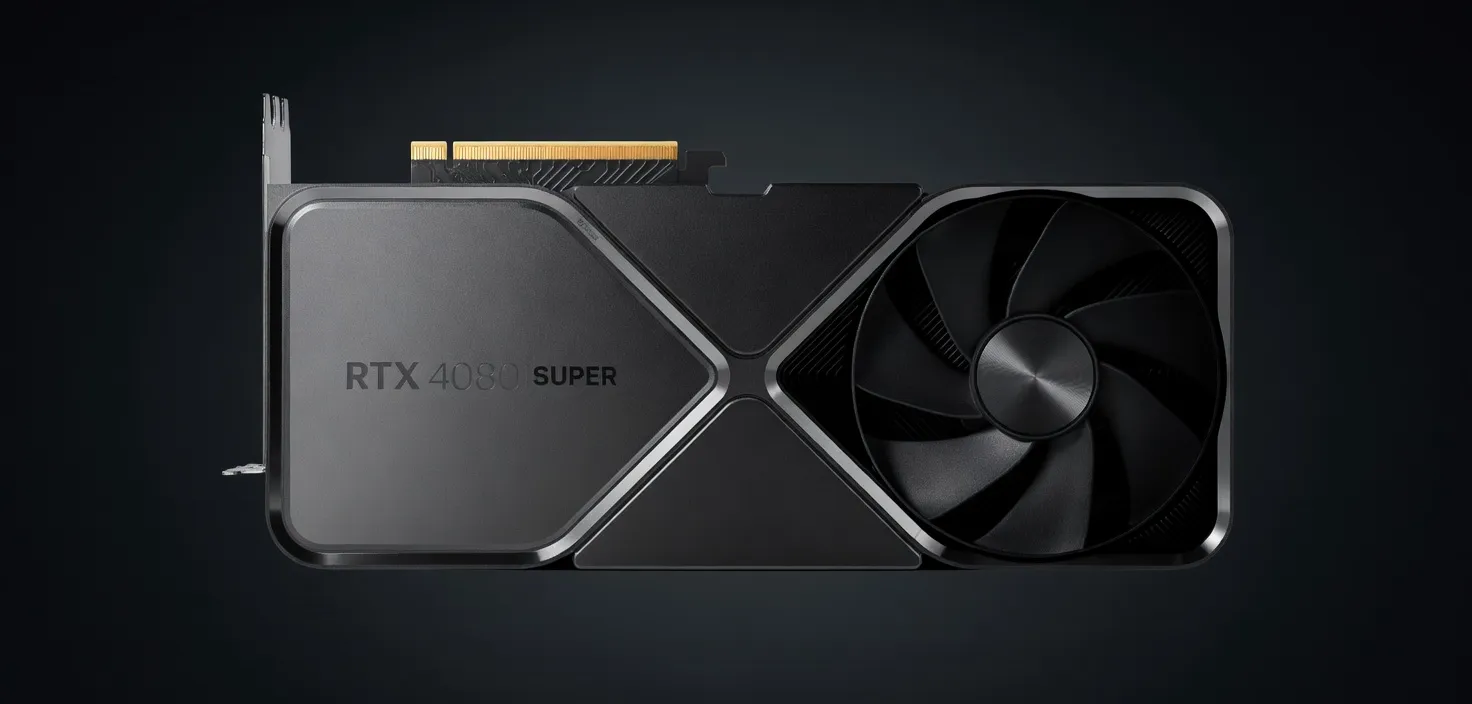
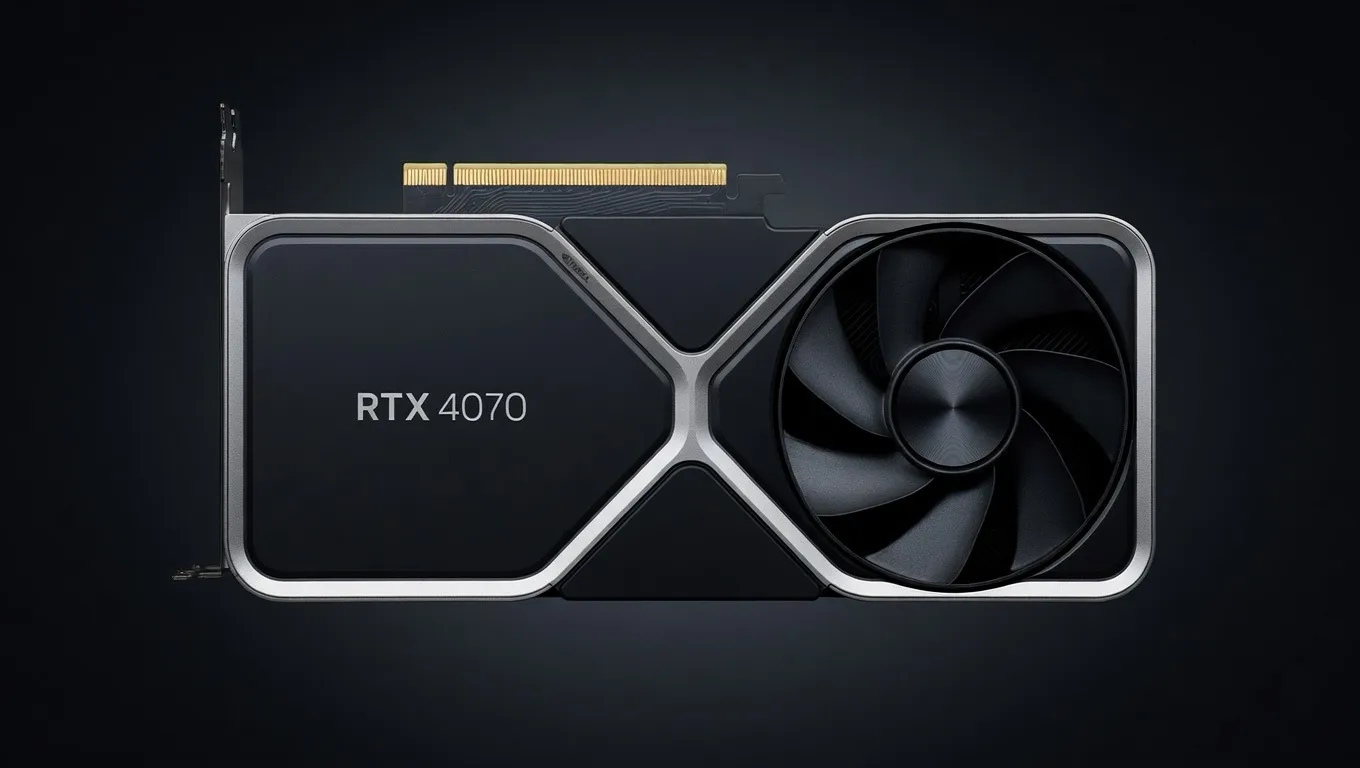
Upgraded Ada Lovelace GPU with 10,240 CUDA cores and 16GB GDDR6X. Strong 4K performer that bridges the gap between RTX 4070 Ti SUPER and RTX 4090.
Manufacturer's suggested retail price. Current prices can be higher or lower. This is not a live price.
Good balance for indie developers running local copilots and chat. 30B+ models are reachable but only with aggressive quantization and short context. Pricing puts it well above average on raw compute-per-dollar, which matters more than peak FLOPS for steady inference loads.
Generated from this product’s spec sheet. Editor reviews refine it over time.
GPU Rental Price Index
From $0.28 per GPU-hour, NVIDIA GeForce RTX 4080 SUPER on RunPod.
The NVIDIA GeForce RTX 4080 SUPER serves as a high-performance anchor in the Ada Lovelace consumer lineup, specifically designed for practitioners who require significant compute density without the enterprise price tag of the H100 or the extreme premium of the RTX 4090. Positioned as a "prosumer" bridge, this GPU is a refined version of the original 4080, offering a full 10,240 CUDA cores and a slight bump in clock speeds. For AI engineers and researchers, it represents one of the most cost-effective ways to access 836.5 INT8 TOPS of AI compute, making it a staple for local inference and development environments.
While the RTX 4090 remains the undisputed king of consumer AI hardware, the RTX 4080 SUPER is the strategic choice for workstations where power constraints, physical dimensions, or budget prevent the flagship's use. It competes directly with the AMD Radeon RX 7900 XTX in raw memory capacity, but maintains a significant lead in the AI space due to NVIDIA’s mature CUDA ecosystem and superior Tensor Core performance. For those building local AI agents or deploying computer vision pipelines, the 4080 SUPER offers a high-throughput alternative that fits comfortably into standard ATX builds with its 320W TDP.
When evaluating the NVIDIA GeForce RTX 4080 SUPER for AI inference performance, three metrics matter most: VRAM capacity, memory bandwidth, and Tensor Core throughput.
The 16GB of GDDR6X VRAM is the defining constraint and capability of this card. While 16GB is the entry-level requirement for modern LLM development, the 4080 SUPER utilizes a 256-bit memory bus providing 736 GB/s of bandwidth. In the context of local LLMs, memory bandwidth is almost always the bottleneck for token generation (inference speed). At 736 GB/s, the 4080 SUPER delivers exceptionally fast "tokens per second" for models that fit entirely within its memory buffer, significantly outperforming the 4070 Ti SUPER (672 GB/s).
The 4th Generation Tensor Cores are the engine behind the 4080 SUPER's 104.6 TFLOPS of FP16 performance. For AI development, this translates to rapid processing of dense matrix multiplications found in transformer blocks.
Compared to the previous generation RTX 3080 Ti, the 4080 SUPER offers a massive leap in efficiency. You are getting significantly higher TOPS per watt, which is vital for 24/7 inference servers or agentic workflows that run continuously in the background.
The NVIDIA GeForce RTX 4080 SUPER VRAM for large language models is optimized for the "sweet spot" of modern open-source AI: the 7B to 14B parameter range. Because the card has 16GB of VRAM, you can run various models with enough headroom for KV cache (context window).
The 4080 SUPER is the ideal hardware for running 13B at Q4 or 7B at FP16 parameter models.
As a card tagged as "Best for Computer Vision," the 4080 SUPER excels at running models like Stable Diffusion XL (SDXL) and Flux.1 [schnell]. The 16GB VRAM allows for high-resolution image generation and fine-tuning via LoRA (Low-Rank Adaptation) without hitting "Out of Memory" (OOM) errors that plague 8GB or 12GB cards. For video models like SVD (Stable Video Diffusion), the 4080 SUPER provides the necessary VRAM to generate short clips locally.
The RTX 4080 SUPER is designed for practitioners who need a reliable, high-throughput workhorse for local development.
If you are building "Agentic Workflows" where multiple LLM calls happen in sequence, latency is your enemy. The high memory bandwidth of the 4080 SUPER ensures that the "thinking" phase of your agents (the LLM inference) happens fast enough to feel real-time. This makes it the best hardware for local AI agents in 2025 for developers who don't want to spend $1,600+ on a 4090.
Engineers working on object detection (YOLOv10/v11), image segmentation (SAM 2), or OCR pipelines will find the 10,240 CUDA cores highly effective. The 16GB buffer allows for processing high-batch sizes or high-resolution input frames, which is critical for real-time video analytics.
While not a "training card" in the enterprise sense, the 4080 SUPER is excellent for fine-tuning small models (under 10B parameters) using PEFT (Parameter-Efficient Fine-Tuning) techniques like QLoRA. This allows researchers to prototype models locally before deploying them to cloud-based H100 clusters.
Choosing the best NVIDIA GPU for running AI models locally often comes down to a trade-off between VRAM and price.
The RTX 4090 offers 24GB of VRAM and nearly double the memory bandwidth. For models larger than 14B parameters, the 4090 is superior. However, the 4080 SUPER is significantly easier to cool, fits in smaller chassis, and (at its MSRP of $999) was much more accessible for multi-GPU setups. If your models fit in 16GB, the 4080 SUPER provides about 70-80% of the performance for 60% of the price.
Both cards feature 16GB of VRAM, which is the most important spec for model loading. However, the 4080 SUPER has ~20% more CUDA cores and higher memory bandwidth (736 GB/s vs 672 GB/s). If you are running high-throughput inference or heavy computer vision tasks, the 4080 SUPER’s extra compute power justifies the premium. If you only care about fitting a specific model into memory and speed is secondary, the 4070 Ti SUPER is the more economical "16GB GPU for AI."
While the AMD Radeon RX 7900 XTX offers 24GB of VRAM for a similar price, NVIDIA remains the industry standard for AI development. The 4080 SUPER supports the entire CUDA ecosystem, including bitsandbytes for quantization, TensorRT for deployment, and FlashAttention. Most cutting-edge repositories on GitHub work out-of-the-box with the 4080 SUPER, whereas AMD (ROCm) often requires additional configuration and lacks the same level of library support for many niche AI research tools.
The top models this device can run at 4-bit, ranked by fit and speed.
| Model | Grade | Speed | VRAM |
|---|---|---|---|
| Mixtral 8x7B InstructMistral AI | SS | 52.1 tok/s | 11.4 GB |
| AliceAI-Foundation-80B-A3B-Baseyandex | SS | 69.4 tok/s | 8.5 GB |
| DiffusionGemma 26B-A4BGoogle | SS | 56.5 tok/s | 10.5 GB |
| Gemma 4 26B-A4B ITGoogle | SS | 53.8 tok/s | 11.0 GB |
| Xing4.0-29B-A4BChina Telecom AI | SS | 52.9 tok/s | 11.2 GB |
Also in Our Store
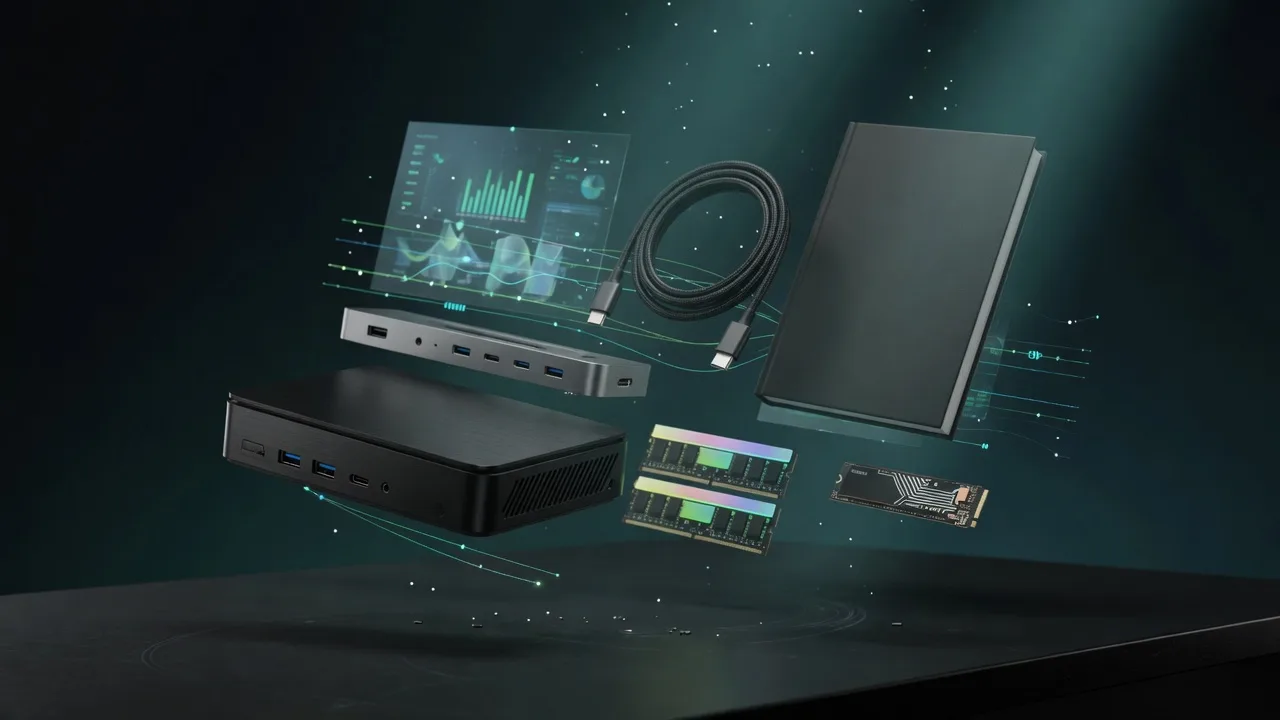
Docks, fast storage, cables, and a UPS sized for a local AI machine.

Rent this class of GPU by the hour before you buy. Live prices from RunPod and Vast.ai.
Find the break-even between buying this hardware and paying for a cloud API.
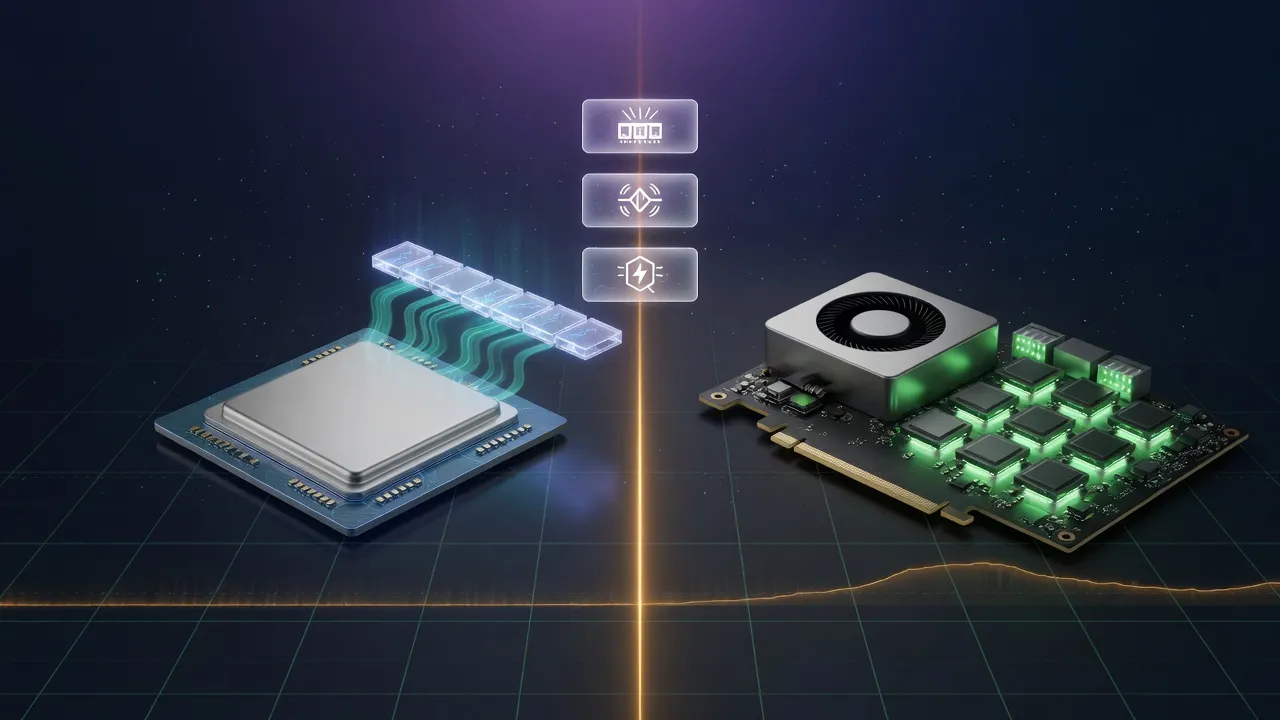
Mac vs NVIDIA for local inference, if you are still choosing a platform.