- Services
Advertising disclosure: we earn commissions when you shop through the links below.
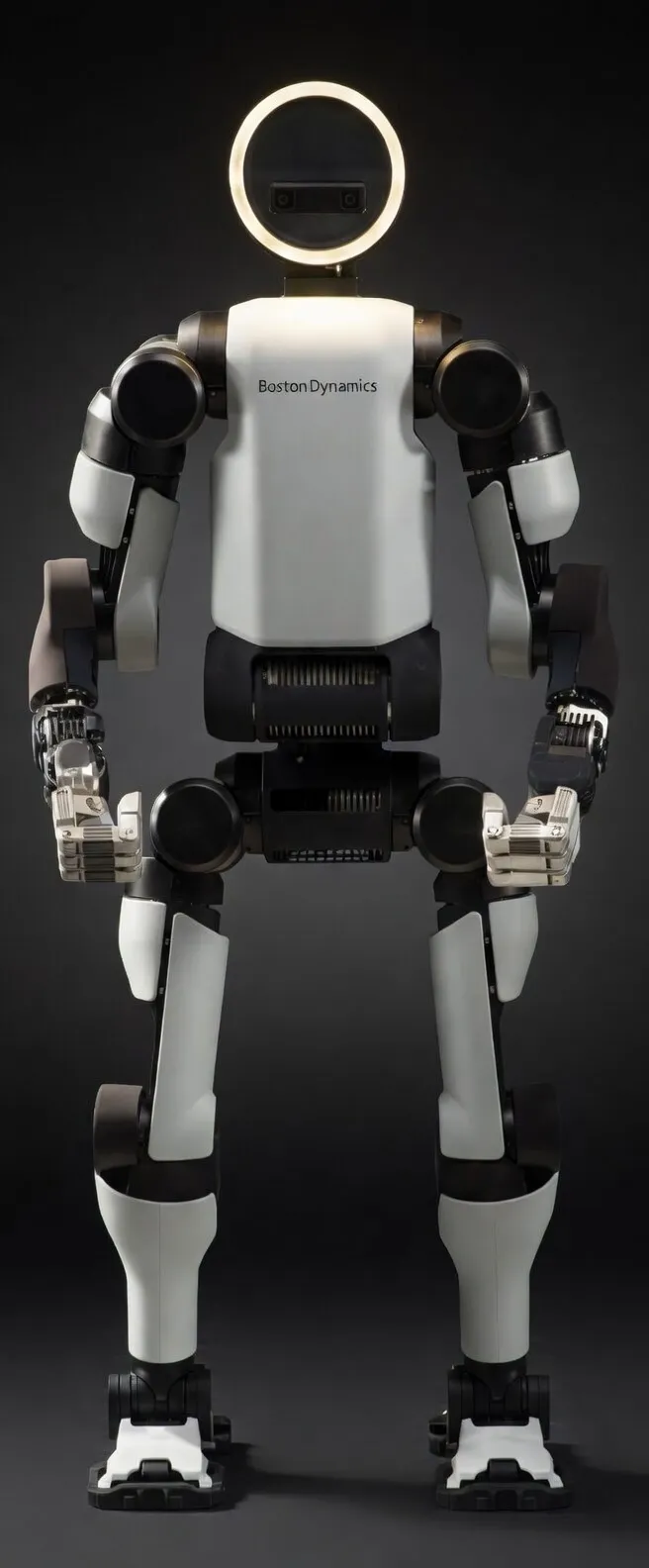
Boston Dynamics' next-generation fully electric humanoid robot with industry-leading athleticism. Designed for commercial and industrial applications, not consumer sale.
The Boston Dynamics Atlas (Electric) represents a fundamental shift in the architecture of high-performance humanoid robotics. By transitioning from the legacy hydraulic systems of its predecessor to a fully electric platform, Boston Dynamics has created a machine optimized for the precision and repeatability required in modern AI-driven autonomy. While the hydraulic Atlas was a masterpiece of laboratory engineering and parkour-heavy research, the electric Atlas is a commercial-grade platform designed for deployment in industrial environments.
For AI engineers and robotics researchers, the electric Atlas is more than a mobility platform; it is a sophisticated edge device. Owned by Hyundai, Boston Dynamics is positioning this robot to bridge the gap between digital intelligence and physical labor. In the landscape of best humanoid robots for running AI models locally, Atlas competes directly with the Tesla Optimus Gen 2 and the Figure 02. However, Atlas distinguishes itself through its unique 360° joint rotation and superior mechanical range of motion, which allows it to perform maneuvers that are physically impossible for a human-constrained silhouette.
This is a premium, enterprise-tier platform. It is not a consumer product. It is designed for organizations building agentic workflows where the "agent" must manipulate the physical world with high dexterity. For those evaluating Boston Dynamics humanoid robots for AI development, the electric Atlas serves as the gold standard for testing end-to-end transformer models that map sensory input directly to motor torques.
The shift to an all-electric drivetrain is critical for Boston Dynamics Atlas (Electric) AI inference performance. Hydraulic systems are notoriously difficult to model with high fidelity in simulation (Sim2Real); electric actuators provide the linear, predictable response curves necessary for reinforcement learning (RL) and large-scale imitation learning.
While Boston Dynamics has not publicly disclosed the exact silicon buried in the Atlas torso, the requirements of real-time vision processing and dynamic balance necessitate a high-performance edge compute stack. To remain competitive in the best hardware for local AI agents 2025 category, the Atlas likely utilizes a multi-node compute architecture:
When considering Boston Dynamics Atlas (Electric) VRAM for large language models, it is important to distinguish between the robot's "brain" and its "nervous system." For local autonomy, VRAM is the primary bottleneck. To run a state-of-the-art VLA model alongside environmental spatial mapping (SLAM), the platform requires significant memory bandwidth to maintain the high control loop frequencies (typically 500Hz to 1kHz) necessary for dynamic stability.
The move to electric power significantly improves the "compute-to-power" ratio. Unlike the hydraulic version, which required a massive power draw just to maintain pressure, the electric Atlas only consumes significant energy during movement. This efficiency allows for more thermal headroom to be allocated to the onboard GPUs, sustaining higher Boston Dynamics Atlas (Electric) tokens per second during prolonged inference tasks.
The electric Atlas is designed to be the physical embodiment of a Large Language Model (LLM) or a Vision-Language Model (VLM). The primary goal is local execution; latency is the enemy of balance.
For practitioners looking at Boston Dynamics Atlas (Electric) for AI, the onboard compute is optimized for quantized models that fit within edge-tier memory constraints (likely 32GB to 64GB of shared memory).
Running a 70B parameter model like Llama 3 or DeepSeek-R1 locally on the Atlas is likely impractical for real-time movement. A 70B model, even at 4-bit quantization (approx. 40GB VRAM), would consume the majority of the onboard resources and introduce latencies that could compromise the robot's reactive safety systems. For 70B+ models, the Atlas would typically act as a client, offloading the "thinking" to a local inference server while handling the "acting" onboard.
The Boston Dynamics Atlas (Electric) is targeted at enterprise R&D teams and industrial innovators.
The Optimus Gen 2 is designed for high-volume manufacturing and mimics human kinematics very closely. In contrast, the Atlas (Electric) prioritizes "super-human" athleticism. While Optimus is restricted by human-like joint limits, Atlas uses its 360° actuators to move more efficiently. From an AI perspective, Optimus is tightly integrated into the Tesla FSD stack, whereas Atlas offers a more versatile platform for diverse industrial AI applications.
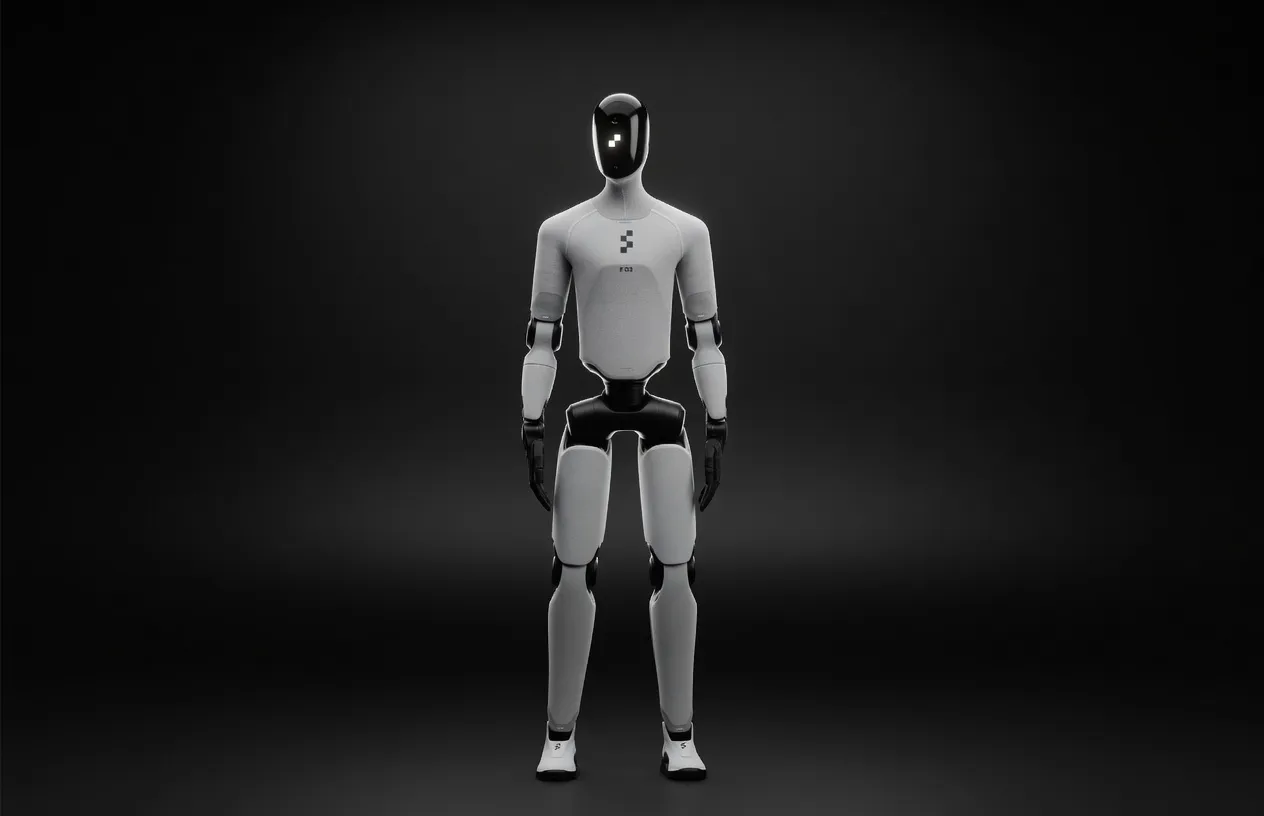
Figure 02 has made significant strides in integrating OpenAI's models for natural language interaction. While Figure focuses heavily on the "human-like" interaction aspect, the Atlas (Electric) leans into "industrial-strength" mobility. If your AI workload requires the robot to recover from a fall or navigate a complex 3D environment (parkour), Atlas is the superior choice. If your use case is primarily stationary or involves basic walking with high-level speech integration, Figure 02 is a formidable competitor.
When choosing the best AI chip for local deployment within a robotic frame, the Atlas (Electric) represents the peak of integrated mechatronics and compute. It is the definitive platform for those who believe that the next frontier of AI is not on a screen, but in the physical world.
The top models this device can run at 4-bit, ranked by fit and speed.
Specs not available for scoring. This product is missing VRAM or memory bandwidth data.
Also in Our Store
Docks, fast storage, cables, and a UPS sized for a local AI machine.
Rent this class of GPU by the hour before you buy. Live prices from RunPod and Vast.ai.
Find the break-even between buying this hardware and paying for a cloud API.
Mac vs NVIDIA for local inference, if you are still choosing a platform.