- Services
Advertising disclosure: we earn commissions when you shop through the links below.
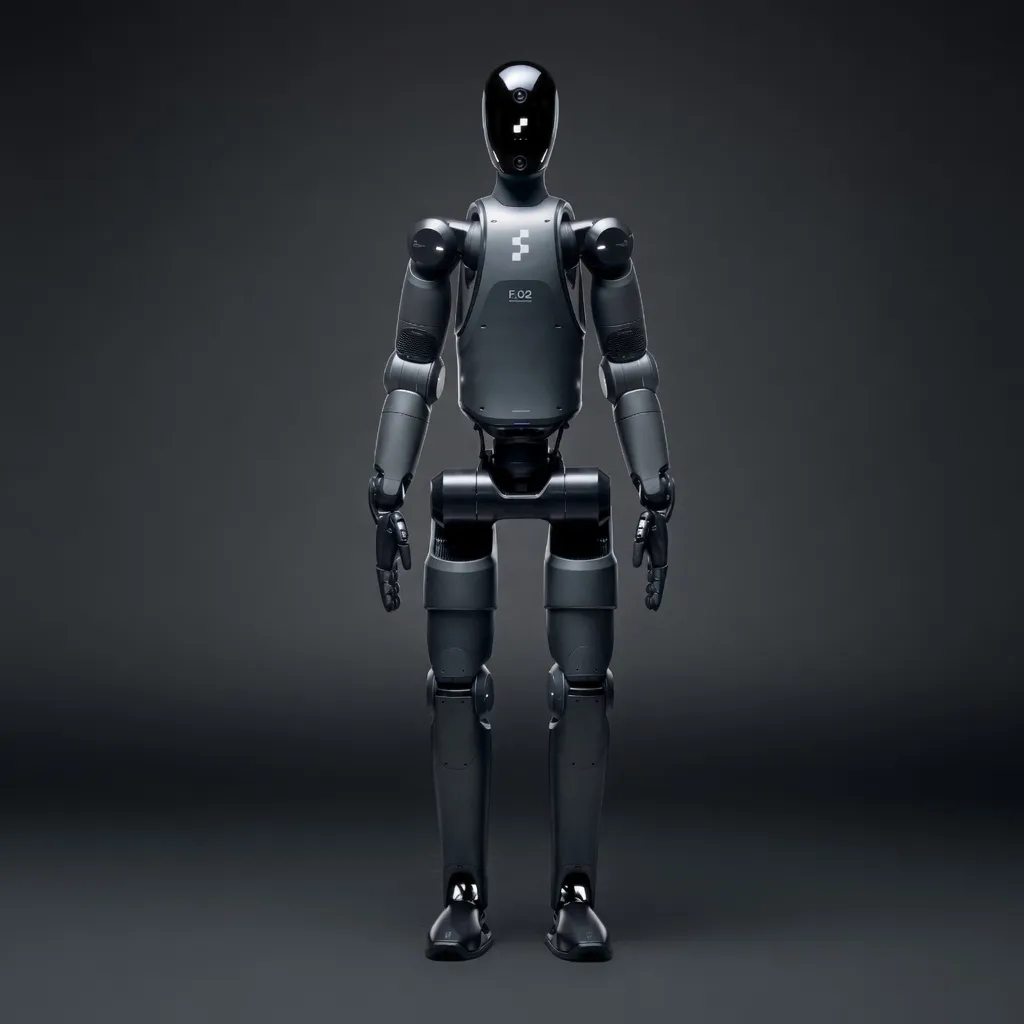
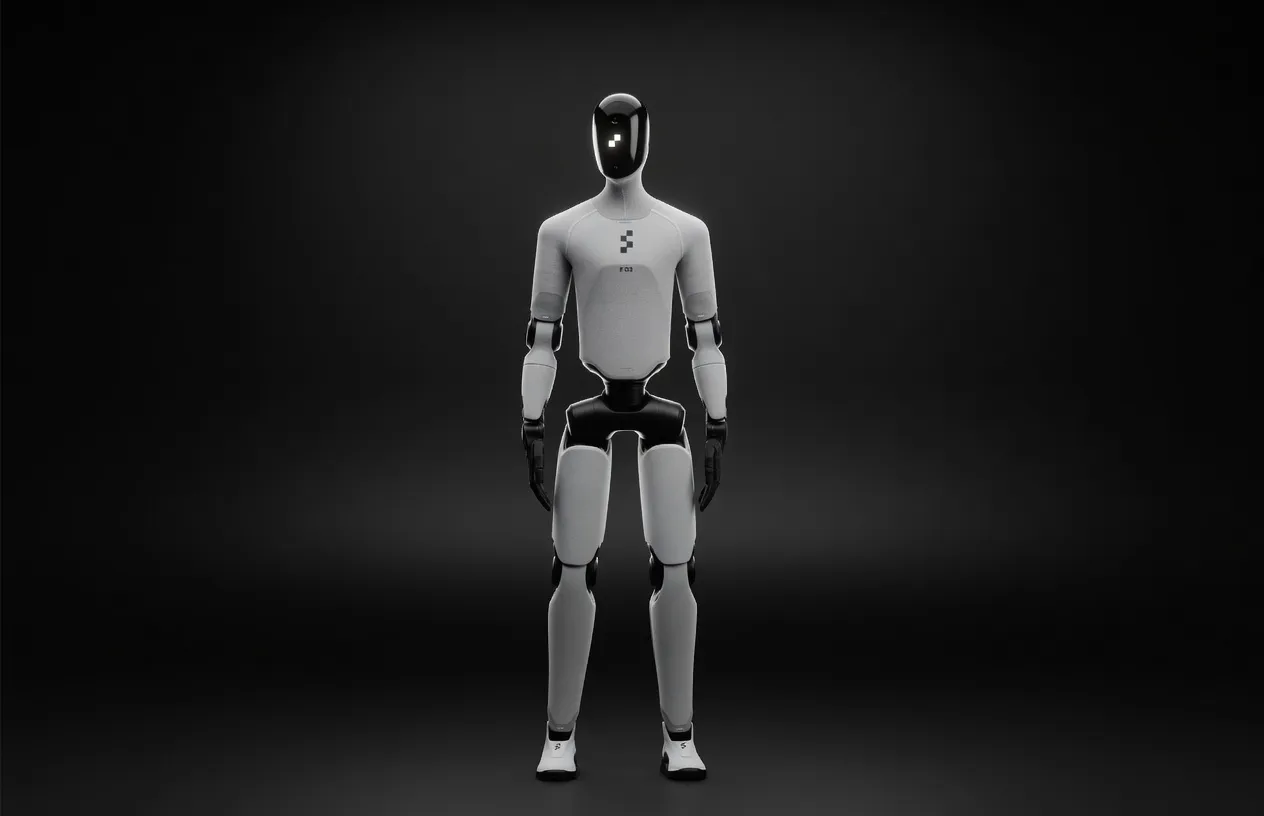
Figure AI's second-generation humanoid robot featuring six RGB cameras, advanced dexterous hands, and OpenAI-powered speech interaction. Currently deployed in limited pilot at BMW's Spartanburg plant.
The Figure 02 Humanoid Robot is Figure AI’s second-generation autonomous platform, designed specifically for high-dexterity labor and complex human-robot interaction. Unlike stationary industrial arms or specialized mobile bases, Figure 02 is a full-scale bipedal humanoid (~170 cm) built to operate in environments designed for humans. For AI engineers and researchers, this is not just a robotics platform; it is a mobile, embodied AI edge node.
Positioned in the premium enterprise tier, Figure 02 represents a significant leap from the Figure 01 prototype. It is designed to compete directly with high-end platforms like the Tesla Optimus (Gen 2) and the Boston Dynamics Atlas (Electric). While many humanoid projects remain in laboratory phases, Figure 02 is already seeing real-world deployment through a limited pilot at BMW’s Spartanburg manufacturing plant, where it is being tested for data collection and assembly line integration. For those evaluating the best humanoid robots for running AI models locally, Figure 02 stands out due to its tight integration with OpenAI’s speech-to-speech models and its sophisticated vision-language model (VLM) pipeline.
The Figure 02 Humanoid Robot for AI applications is built around a centralized compute architecture that handles both low-level motor control and high-level cognitive tasks. While Figure AI has not publicly disclosed the exact silicon (e.g., NVIDIA Jetson Thor or custom ASICs), the platform’s performance is optimized for real-time inference of Vision-Language-Action (VLA) models.
The robot features a 6x RGB camera array providing a 360-degree spherical view of the environment. Unlike simple object detection, the onboard AI must process these high-resolution feeds simultaneously to maintain spatial awareness and perform depth estimation. This requires substantial memory bandwidth to avoid latency in the perception-action loop.
For practitioners looking at Figure 02 Humanoid Robot VRAM for large language models, the system is designed to run multimodal models that integrate visual input with text-based reasoning.
While enterprise humanoid specs are often proprietary, the Figure 02 is engineered to handle the throughput required for real-time tactile sensing and 10-degree-of-freedom (DOF) hand manipulation. This necessitates a compute stack capable of processing high-frequency sensor data alongside high-level LLM reasoning.
The core value proposition of the Figure 02 Humanoid Robot for AI development is its ability to execute embodied AI tasks. This involves running a stack of models ranging from small, high-speed controllers to large, reasoning-heavy models.
The Figure 02 is designed to run a combination of local and cloud-based models. For mission-critical autonomy, practitioners can expect the hardware to support:
While exact Figure 02 Humanoid Robot tokens per second benchmarks depend on the specific quantization used, the hardware is designed to ensure that the "thinking" time does not exceed the "acting" time. For a 7B parameter model, practitioners can expect inference speeds that exceed human speaking rates (approx. 15-20 tokens/sec), ensuring seamless interaction. For larger logic tasks, the system can offload to more powerful remote servers, though the trend in Figure AI humanoid robots for AI development is toward increasing the "on-edge" autonomy.
The Figure 02 is not a consumer toy; it is a high-end development and industrial tool.
As demonstrated in the BMW pilot, the primary use case is the automation of complex, non-repetitive tasks in manufacturing. AI engineers can use the platform to train models on tactile feedback and precision manipulation, such as inserting parts or managing logistics in a warehouse.
For teams building the best hardware for local AI agents 2025, Figure 02 provides the ultimate "body" for an agent. It allows researchers to move beyond digital-only agents into physical agency. Developers can test how an LLM-based agent navigates physical constraints, handles unexpected obstacles, and communicates with human coworkers.
Because the Figure 02 can run models locally, it is suitable for environments with restricted connectivity (e.g., secure research labs or remote industrial sites). This makes it a primary candidate for projects requiring hardware for running 70B parameter models (via off-board compute) or mid-sized models (on-board) without data leaving the facility.
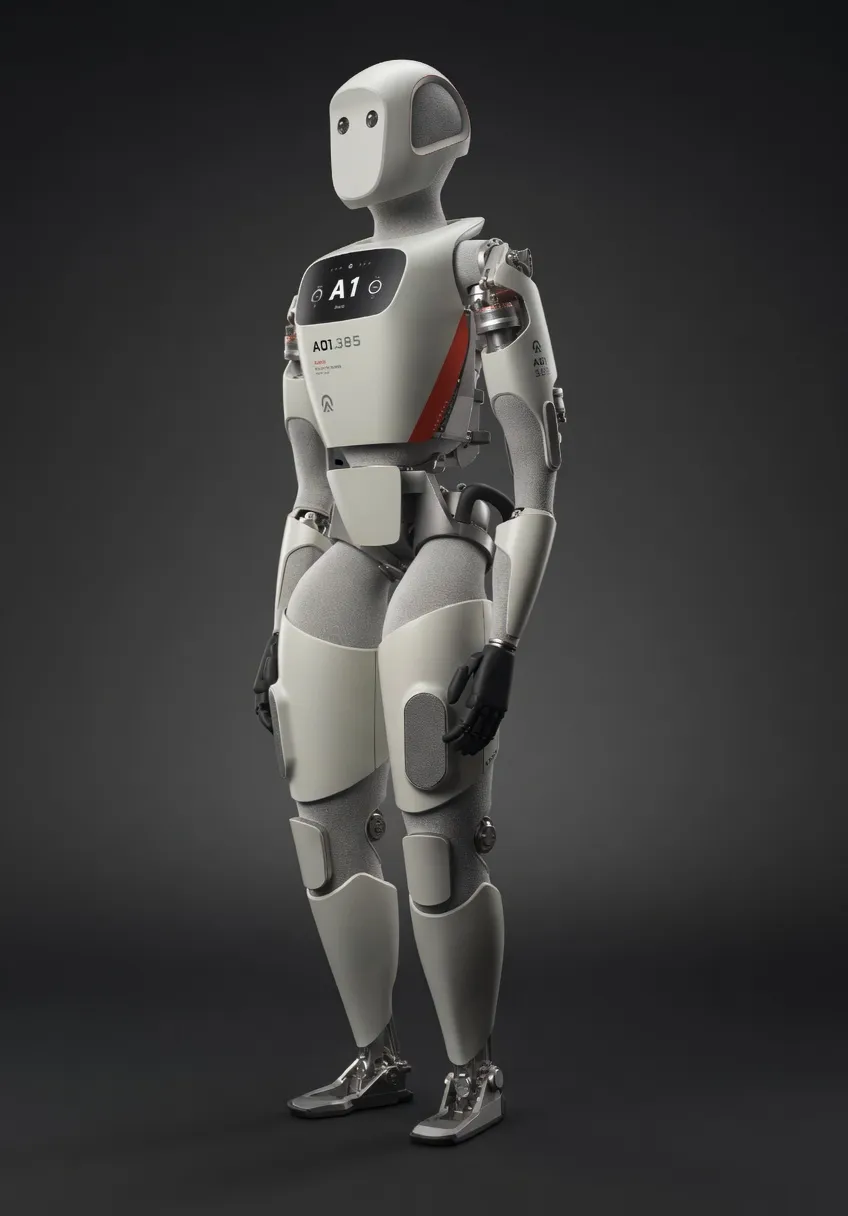
When evaluating the Figure 02, practitioners typically compare it against other high-end humanoid platforms.
For organizations requiring the best AI chip for local deployment within a humanoid form factor, Figure 02 offers a more integrated and "ready-to-work" solution than lower-cost alternatives, provided the budget allows for enterprise-level investment.
The top models this device can run at 4-bit, ranked by fit and speed.
Specs not available for scoring. This product is missing VRAM or memory bandwidth data.
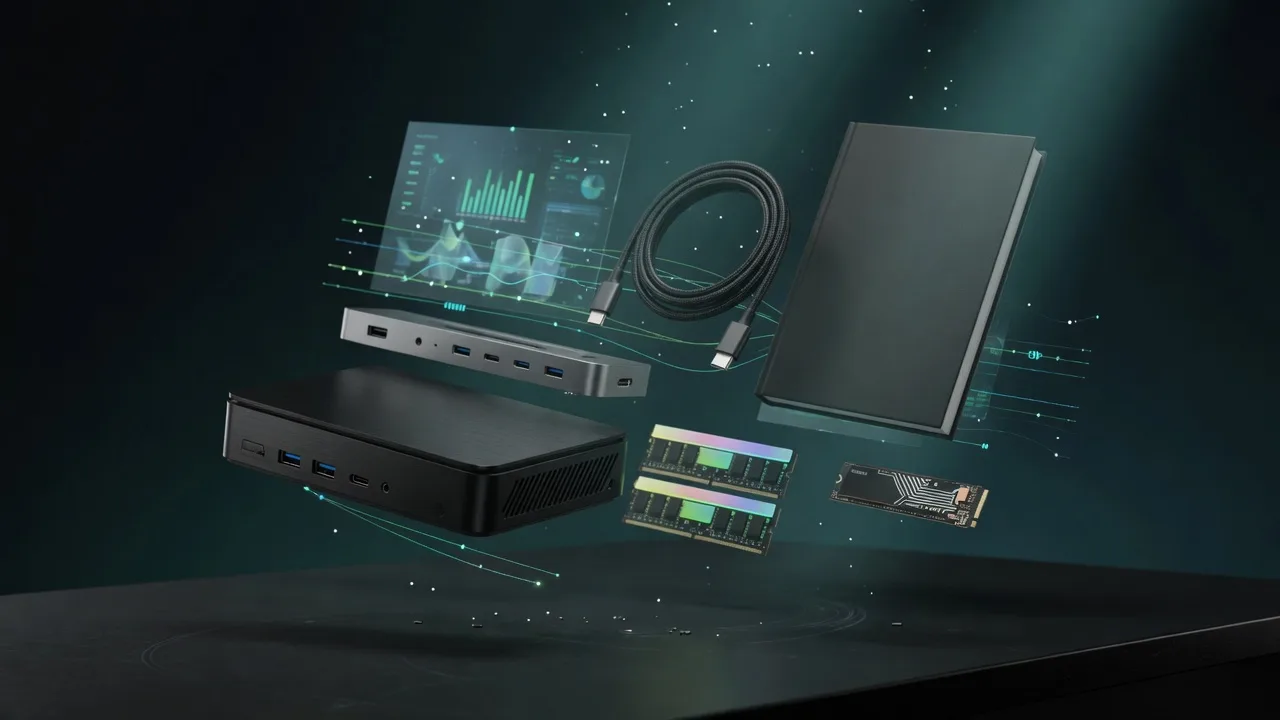
Also in Our Store
Docks, fast storage, cables, and a UPS sized for a local AI machine.
Rent this class of GPU by the hour before you buy. Live prices from RunPod and Vast.ai.
Find the break-even between buying this hardware and paying for a cloud API.
Mac vs NVIDIA for local inference, if you are still choosing a platform.