- Services
Advertising disclosure: we earn commissions when you shop through the links below.
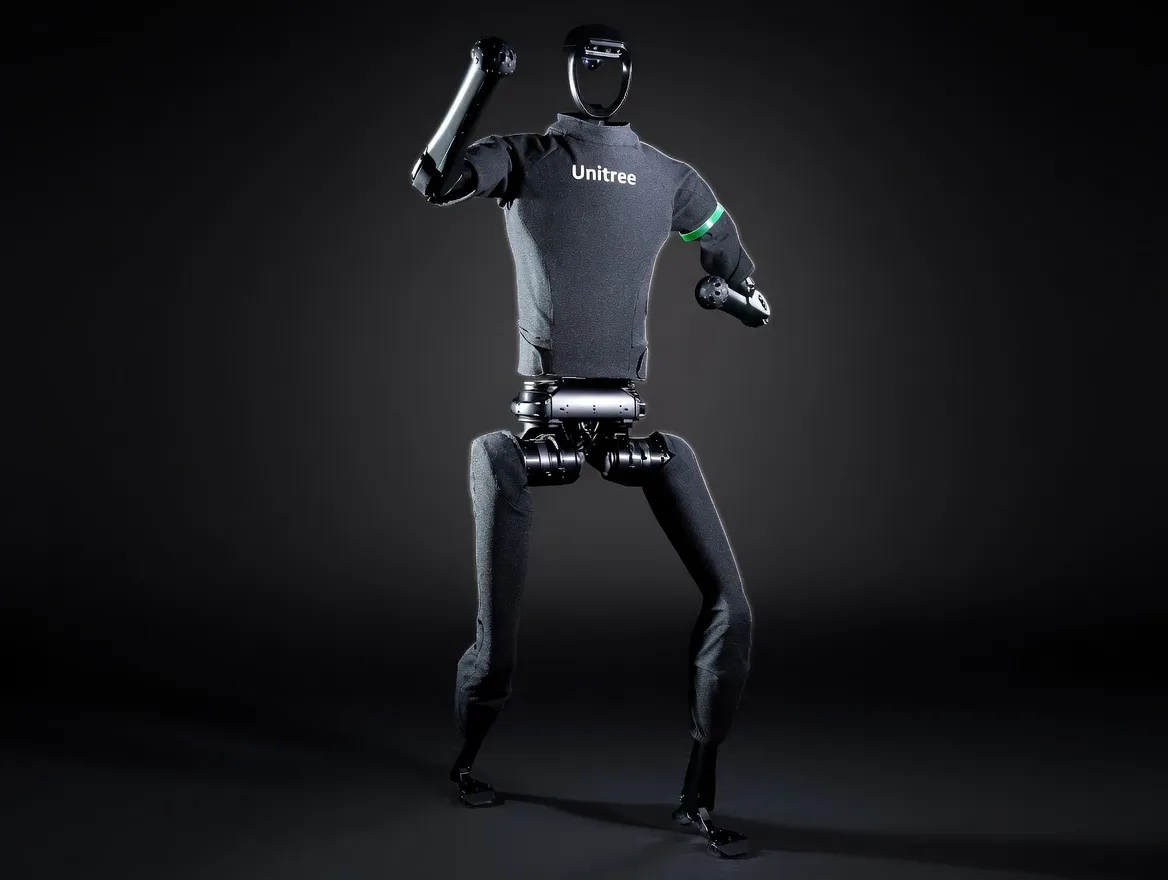
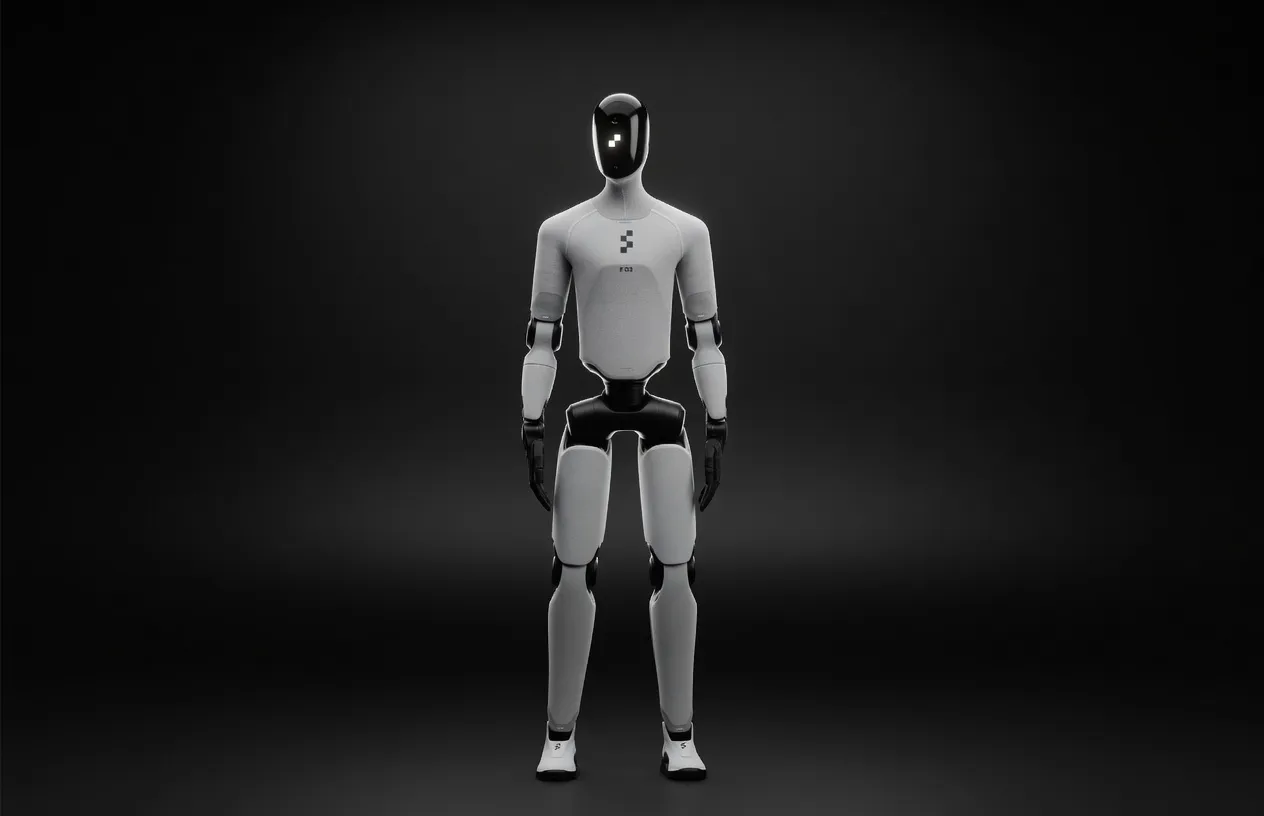
Unitree's upgraded full-size universal humanoid robot with enhanced 7-DOF arms for dexterous manipulation. Features 27 DOF total, 360 N·m knee torque, 120 N·m arm torque, 864 Wh swappable battery, and 360° LiDAR + depth camera sensing. ROS2 compatible.
The Unitree H1-2 is a 178 cm, 70 kg full-size humanoid robot built for researchers and engineers who need a bipedal platform that can carry compute and sensors instead of putting them on a cart. Unitree ships it with an Intel i5/i7 box inside the torso and gives you three bays for Jetson Orin NX modules, up to 3× 100 TOPS each, so you can co-locate perception, planning, and LLM inference on the robot instead of tethering to a workstation. That makes the H1-2 one of the few humanoids under six figures that can run a 70 B parameter model locally while walking around.
Unlike toy-size humanoids, the H1-2’s 360 N·m knee joints and 120 N·m shoulder actuators let it haul a 7 kg continuous payload (21 kg peak), enough for a UPS, extra batteries, or a second GPU module. The 864 Wh swappable battery keeps the robot alive for ~2 h, so you get a full working window before the next hot-swap. If your use case is “put an AI agent inside a body that can open doors, carry tools, and answer questions,” this is the cheapest way to do it without writing a DARPA grant.
Drop a 70 B model on the robot, give it a semantic map of the building, and you have a walking conversational guide that remembers prior interactions, no cloud calls, no GDPR headaches.
Oil rigs and telecom towers have poor LTE. Run a vision-language fault detector (Qwen-VL-Chat 9B) locally; the robot climbs stairs, snaps photos, annotates defects, and logs JSON over Wi-Fi 6 when back in range.
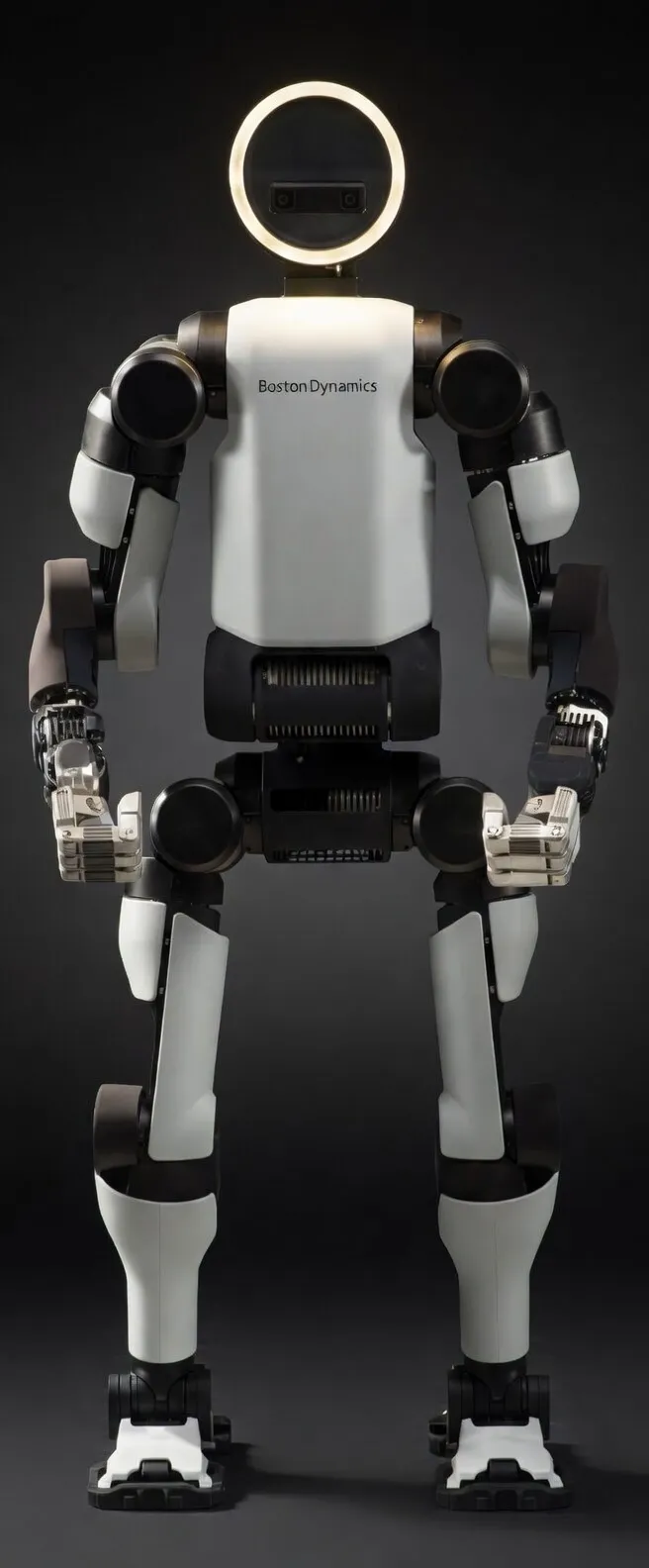
At ~$112 k the H1-2 is still serious money, but it’s 4× cheaper than Boston Dynamics Stretch and 2× cheaper than 1X Neo beta. If you want a human-scale body for your open-source agent, this is the entry ticket.
Three Orin NX modules give you 300 TOPS in a 70 kg roaming package. Put one robot in each warehouse aisle; it serves quantized 33 B models to handheld scanners via Ethernet, no fixed rack required.
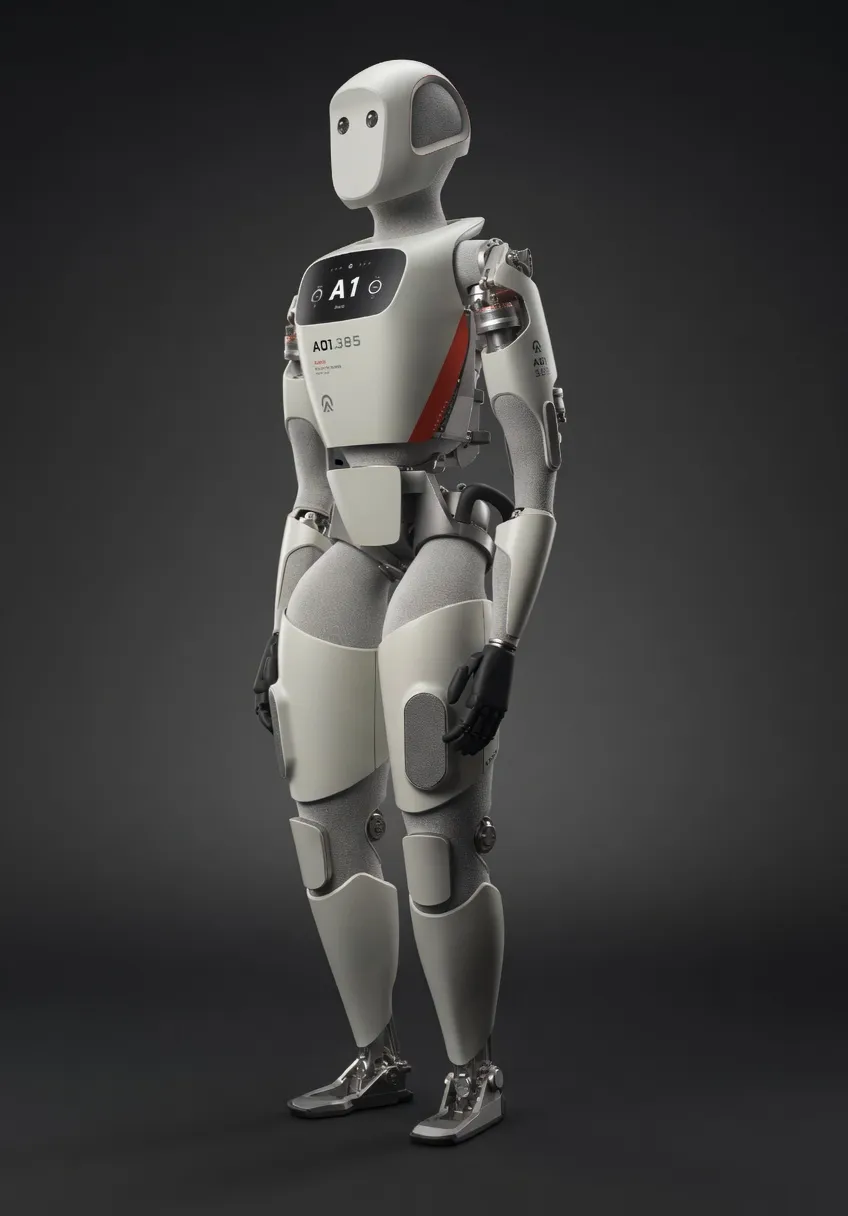
Pick the H1-2 when you need a self-contained, walking inference platform that can host 30–70 B parameter models without external GPUs or cloud APIs. Pick something lighter (G1) or stationary (Phoenix) if you don’t need the full 7 kg payload or 2-hour untethered runtime.
The top models this device can run at 4-bit, ranked by fit and speed.
Specs not available for scoring. This product is missing VRAM or memory bandwidth data.
Also in Our Store
Docks, fast storage, cables, and a UPS sized for a local AI machine.