- Services
Advertising disclosure: we earn commissions when you shop through the links below.
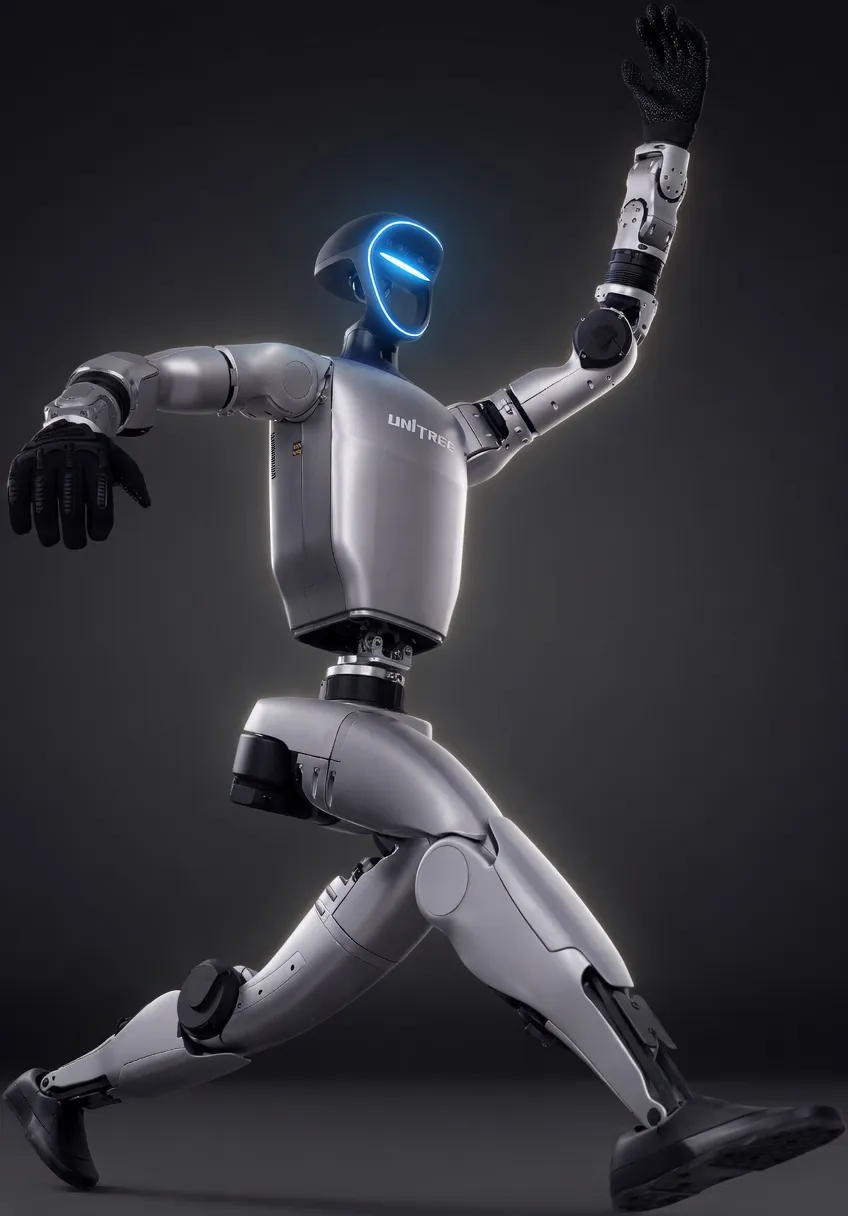
Compact, affordable humanoid robot (127cm, 35kg) available for purchase starting at $16,000. The most accessible bipedal robot on the market for researchers and developers.
Manufacturer's suggested retail price. Current prices can be higher or lower. This is not a live price.
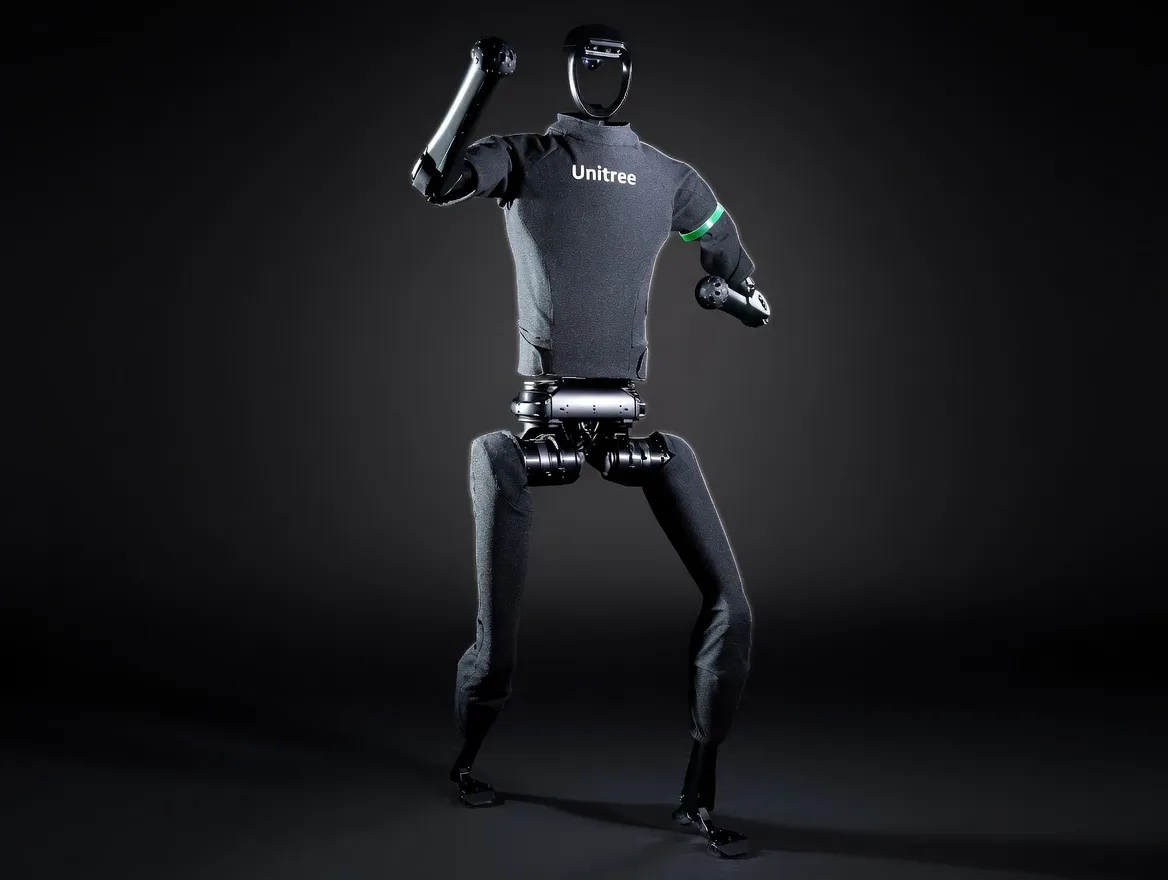
The Unitree G1 Humanoid Robot represents a significant shift in the robotics landscape, moving from high-cost experimental prototypes to accessible, deployable hardware. Developed by Unitree Robotics, the G1 is positioned as an entry-level humanoid platform for researchers, AI engineers, and developers building agentic workflows. Standing at 127cm and weighing 35kg, it is designed for agility and portability, making it one of the best humanoid robots for running AI models locally in a laboratory or indoor environment.
While competitors like the Boston Dynamics Atlas or the Tesla Optimus target industrial or long-term consumer scales, the Unitree G1 fills the "prosumer" and research gap. At an MSRP of $16,000, it is the most accessible bipedal robot on the market for Unitree Robotics humanoid robots for AI development. Its primary draw for the AI community is the integration of onboard NVIDIA compute, allowing for real-time inference and edge-based decision-making without a tethered workstation.
The core of the Unitree G1 Humanoid Robot AI inference performance lies in its onboard NVIDIA Jetson-based compute module. Delivering 40 TOPS of INT8 performance, the G1 is optimized for edge AI tasks rather than massive data center training. This level of compute is specifically tuned for computer vision, sensor fusion, and local model execution.
In the context of best hardware for local AI agents 2025, the G1’s 40 TOPS allows it to handle complex perception stacks, such as YOLOv8 for object detection or PointNet for spatial awareness, simultaneously with low-latency motor control. While it lacks the raw TFLOPS of a dedicated desktop RTX 4090, its power-to-performance ratio is optimized for the 2-hour battery life of a mobile platform.
When evaluating the Unitree G1 Humanoid Robot for AI, practitioners must distinguish between its motor control logic and its high-level cognitive capabilities. The internal Jetson module is designed for "Edge AI," meaning it excels at running quantized models.
For developers looking to run a Unitree G1 Humanoid Robot local LLM, the 40 TOPS compute module is best suited for Small Language Models (SLMs).
Because the G1 utilizes a Jetson-based architecture, it uses unified memory. This means the VRAM is shared with the system. While it cannot natively run 70B parameter models at functional speeds (which typically require 40GB+ of VRAM), it is an ideal candidate for "Agentic Offloading." In this setup, the G1 handles real-time perception (Vision/Audio) locally, while complex reasoning is offloaded to a local inference server running a Llama 3.1 70B or DeepSeek-R1 via a high-speed Wi-Fi 6 connection.
The Unitree G1 is not a toy; it is a development platform for those building the next generation of AI agents.
The Unitree G1 exists in a rapidly evolving niche. Its primary competition comes from both smaller quadruped robots and significantly more expensive humanoid platforms.
The Go2 is more stable and faster (~5 m/s), but it lacks the manipulation capabilities of a humanoid. If your AI workload requires interacting with a world built for humans (opening doors, picking up tools), the G1 is the superior choice despite the higher price point and lower walking speed.
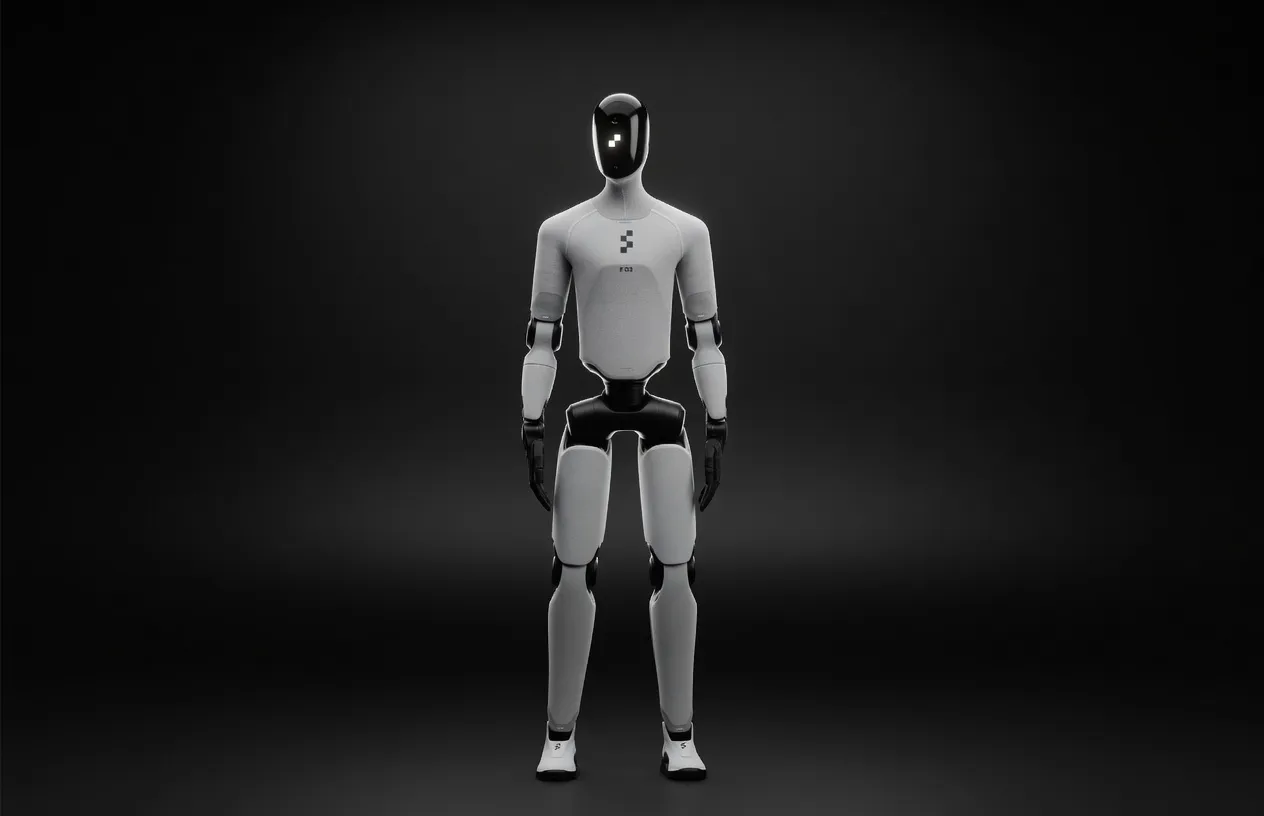
Platforms like Figure 02 are targeted at enterprise-level manufacturing and cost significantly more (often exceeding $100k+ in R&D leasing). The Unitree G1 is the "budget-friendly" alternative that allows a single developer or a small university lab to own the hardware outright. While it has less raw compute than the multi-GPU setups found in top-tier humanoids, its 40 TOPS is sufficient for the majority of current bipedal research.
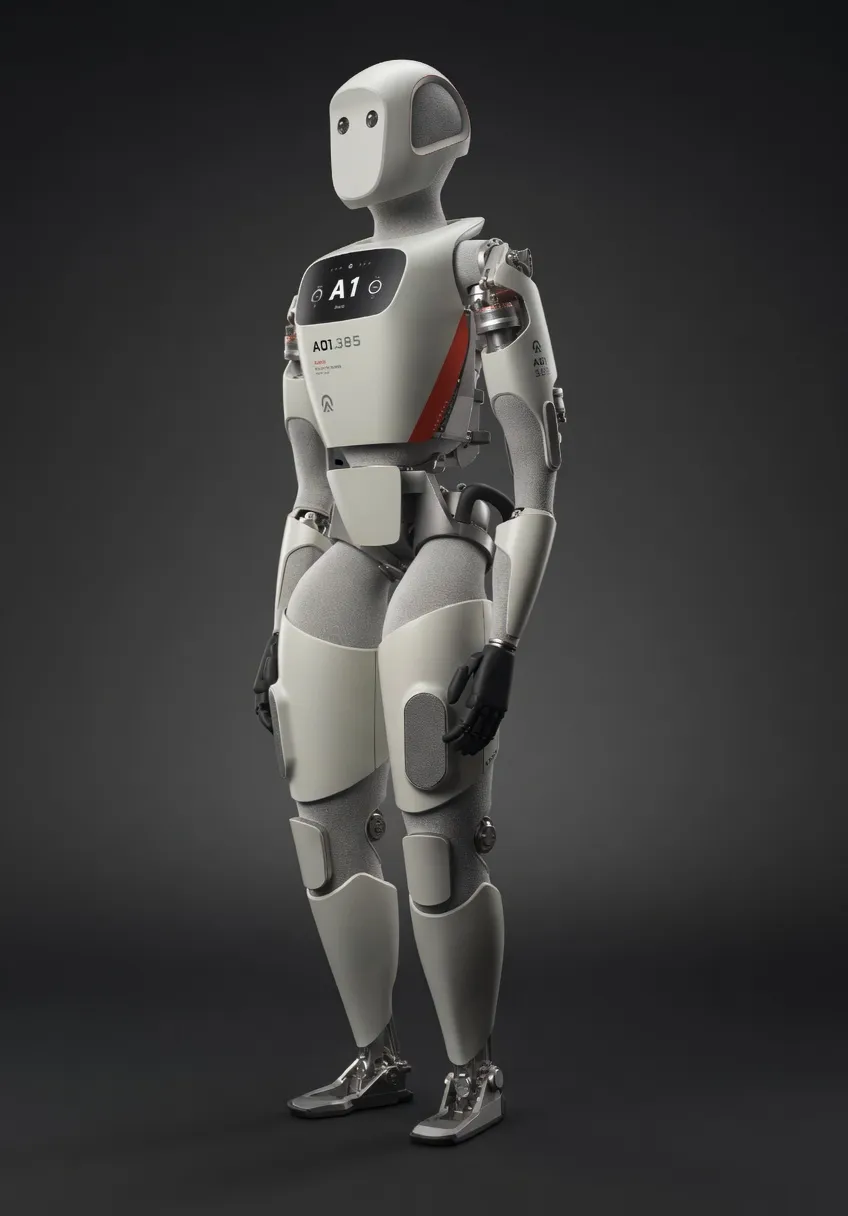
The Agibot A1 is a close competitor in the Chinese market. However, Unitree currently leads in global availability and SDK documentation. For practitioners in 2025, the Unitree G1 remains the most documented and "shippable" bipedal platform for local AI development.
For engineers seeking the best AI chip for local deployment within a mobile chassis, the G1’s integration of NVIDIA’s ecosystem ensures compatibility with TensorRT and other acceleration libraries, making it a robust choice for moving AI from the screen into the physical world.
The top models this device can run at 4-bit, ranked by fit and speed.
Specs not available for scoring. This product is missing VRAM or memory bandwidth data.
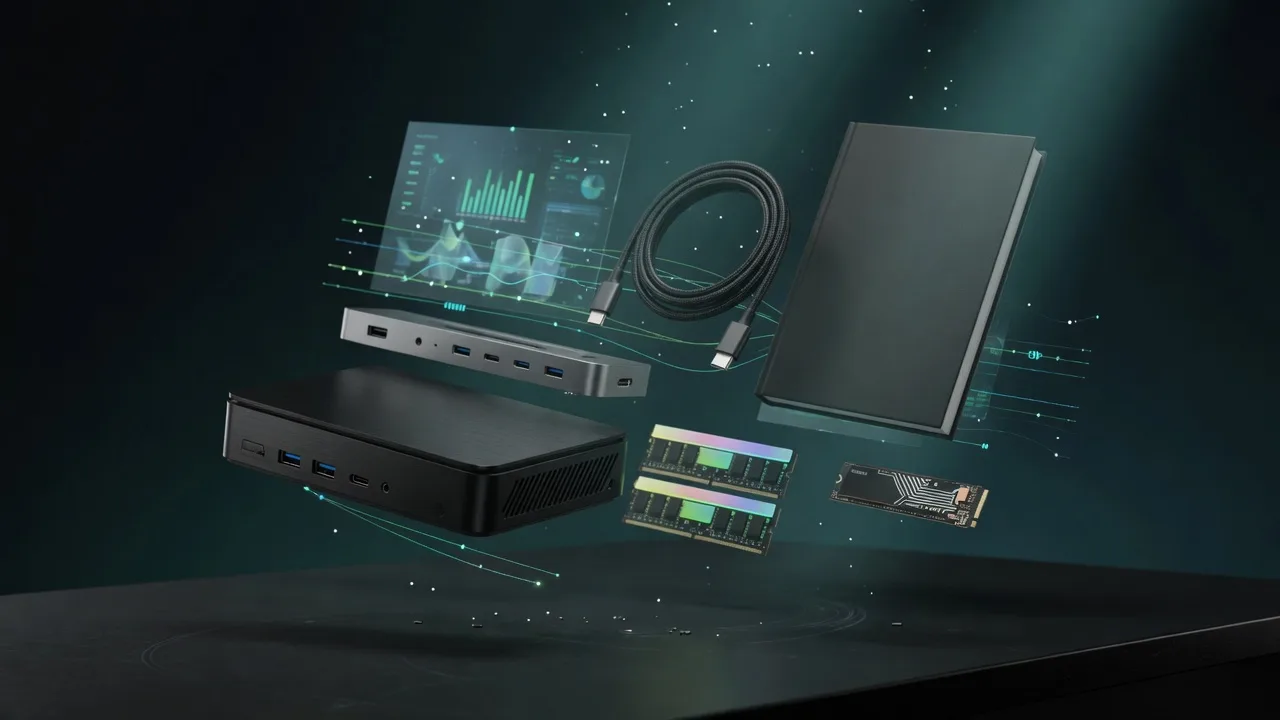
Also in Our Store
Docks, fast storage, cables, and a UPS sized for a local AI machine.
Rent this class of GPU by the hour before you buy. Live prices from RunPod and Vast.ai.
Find the break-even between buying this hardware and paying for a cloud API.
Mac vs NVIDIA for local inference, if you are still choosing a platform.