- Services
Estimate the real per-task and monthly cost of running an AI agent on your workflow. Mix text, image, video, audio, and embedding steps, then compare LangGraph, CrewAI, Mastra, and the OpenAI Agents SDK side by side with live prices and framework overhead baked in.
Running Deep Agents instead of Cursor SDK saves about $5059 per year at your current volume.
Per Task
$0.00840
Per Month
$25.20
Per Year
$307
Deep AgentsCheapest stack | $0.00840 | |
| $0.00840 | ||
| $0.0109 | ||
| $0.0193 | ||
| $0.0202 | ||
| $0.0210 | ||
| $0.0210 | ||
| $0.0215 | ||
| $0.0218 | ||
| $0.0235 |
A plain tokens-times-price calculator misses the three things that actually blow up an agent bill: retries, multi-step coordination, and framework overhead. This tool models all three with live model prices and citable framework data, and it handles non-text steps too: image, video, audio, and embedding models priced per unit.
A single agent task rarely looks like one input prompt and one output. A multi-agent workflow with a planner and two specialists already costs 3 to 6 LLM calls. A reflection loop that runs up to 5 iterations costs 5x more in the worst case. And different orchestration frameworks issue different amounts of system-prompt scaffolding per call, which can shift total spend by 30 to 60 percent on the same logical workflow.
This calculator models workflow shape (linear, multi-agent, loop), retries, and framework overhead, then quotes per-task, per-month, and per-year cost for LangGraph, CrewAI, Mastra, and the OpenAI Agents SDK on the same workload. Token prices come from the live reference-models catalog.

Spend Looks High?
If your agent stack burns thousands a month on API calls, compare the total cost of buying a GPU, renting one in the cloud, and paying per token.
Open the Decision Tool
Find out which open models your GPU or Apple Silicon machine can run, at what speed, and at what quality grade, all in the browser.
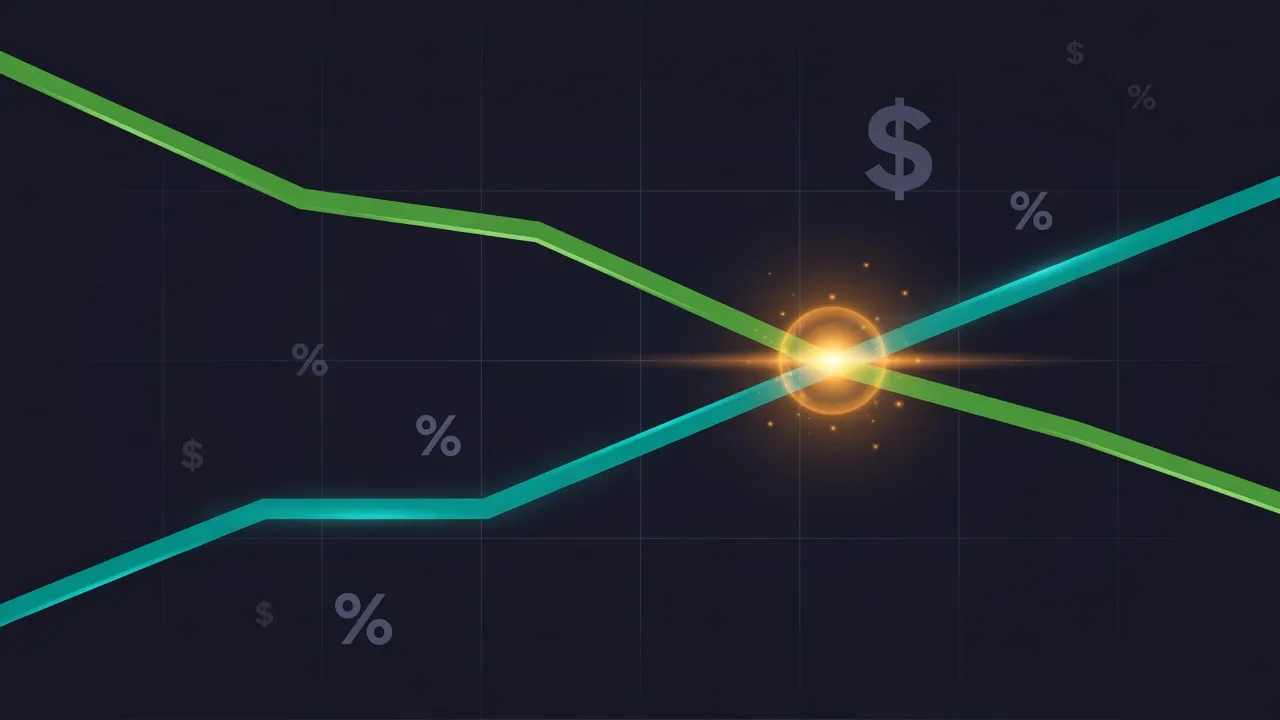
Compare buying a GPU against paying for cloud APIs at your usage volume. See the break-even month and long-term savings on a single chart.
Straight answers to the questions we hear most often.
Can't find what you're looking for? Book a Discovery Call
CrewAI defaults to role-based prompting with extra system messages per agent, plus a coordinator step that doesn’t exist in LangGraph’s graph model. Public reports put the overhead in the 1.4–1.6x range on the same logical workflow, depending on how many agents are in the crew and how much memory you pass between turns. The CMS overhead value is editable and cites a source, so the delta you see updates if benchmarks move.
Pick “Loop” as the workflow shape and set max iterations. The calculator multiplies total task cost by max iterations times the framework’s loopOverheadMultiplier (1.0 for frameworks with no extra per-iteration scaffolding). The cost shown is worst case. If your loop converges in 2 iterations on average, halve the result mentally.
Token prices are pulled live from the reference-models collection, which is synced daily from OpenRouter for covered models. Models with apiPricing.openRouterModelId set get hourly-fresh prices; manually entered prices update only when an admin edits them.
Yes. Pick an image, video, audio, or embedding model on any step and the calculator switches that step to per-unit pricing: per image, per second of video or audio, or per million embeddings. The per-unit price is pre-filled from the reference-models catalog but you can override it inline. Framework overhead still applies to the number of calls, but the token overhead multiplier does not touch a flat per-unit price.
Yes. The Embed button on the page generates an iframe snippet plus a small script that auto-resizes the iframe height. Same pattern as the hardware calculator and ROI calculator on this site.