- Services
Advertising disclosure: we earn commissions when you shop through the links below.
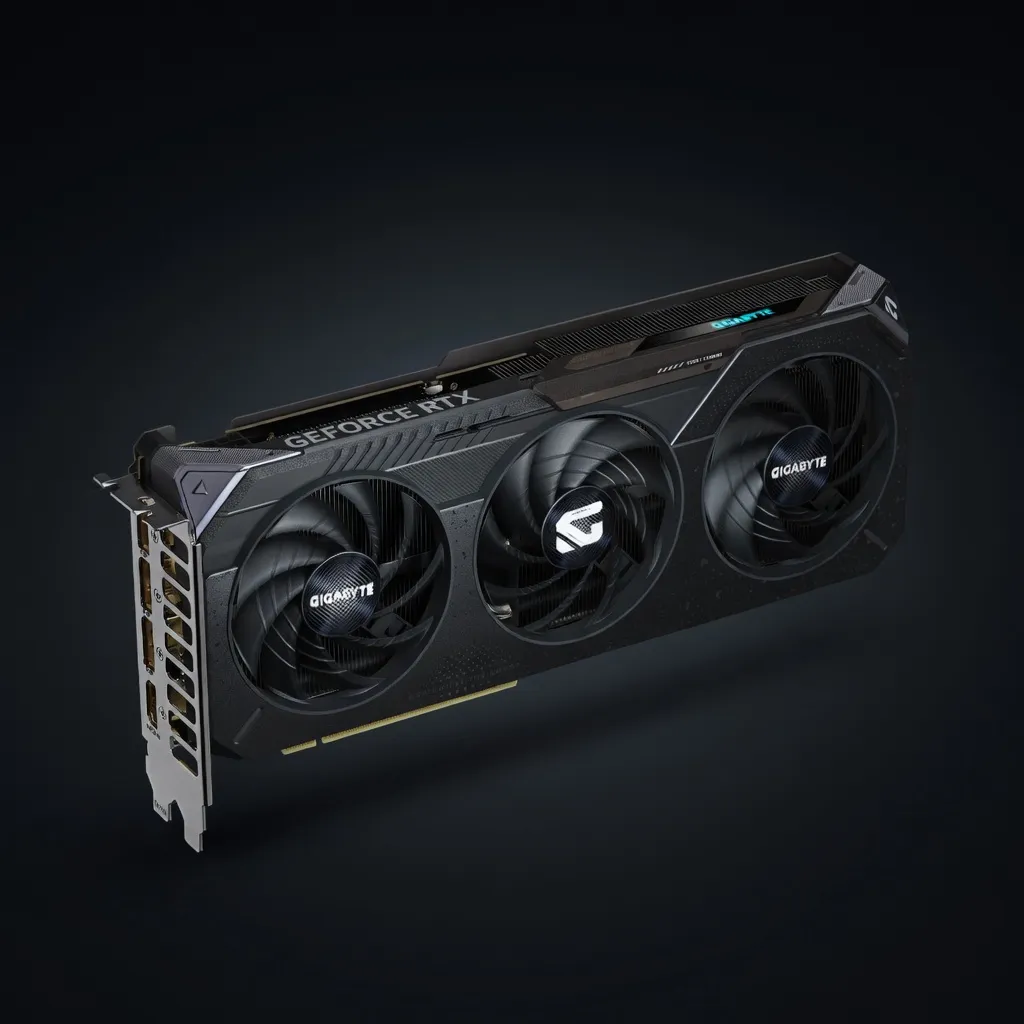
Mainstream Blackwell GPU with 16GB GDDR7 on a 128-bit bus and 4,608 CUDA cores. A strong upgrade path for 60-class GPU owners with surprisingly generous VRAM at this price.
Manufacturer's suggested retail price. Current prices can be higher or lower. This is not a live price.
Good balance for indie developers running local copilots and chat. 30B+ models are reachable but only with aggressive quantization and short context.
Generated from this product’s spec sheet. Editor reviews refine it over time.
GPU Rental Price Index
From $0.13 per GPU-hour, NVIDIA GeForce RTX 5060 Ti on Vast.ai.
The NVIDIA GeForce RTX 5060 Ti 16GB represents a strategic entry point for practitioners requiring high VRAM capacity on a constrained budget. Built on the Blackwell (GB206) architecture and manufactured on the TSMC 4N process, this card is positioned as the "utility player" for local AI development. While it sits in the mainstream consumer tier, the inclusion of 16GB of GDDR7 memory makes it a significant contender for AI engineers who prioritize model fit over raw compute throughput.
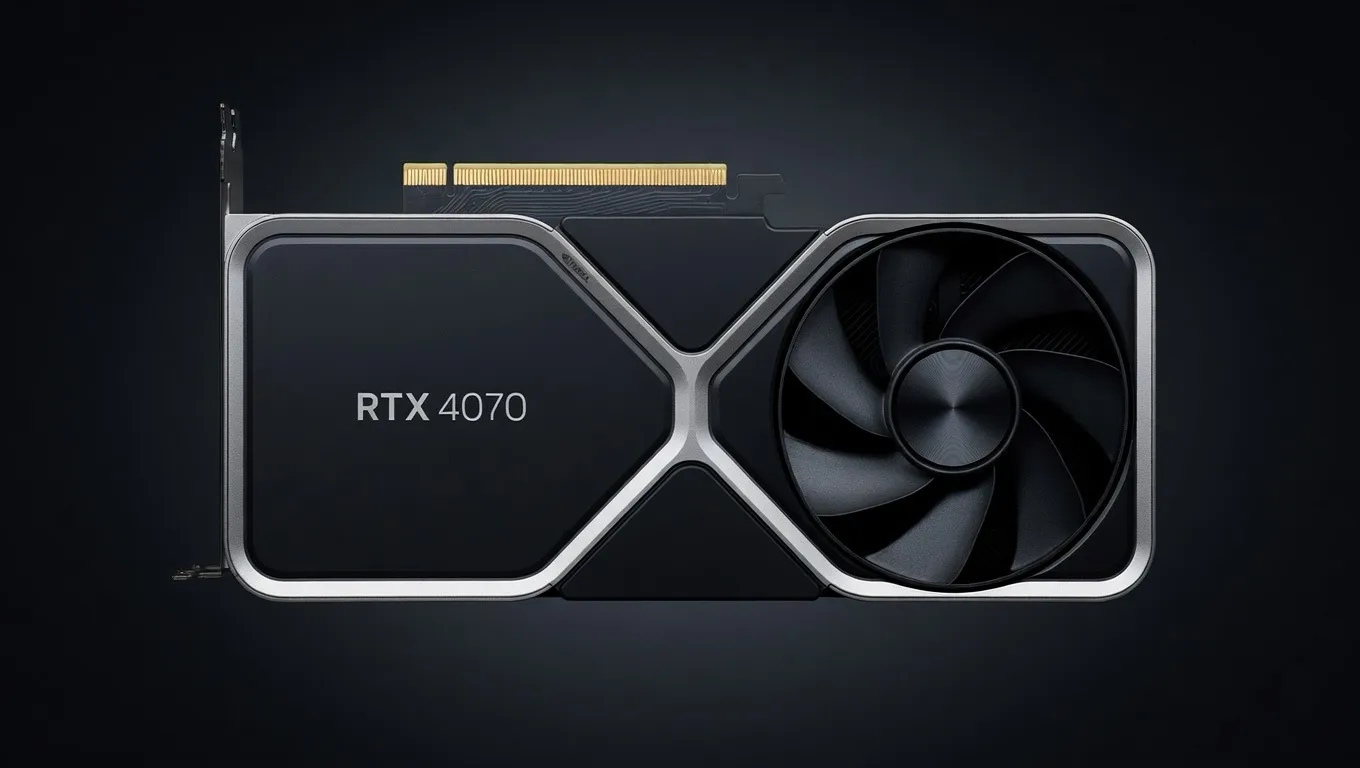
For those evaluating the best hardware for local AI agents in 2025, the 5060 Ti 16GB solves the "VRAM wall" often encountered with 8GB or 12GB cards. It competes directly with mid-range offerings like the RTX 4070 Super (which offers higher bandwidth but less VRAM) and AMD’s Radeon RX 7800 XT. However, for AI workloads, the NVIDIA ecosystem remains the standard due to mature CUDA support, making this one of the most accessible NVIDIA GPUs for AI development currently on the market.
The defining characteristic of the RTX 5060 Ti 16GB is the transition to GDDR7 memory. While the 128-bit memory bus is narrow, the increased clock speeds of GDDR7 push the total memory bandwidth to 448 GB/s. This is a critical metric for NVIDIA GeForce RTX 5060 Ti 16GB AI inference performance, as LLM token generation is almost entirely memory-bandwidth bound.
In terms of 16GB GPU for AI comparisons, the 5060 Ti 16GB offers a significant efficiency advantage. With a TDP of only 180W, it can be integrated into workstations with modest 550W power supplies, making it ideal for multi-GPU setups where power density and heat management are concerns. While it lacks the massive compute headers of the 5090, its 4,608 CUDA cores are more than sufficient for real-time inference of quantized models and computer vision tasks like object detection (YOLOv10/v11) or image segmentation.
The NVIDIA GeForce RTX 5060 Ti 16GB VRAM for large language models provides enough headroom to move beyond basic 3B parameter models into the more capable 7B to 14B range.
The "sweet spot" for this hardware is running 7B parameter models at high precision or 14B parameter models with 4-bit or 5-bit quantization (GGUF/EXL2).
This card is Best for Computer Vision in its price class. You can easily run:
The NVIDIA GeForce RTX 5060 Ti 16GB for AI is targeted at three specific personas:
If you are building local AI agentsyou often need to run an LLM alongside a vector database and perhaps a smaller embedding model. The 16GB VRAM allows you to partition memory effectively, allocating 8GB to a model like Llama 3.1 8B (Q4) and leaving 8GB for the system, context, and auxiliary models.
For researchers working on video analytics, the 16GB buffer is essential. It allows for larger batch sizes during inference, which is critical when processing multiple RTSP streams simultaneously in an edge computing environment.
At an MSRP of $429, this is the most cost-effective way to get 16GB of modern NVIDIA VRAM. It serves as an excellent "development " card where code is written and tested locally before being pushed to H100/A100 clusters for large-scale training.
When choosing the best nvidia gpus for running AI models locally, practitioners often look at the RTX 5060 Ti 16GB versus its predecessor or higher-tier siblings.
The primary upgrade here is the architecture and memory type. The move from GDDR6 to GDDR7 on the 5060 Ti provides a much-needed bandwidth bump. While the 4060 Ti was often criticized for its narrow bus, the 5060 Ti's increased memory speed helps mitigate bottlenecks during the "pre-fill" phase of LLM inference, resulting in faster time-to-first-token (TTFT).
The RTX 5070 offers significantly more CUDA cores and higher raw compute power, but at a higher price point. If your workload is primarily inference-heavy (running models) rather than training-heavy (fine-tuning), the 5060 Ti 16GB offers better "VRAM per dollar." For many agentic workflows, the extra VRAM capacity is more valuable than the extra TFLOPS of the 5070.
While the AMD Radeon RX 7800 XT offers 16GB of VRAM at a similar price, the NVIDIA GeForce RTX 5060 Ti 16GB remains the superior choice for practitioners due to the CUDA bottleneck. Most agent frameworks (AutoGPT, CrewAI) and inference engines (vLLM, TensorRT-LLM) are optimized first for NVIDIA. Choosing the 5060 Ti ensures "out-of-the-box" compatibility with the latest research repositories on GitHub without the need for complex ROCm troubleshooting.
For engineers seeking a budget-friendly yet capable AI chip for local deployment, the RTX 5060 Ti 16GB is the current market leader in the sub-$500 category. It balances power efficiency, modern GDDR7 speeds, and the critical 16GB VRAM threshold required for modern 2025 AI workloads.
The top models this device can run at 4-bit, ranked by fit and speed.
| Model | Grade | Speed | VRAM |
|---|---|---|---|
| AliceAI-Foundation-80B-A3B-Baseyandex | SS | 42.3 tok/s | 8.5 GB |
| North Mini CodeCohere | SS | 43.0 tok/s | 8.4 GB |
| Nemotron 3 Nano OmniNVIDIA | SS | 42.3 tok/s | 8.5 GB |
| Qwen3.6 35B-A3BAlibaba | SS | 42.3 tok/s | 8.5 GB |
| Qwen3.5-35B-A3BAlibaba | SS | 42.3 tok/s | 8.5 GB |
Also in Our Store
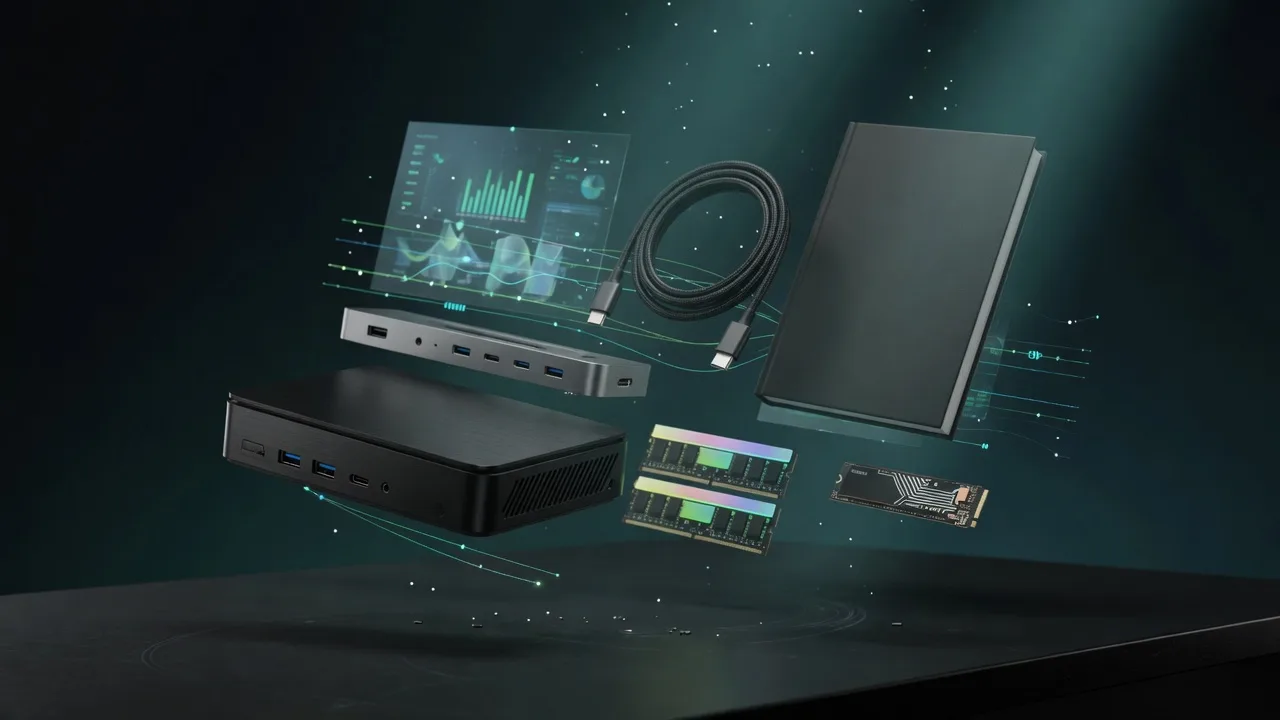
Docks, fast storage, cables, and a UPS sized for a local AI machine.

Rent this class of GPU by the hour before you buy. Live prices from RunPod and Vast.ai.
Find the break-even between buying this hardware and paying for a cloud API.
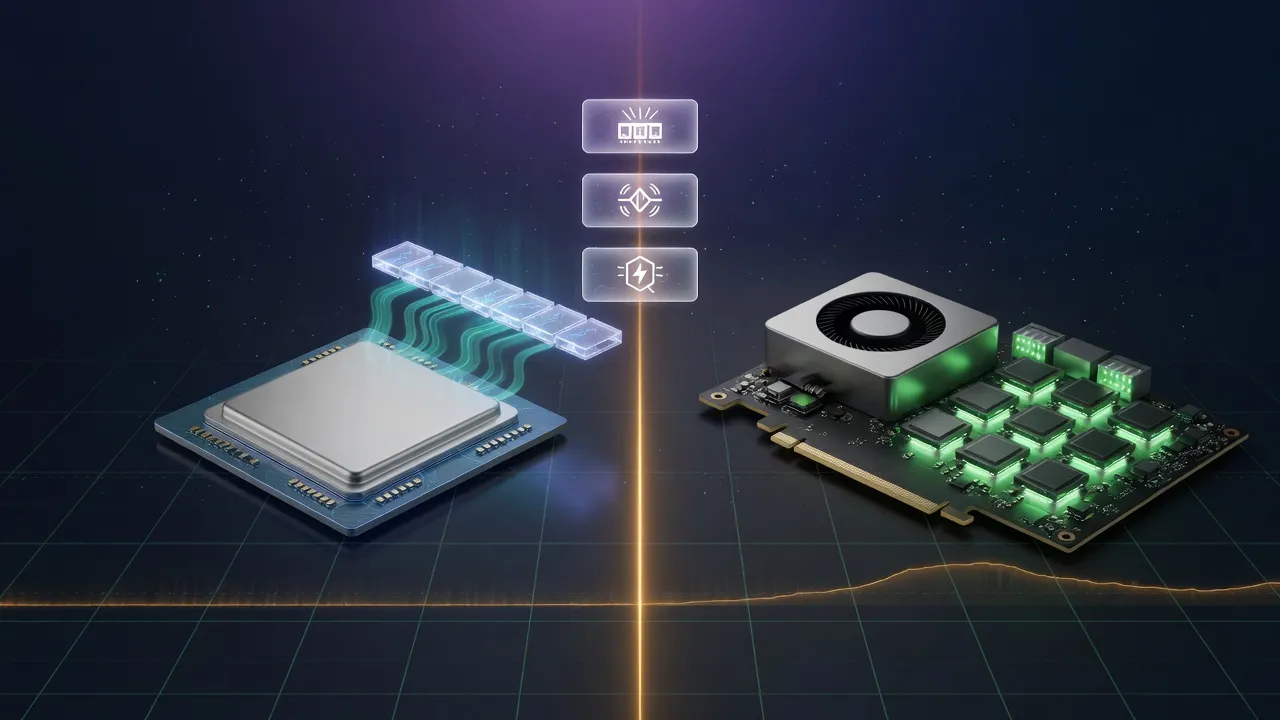
Mac vs NVIDIA for local inference, if you are still choosing a platform.