- Services
Advertising disclosure: we earn commissions when you shop through the links below.
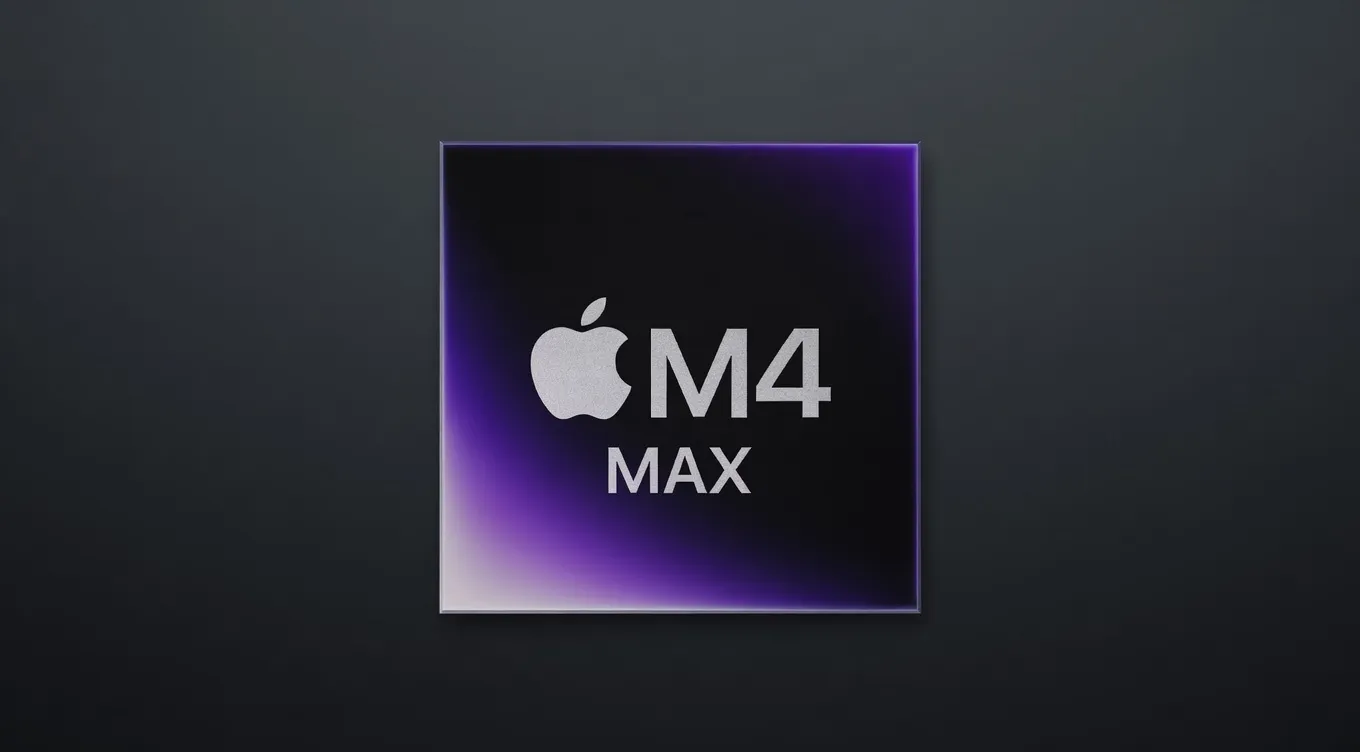
Apple's top-tier M4-family chip with 16-core CPU, 40-core GPU, up to 128GB unified memory, and 546 GB/s bandwidth. Excels at on-device LLM inference with massive unified memory.
Sized for production serving of 70B–200B class models at full or lightly-quantized precision. Overkill for a homelab; right call when the workload pays for itself in token volume.
Generated from this product’s spec sheet. Editor reviews refine it over time.
The Apple M4 Max (40-core GPU) represents the current ceiling for mobile AI compute, positioning itself as the premier choice for engineers who require a portable workstation capable of heavy local inference. Built on TSMC’s second-generation 3nm process, this SoC (System on a Chip) integrates a 16-core CPU and a massive 40-core GPU into a single package. For AI practitioners, the M4 Max is less about raw TFLOPS and more about the architectural advantages of high-bandwidth unified memory.
In the 2025 landscape of hardware for local AI agents, the M4 Max sits in a unique "prosumer" tier. While it cannot compete with dedicated H100 clusters for large-scale training, it effectively outclasses almost every consumer-grade discrete GPU when it comes to VRAM capacity. Because the GPU and CPU share the same pool of up to 128GB of LPDDR5X memory, the M4 Max can load models that would require dual or triple NVIDIA RTX 4090 setups on a desktop. This makes it the best Apple Silicon for running AI models locally for those who need to balance mobility with the ability to run high-parameter counts.
The Apple M4 Max (40-core GPU) AI inference performance is driven by three key pillars: memory bandwidth, unified memory capacity, and the upgraded Neural Engine.
The headline feature for AI workloads is the 128GB GPU for AI capability. Unlike traditional PC architectures where the GPU is limited by its dedicated VRAM (typically 16GB to 24GB on consumer cards), the M4 Max allows the GPU to access nearly the entire 128GB pool. This is critical for Apple M4 Max (40-core GPU) VRAM for large language models, as it enables the execution of models that simply will not fit on a single discrete consumer card.
For LLM inference, the bottleneck is almost always memory bandwidth rather than compute cycles. The M4 Max features a massive 546 GB/s memory bandwidth. While this is lower than the 800 GB/s found in the M2/M3 Ultra chips, it is significantly higher than the M4 Pro and roughly double that of high-end Windows laptops. This bandwidth ensures that token generation remains fluid even when running dense models.
The M4 Max (40-core GPU) is specifically designed for hardware for running ~200B parameter LLMs with unified memory. By utilizing 4-bit or 5-bit quantization (GGUF or EXL2 formats), users can run state-of-the-art models that were previously restricted to data centers.
The 128GB memory ceiling is a game-changer for long-context tasks. You can run a 32k or 128k context window on a Llama 3 70B model without running out of memory, which is essential for analyzing long documents or large codebases.
The M4 Max is the best AI chip for local deployment if your workflow requires independence from cloud APIs without being tethered to a desktop.
For those building agentic workflows, the M4 Max allows for running a local "orchestrator" model (like Llama 3) alongside multiple specialized worker models and a vector database, all on the same machine. This is the ideal setup for Apple Silicon for AI development, providing a low-latency environment for debugging RAG pipelines.
Researchers can use the M4 Max for fine-tuning smaller models (up to 7B or 13B parameters) using LoRA or QLoRA. While it isn't a replacement for an A100 for full pre-training, the 128GB of unified memory is invaluable for experimenting with large-batch inference or complex evaluation scripts.
For organizations with strict data privacy requirements, the M4 Max provides enough compute to run a private, local instance of a high-reasoning model (like DeepSeek-R1) for an entire small team or department, acting as a high-performance local inference node.
When evaluating the Apple M4 Max (40-core GPU) vs [competitor], the comparison usually falls into two categories:
The RTX 4090 (24GB VRAM) will beat the M4 Max in raw processing speed for models that fit within its 24GB limit. However, the M4 Max wins decisively on model size. If you need to run a 70B model at high precision or an MoE model like Mixtral, the 4090 will OOM (Out of Memory), whereas the M4 Max will maintain performance.
The Ultra-series chips (found in the Mac Studio) offer higher memory bandwidth (800 GB/s) and up to 192GB of RAM. If your workload is purely stationary and you are running the largest possible models (like 405B parameter models), the Ultra remains superior. However, for most practitioners, the M4 Max offers a more modern CPU architecture (M4) and Thunderbolt 5 support, making it a better all-around tool for 2025.
The top models this device can run at 4-bit, ranked by fit and speed.
| Model | Grade | Speed | VRAM |
|---|---|---|---|
| AliceAI-Foundation-80B-A3B-Baseyandex | SS | 51.5 tok/s | 8.5 GB |
| Mixtral 8x7B InstructMistral AI | SS | 38.7 tok/s | 11.4 GB |
| DiffusionGemma 26B-A4BGoogle | SS | 41.9 tok/s | 10.5 GB |
| Gemma 4 26B-A4B ITGoogle | SS | 39.9 tok/s | 11.0 GB |
| North Mini CodeCohere | SS | 52.4 tok/s | 8.4 GB |
Among 6 similar devices, the Apple M4 Max (40-core GPU) ranks #3 for memory and #3 for memory bandwidth.
Also in Our Store
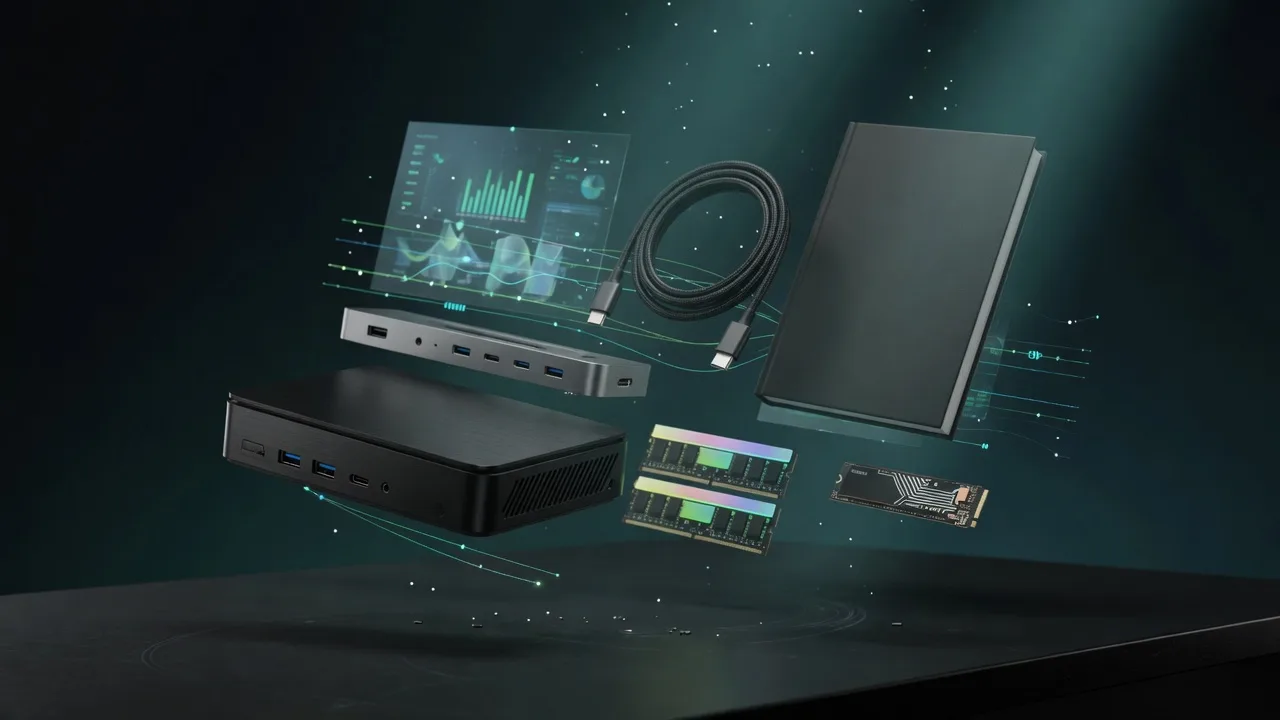
Docks, fast storage, cables, and a UPS sized for a local AI machine.

Rent this class of GPU by the hour before you buy. Live prices from RunPod and Vast.ai.
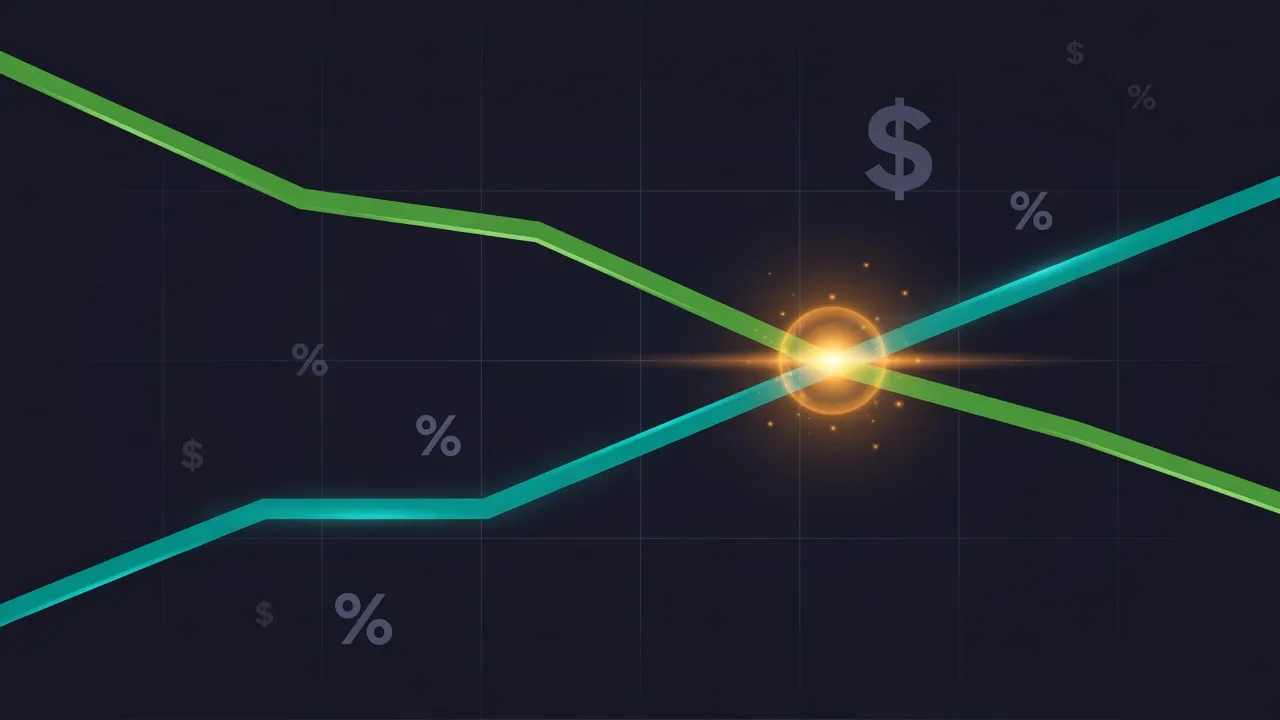
Find the break-even between buying this hardware and paying for a cloud API.
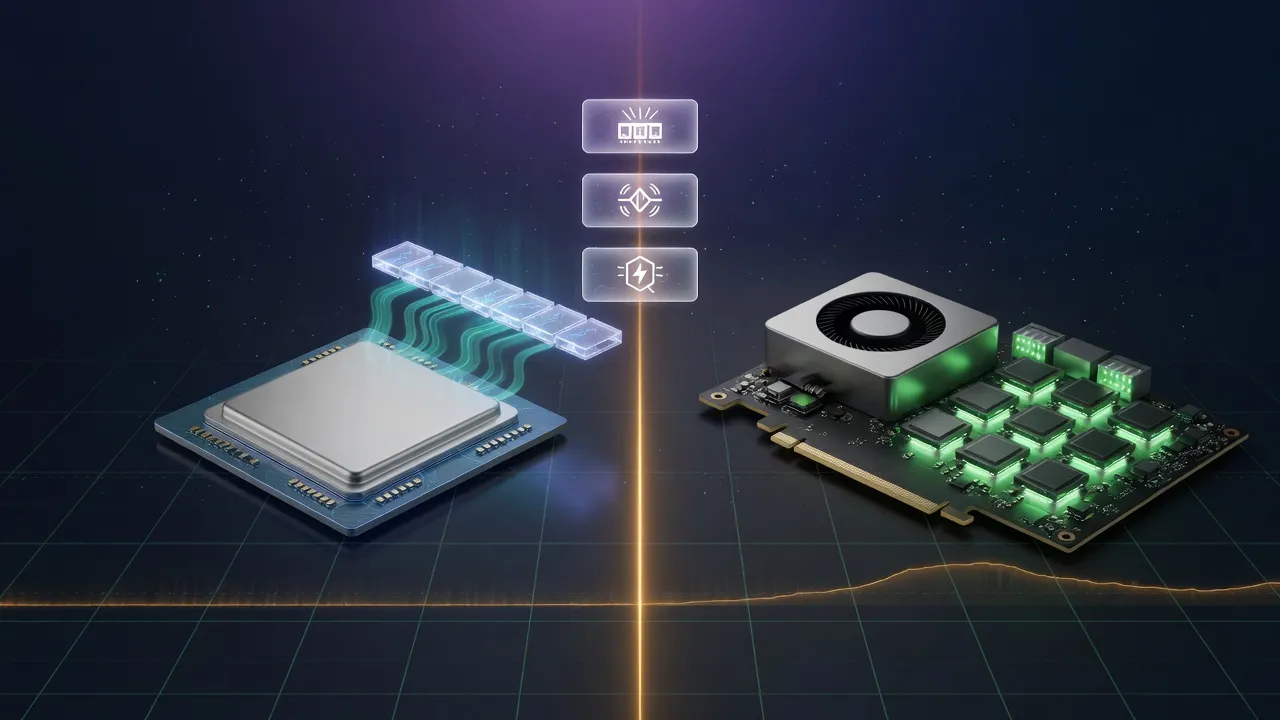
Mac vs NVIDIA for local inference, if you are still choosing a platform.