- Services
Advertising disclosure: we earn commissions when you shop through the links below.
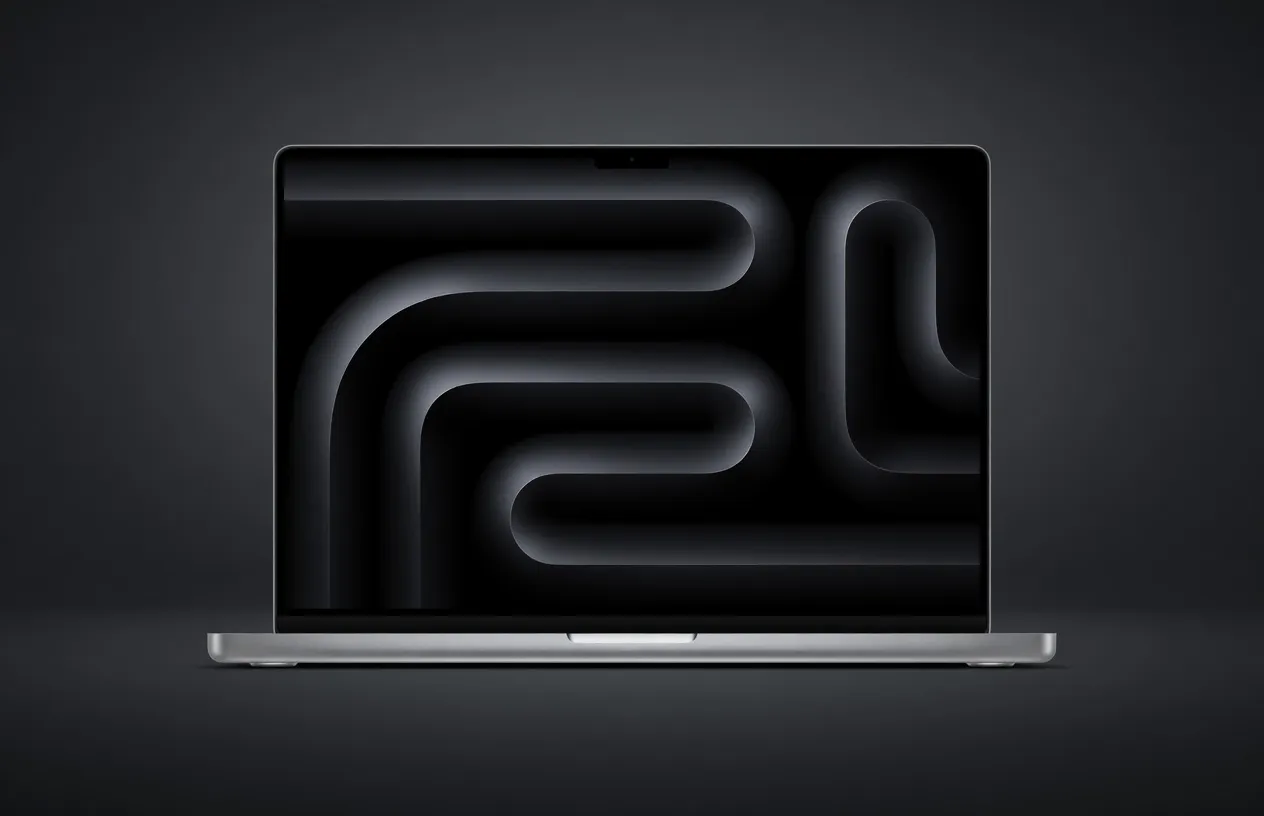
Apple's most powerful laptop with M5 Max chip, up to 128GB unified memory at 614 GB/s, 40-core GPU with Neural Accelerators. Delivers 4x AI compute vs M4 Max with 24-hour battery life.
Manufacturer's suggested retail price. Current prices can be higher or lower. This is not a live price.
Sized for production serving of 70B–200B class models at full or lightly-quantized precision. Overkill for a homelab; right call when the workload pays for itself in token volume.
Generated from this product’s spec sheet. Editor reviews refine it over time.
The MacBook Pro 16-inch M5 Max (2026) represents the apex of mobile silicon for AI practitioners. By leveraging a dual-die 3nm "Fusion" architecture, Apple has effectively bridged the gap between consumer hardware and entry-level enterprise compute. For engineers building agentic workflows or researchers requiring local inference, the M5 Max is less of a laptop and more of a portable 128GB VRAM workstation.
While traditional laptops struggle with the memory-intensive requirements of Large Language Models (LLMs), the M5 Max utilizes a Unified Memory Architecture (UMA) that allows the GPU to access the full 128GB of LPDDR5X memory. This makes it one of the few viable Apple AI PCs & laptops for AI development that can handle high-parameter models without offloading to the cloud. It competes directly with high-end Windows workstations equipped with NVIDIA RTX 5090 (Laptop) or dual-GPU desktop setups, offering a superior power-to-performance ratio for local deployment.
The defining metric for the MacBook Pro 16-inch M5 Max (2026) AI inference performance is its 614 GB/s memory bandwidth. In LLM inference, the bottleneck is almost always memory bandwidth rather than raw compute. At 614 GB/s, this machine can feed the 40-core GPU and its dedicated Neural Accelerators fast enough to maintain high tokens-per-second (t/s) even on dense models.
Compared to a dedicated workstation with an NVIDIA A6000, the M5 Max offers lower peak TFLOPS but superior portability and energy efficiency. For practitioners, the 24-hour battery life means you can run local inference on the go, a feat currently impossible for any other best AI chip for local deployment.
The primary advantage of the MacBook Pro 16-inch M5 Max (2026) VRAM for large language models is the ability to fit models that usually require multi-GPU server clusters. It is the premier hardware for running ~200B parameter LLMs.
For practitioners, the best quality-to-speed tradeoff on this hardware is typically found using Q6_K or Q8_0 quantizations for 70B-class models, providing near-FP16 logic with the speed of a local device.
The MacBook Pro 16-inch M5 Max (2026) is engineered for specific professional cohorts:
When evaluating the MacBook Pro 16-inch M5 Max (2026) for AI, it is important to look at the landscape of best ai pcs & laptops for running AI models locally.
The MacBook Pro 16-inch M5 Max (2026) is the definitive choice for the professional who needs to carry a data center's worth of inference capability in a backpack. For running local LLM workloads at scale without being tethered to a desk, it currently has no equal.
The top models this device can run at 4-bit, ranked by fit and speed.
| Model | Grade | Speed | VRAM |
|---|---|---|---|
| Mixtral 8x7B InstructMistral AI | SS | 43.5 tok/s | 11.4 GB |
| AliceAI-Foundation-80B-A3B-Baseyandex | SS | 57.9 tok/s | 8.5 GB |
| Gemma 4 26B-A4B ITGoogle | SS | 44.9 tok/s | 11.0 GB |
| Xing4.0-29B-A4BChina Telecom AI | SS | 44.1 tok/s | 11.2 GB |
| DiffusionGemma 26B-A4BGoogle | SS | 47.1 tok/s | 10.5 GB |
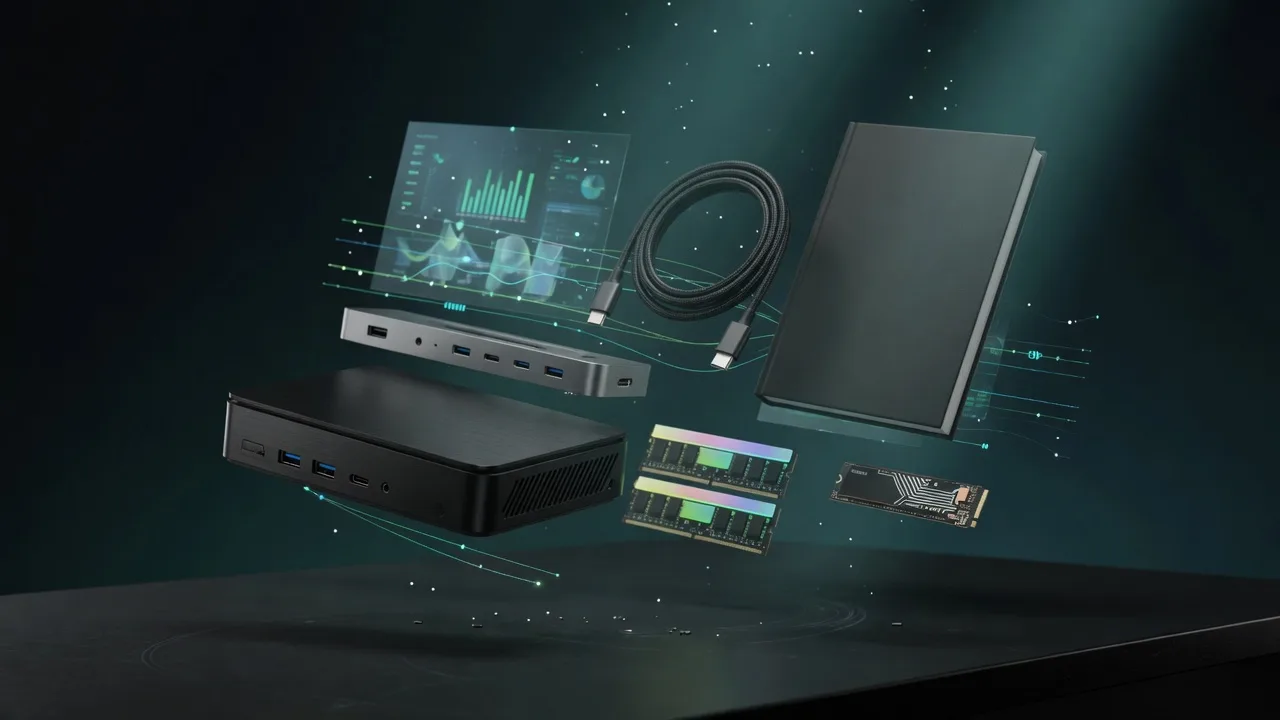
Also in Our Store
Docks, fast storage, cables, and a UPS sized for a local AI machine.

Rent this class of GPU by the hour before you buy. Live prices from RunPod and Vast.ai.
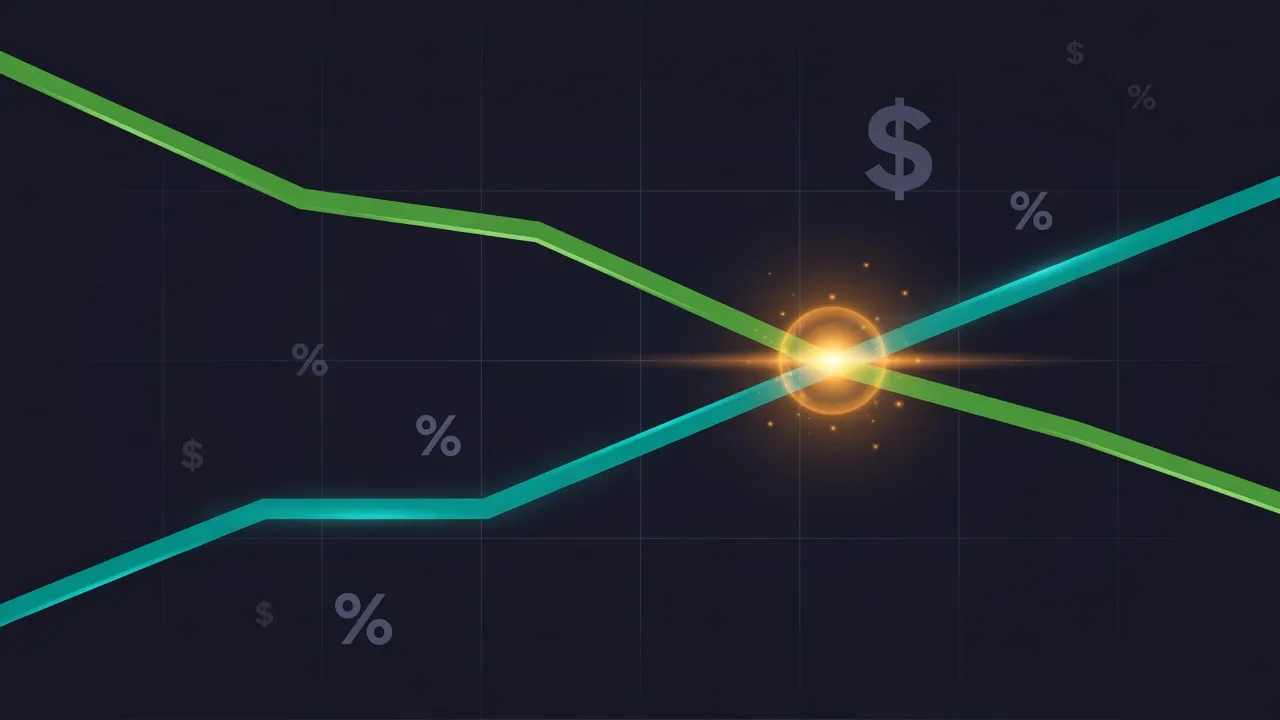
Find the break-even between buying this hardware and paying for a cloud API.
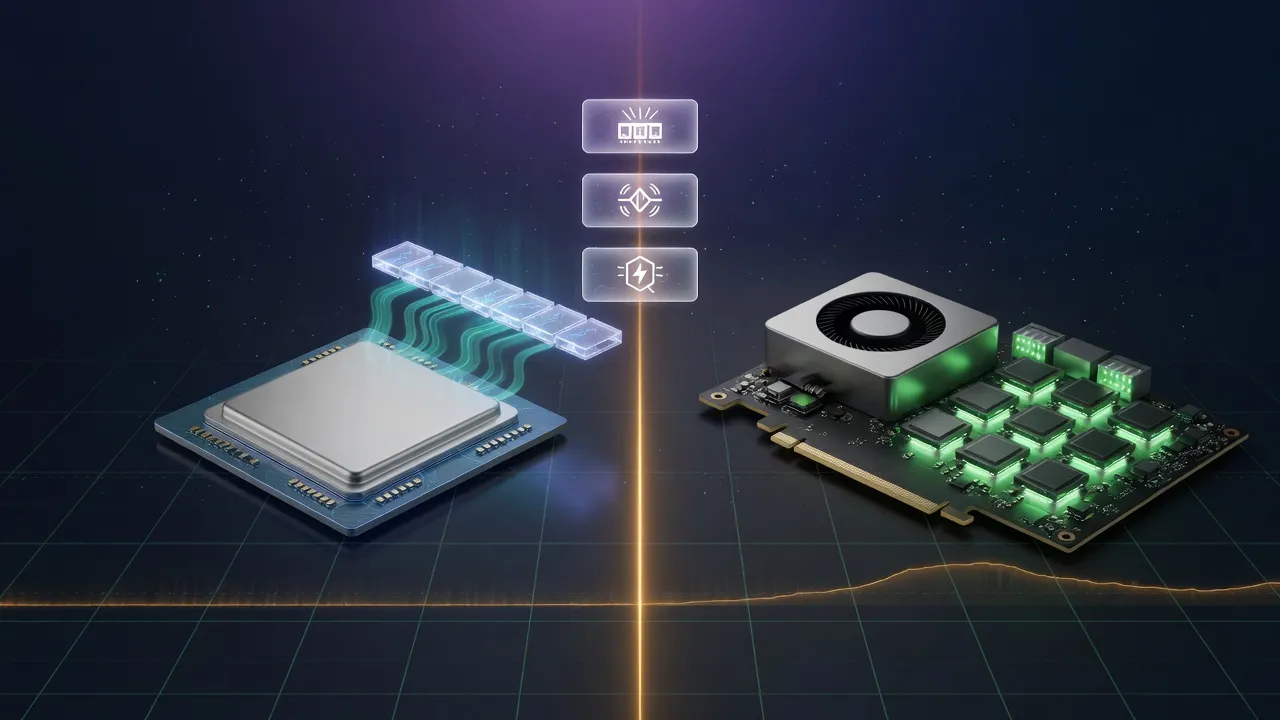
Mac vs NVIDIA for local inference, if you are still choosing a platform.