- Services
Advertising disclosure: we earn commissions when you shop through the links below.
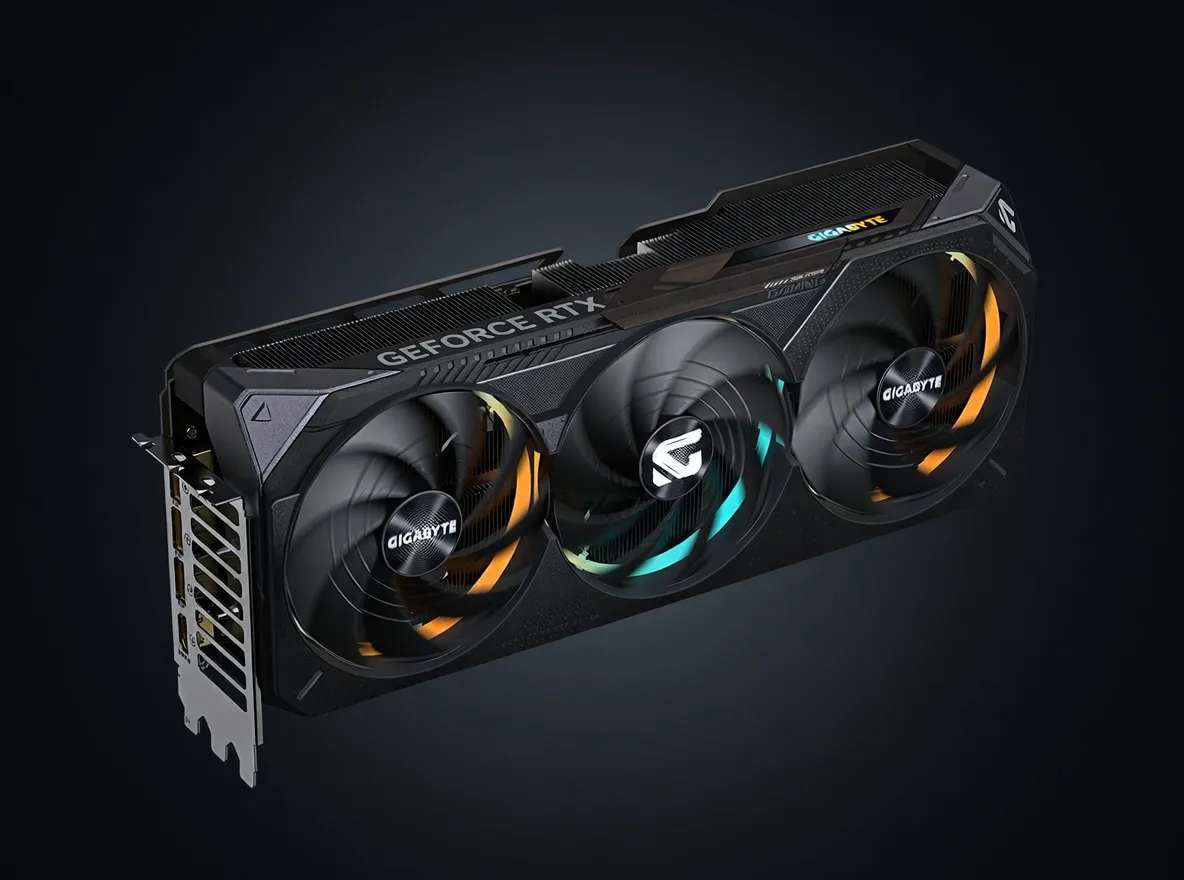
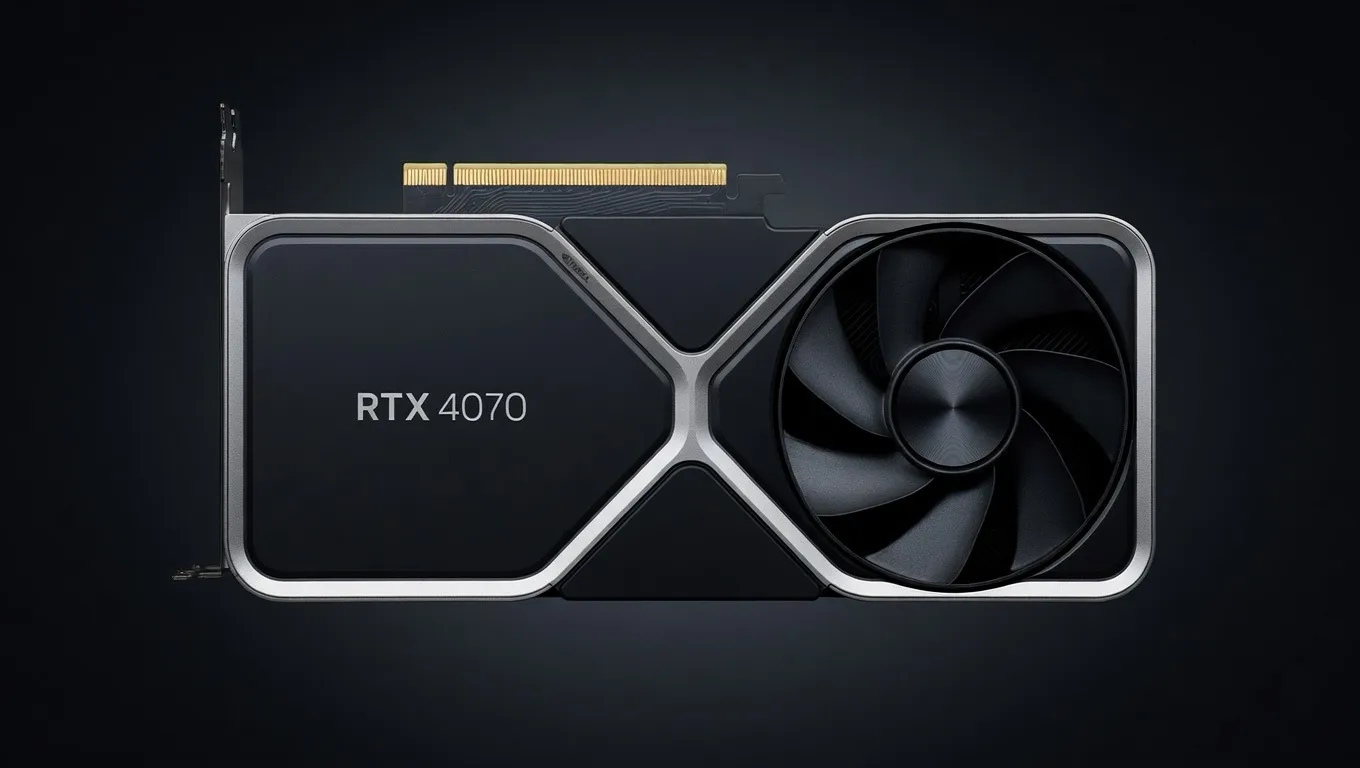
Mid-range Blackwell GPU with 12GB GDDR7 and 6,144 CUDA cores. Strong 1440p performer with DLSS 4 Multi Frame Generation support, though limited by 12GB VRAM for some AI workloads.
12 GB is the modern minimum for usable local LLMs. Comfortable with 7B at FP16 or 13B at Q4; anything bigger pushes context windows down to single-digit thousands. Pricing puts it well above average on raw compute-per-dollar, which matters more than peak FLOPS for steady inference loads.
Generated from this product’s spec sheet. Editor reviews refine it over time.
The NVIDIA GeForce RTX 5070 enters the market as the entry-point for the Blackwell architecture, specifically targeting the mid-range segment of the 50-series lineup. Manufactured on the TSMC 4N process, this GPU represents a generational shift toward high-efficiency inference. For practitioners looking for the best NVIDIA GPUs for running AI models locally on a budget, the RTX 5070 offers a compelling $549 MSRP, balancing the high-speed GDDR7 memory interface with the architectural improvements of the GB205 silicon.
While positioned primarily as a 1440p gaming card, its utility for AI development is defined by its 6,144 CUDA cores and significant jump in memory bandwidth compared to its predecessor. It occupies a distinct niche: it is more capable than the previous-gen 4070 series for compute-heavy tasks but remains constrained by its 12GB VRAM capacity. This makes the NVIDIA GeForce RTX 5070 for AI a specialized tool, ideal for computer vision, small language model (SLM) inference, and agentic workflows that don't require massive context windows.
When evaluating NVIDIA GeForce RTX 5070 AI inference performance, the most critical metric is the transition to GDDR7 memory. With a memory bandwidth of 672 GB/s, the 5070 significantly reduces the bottleneck for auto-regressive decoding in LLMs. Since LLM inference is almost always memory-bandwidth bound, this 192-bit bus paired with faster VRAM allows for higher tokens per second compared to the RTX 4070.
The 62 TFLOPS of FP16 performance indicates a high throughput for parallelizable tasks like image generation (Stable Diffusion) or batch processing in computer vision pipelines. However, for local LLM enthusiasts, the 12GB GPU for AI limitation is the primary factor to consider. While the Blackwell architecture introduces improved tensor core efficiency, you cannot bypass the physical memory limit. If a model's weights and KV cache exceed 12GB, the system will offload to system RAM, resulting in a massive performance degradation.
Compared to the previous generation, the 250W TDP is slightly higher, but the performance-per-watt is optimized for the Blackwell stack. For developers building local AI agents in 2025the inclusion of DLSS 4 Multi Frame Generation, while primarily a gaming feature, points toward NVIDIA's increasing reliance on AI-driven frame synthesis, which utilizes the same tensor cores used for inference tasks.
The NVIDIA GeForce RTX 5070 VRAM for large language models is best suited for 7B to 9B parameter models. Because of the 12GB limit, this card is the "sweet spot" for running high-quantization versions of the industry's most popular small models.
The RTX 5070 is tagged as Best for Computer Vision because 12GB is more than sufficient for real-time object detection (YOLOv10/11), image segmentation (SAM), and stable diffusion workloads. For Stable Diffusion XL or Flux.1 (Schnell), the 5070 provides fast iteration times, though users should stick to 1024x1024 resolutions to avoid OOM (Out of Memory) errors during the VAE decoding stage.
The RTX 5070 is a strategic choice for specific NVIDIA GPUs for AI development scenarios where the $549 price point is a hard ceiling.
If your primary goal is to run a local assistant like Llama 3 or Mistral for personal use, the 5070 is one of the best hardware for local AI agents 2025. It provides a "snappy" feel where text streams faster than the average human can read, making the interaction feel seamless.
For engineers building agents that perform RAG (Retrieval-Augmented Generation), the 5070 is an excellent local testing ground. It can host an embedding model (like bge-m3) and a 7B inference model simultaneously, provided you manage your VRAM allocations strictly.
The high TFLOPS count makes this an excellent card for training small-scale vision models or running inference on multiple camera streams. It is a budget friendly entry into the NVIDIA ecosystem for those who need CUDA support for libraries like PyTorch and TensorFlow but cannot justify the cost of an RTX 5090.
This is primarily an AI chip for local deployment and inference. While you can perform LoRA (Low-Rank Adaptation) fine-tuning on 7B models using techniques like Unsloth or PEFT, you will be limited by the 12GB VRAM. You will likely need to use 4-bit loading (QLoRA) to keep the gradients and optimizer states within the hardware limits.
When choosing the best AI GPU for agent training or inference, the RTX 5070 sits between high-end consumer cards and previous-gen value kings.
The NVIDIA GeForce RTX 5070 is a high-performance, high-efficiency card for the 7B at Q4 parameter model tier. It is the definitive choice for users who value the latest architectural features and high-speed GDDR7 memory over raw VRAM capacity.
The top models this device can run at 4-bit, ranked by fit and speed.
| Model | Grade | Speed | VRAM |
|---|---|---|---|
| AliceAI-Foundation-80B-A3B-Baseyandex | SS | 63.4 tok/s | 8.5 GB |
| North Mini CodeCohere | SS | 64.5 tok/s | 8.4 GB |
| Nemotron 3 Nano OmniNVIDIA | SS | 63.4 tok/s | 8.5 GB |
| Qwen3.6 35B-A3BAlibaba | SS | 63.4 tok/s | 8.5 GB |
| Qwen3.5-35B-A3BAlibaba | SS | 63.4 tok/s | 8.5 GB |
Also in Our Store
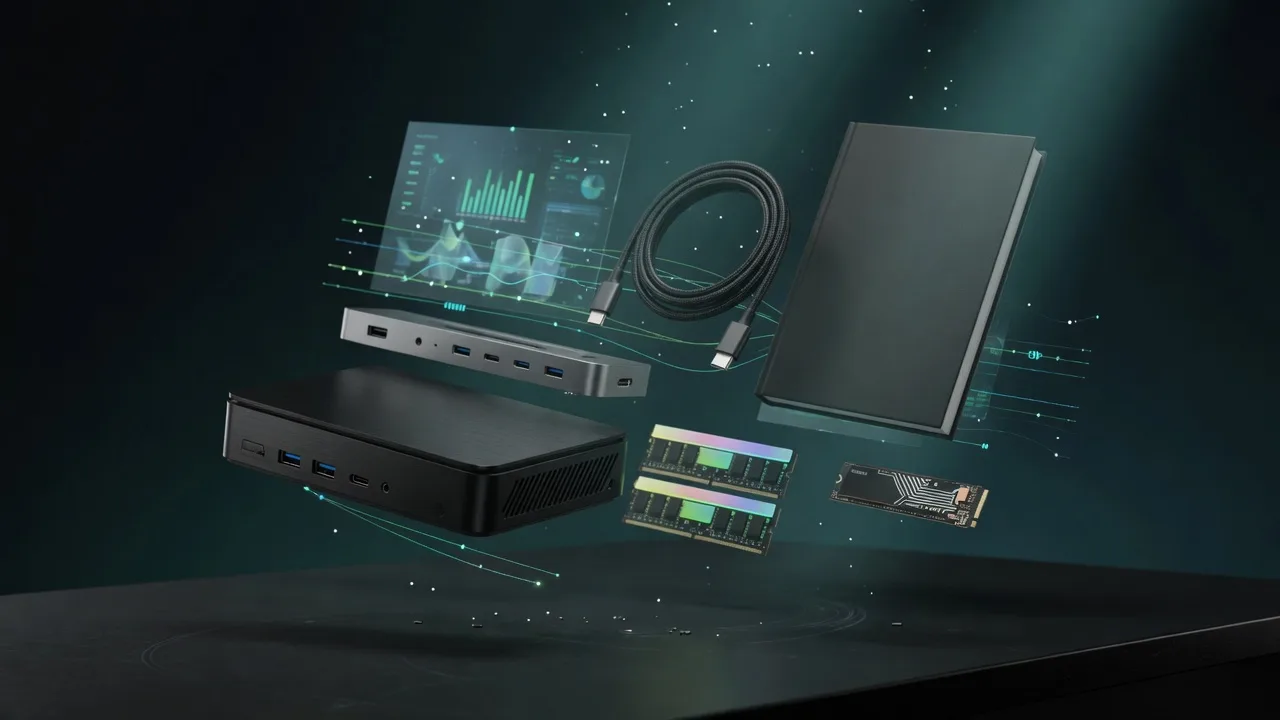
Docks, fast storage, cables, and a UPS sized for a local AI machine.

Rent this class of GPU by the hour before you buy. Live prices from RunPod and Vast.ai.
Find the break-even between buying this hardware and paying for a cloud API.
Mac vs NVIDIA for local inference, if you are still choosing a platform.