Advertising disclosure: we earn commissions when you shop through the links below.
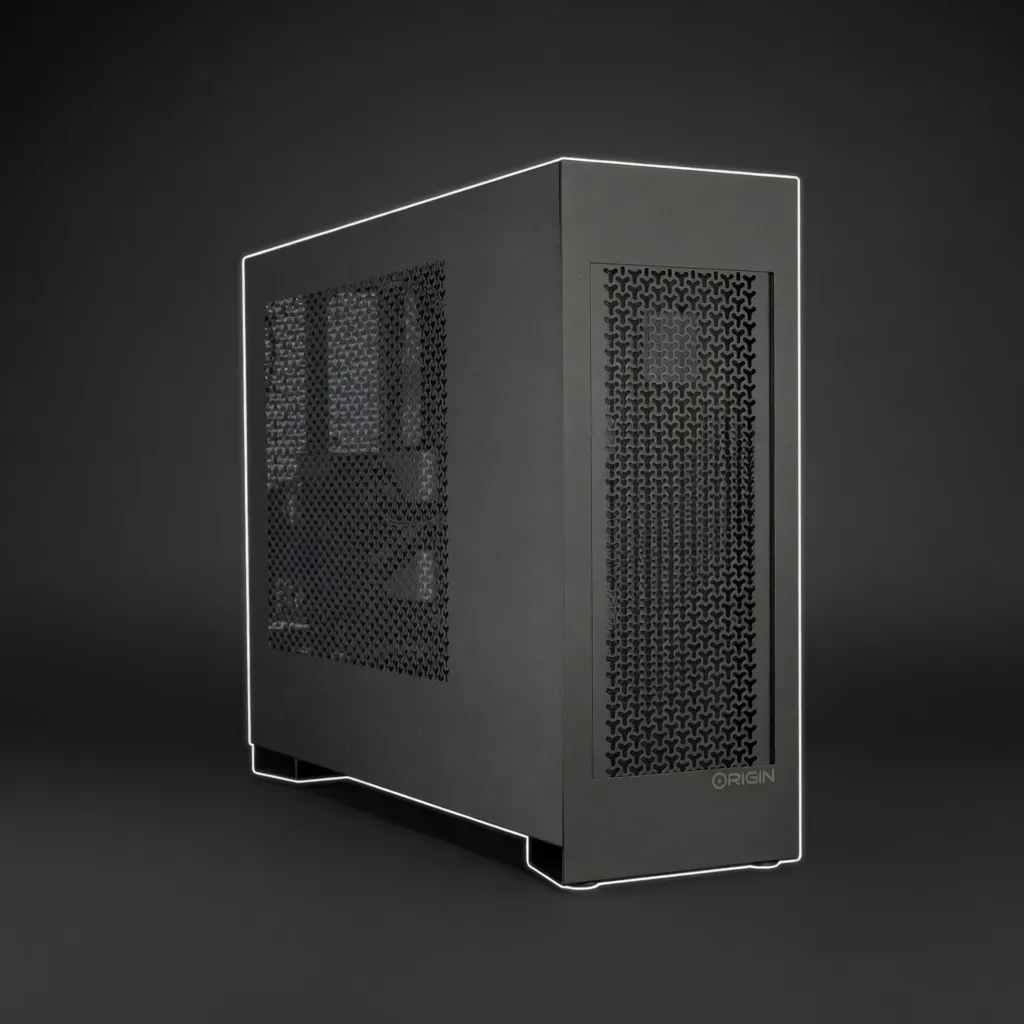
Origin PC
Origin PC L-CLASS v2
Full-tower AI workstation with RTX 6000 Ada 48GB and Threadripper PRO 7995WX 96-core. 256GB ECC DDR5 and 12TB NVMe. Enterprise-grade for heavy training and inference, supports up to 4 GPUs.
AI PCs & LaptopsIn Stock
Best for LLMsPremium / High-EndData Center
Quick Specs
VRAM48 GB
FP1691.1 TFLOPS
TDP700 W
Memory BW960 GB/s
Max Params70B at FP8 native; 120B at Q4 with extended context
Form FactorFull Tower
GPUNVIDIA RTX 6000 Ada Generation 48GB GDDR6 ECC (960 GB/s)
CPUAMD Ryzen Threadripper PRO 7995WX (96C/192T, 350W)
MotherboardASUS Pro WS WRX90E-SAGE SE
Memory256GB DDR5-4800 ECC Registered (4x64GB)
Storage4TB Corsair MP700 PRO PCIe 5.0 (OS) + 8TB Corsair MP600 PRO XT PCIe 4.0 (Data)
Power SupplyCorsair HX1500i (1500W, 80+ Platinum)
CoolingSilverStone XE360-TR5 AIO
GPU ExpansionUp to 4 GPUs
WarrantyLifetime labor, 2-year parts replacement
Our Take
The first tier where 70B-class models stop feeling cramped. Headroom for KV cache means 32K+ context on Q4 quants without falling off the GPU. High TDP — plan for adequate cooling and a beefy PSU; not the right pick for compact desktops.
Pair this withQwen3-235B-A22B (235B)Largest popular open model that fits at Q4 — needs roughly 36.3 GB on this 48 GB card.
Generated from this product’s spec sheet. Editor reviews refine it over time.
GPU Rental Price Index
Rent This GPU in the Cloud
From $0.74 per GPU-hour, NVIDIA RTX 6000 Ada on RunPod.
Specifications
The Origin PC L-CLASS v2 is a full-tower AI workstation built for practitioners who need to run large language models locally without compromise. This is not a consumer desktop or a prosumer rig—it’s an enterprise-grade machine configured with an NVIDIA RTX 6000 Ada (48GB VRAM) and an AMD Ryzen Threadripper PRO 7995WX (96 cores, 192 threads). At a $33,072 MSRP, it competes directly with pre-built data center workstations from Dell (Precision 7960 Tower) and custom builds targeting heavy inference and light-to-moderate fine-tuning.
What sets the L-CLASS v2 apart is its balance of GPU compute, CPU throughput, and memory bandwidth in a single, supported chassis. It ships with 256GB of ECC DDR5, 12TB of NVMe storage (split across PCIe 5.0 and 4.0), and a 1500W Platinum-rated power supply. For teams that need to run 70B parameter models at native FP8 precision or quantized 120B models with extended context, this machine handles it out of the box.
The specs that drive AI inference are clear-cut. Here’s what matters:
- VRAM: 48 GB GDDR6 ECC on the RTX 6000 Ada
- Memory Bandwidth: 960 GB/s
- FP16 Performance: 91.1 TFLOPS
- TDP: 700 W (GPU only)
- System Memory: 256 GB DDR5-4800 ECC Registered
- GPU Expansion: Up to 4 GPUs (supports additional RTX 6000 Ada or similar)
48GB of VRAM is the current sweet spot for running large open-weight models locally. It fits a 70B parameter model at FP8 natively—no offloading, no sharding across GPUs. That means you get full attention layers in GPU memory, which translates to faster token generation and lower latency. For quantized models, the same 48GB accommodates 120B parameters at Q4 with room for extended context (32K+ tokens).
At 960 GB/s, the RTX 6000 Ada’s memory bandwidth is a key factor in token generation speed. For a 70B model at FP8, you can expect roughly 30–40 tokens per second on single-batch inference—fast enough for interactive use. With batch processing (e.g., for a local inference server), throughput scales linearly with batch size until you hit compute limits.
91.1 TFLOPS at FP16 is sufficient for light fine-tuning and LoRA training on 7B–13B models. For full-parameter training on larger models, you’d want multiple GPUs. The L-CLASS v2 supports up to 4 GPUs, which makes it a viable platform for distributed training on models up to 30B parameters with FSDP or DeepSpeed.
The system draws up to 700W under full GPU load, with the Threadripper PRO adding another 350W. The 1500W PSU provides headroom for adding a second or third GPU. Cooling is handled by a SilverStone XE360-TR5 AIO for the CPU and the RTX 6000 Ada’s blower-style cooler. The chassis supports up to 12 fans or dual 360mm radiators, so thermal throttling is unlikely under sustained inference loads.
This machine is built for models that require high VRAM and memory bandwidth. Here’s a breakdown by model family and quantization:
- FP8: Fits entirely in VRAM. Expect ~35 tokens/second at 4K context.
- Q4_K_M: Fits with overhead for 32K context. Slightly faster (40+ tokens/second) but with minor quality loss.
- FP8: Full precision, no offloading. ~30 tokens/second. Suitable for chain-of-thought reasoning tasks.
- Q4: Fits comfortably. Good for agentic workflows where latency matters.
- FP8: Fits natively. ~35 tokens/second. Handles long-context (128K) with KV cache quantization.
- Q4: Allows extended context up to 128K without VRAM pressure.
- Q4: Fits in 48GB with 8K context. ~25 tokens/second. For longer contexts, you’ll need to offload some layers or use a second GPU.
- FP8: Fits easily. ~45 tokens/second. This model is compute-bound on a single GPU, so memory bandwidth is less of a bottleneck.
- FP8: Fits with visual encoder overhead. Expect 25–30 tokens/second for text generation after image processing.
The sweet spot for quality-to-speed on this hardware is FP8 for 70B models and Q4 for 120B models. For most production use cases—chatbots, RAG pipelines, agentic workflows—FP8 gives you full model quality without sacrificing latency.
If you’re deploying a local inference server for a team of 5–10 developers, the L-CLASS v2 can handle concurrent requests with batching. The Threadripper PRO’s 96 cores handle preprocessing, tokenization, and post-processing without creating a CPU bottleneck.
For small-scale production inference (e.g., a customer-facing chatbot with moderate traffic), this machine can serve a single 70B model at FP8 with sub-100ms latency per request under low concurrency. With 4 GPUs, you can serve multiple model instances or shard a 120B model across cards.
Light fine-tuning (LoRA, QLoRA) on 7B–13B models is straightforward. For full-parameter fine-tuning on 30B models, you’ll want at least 2 GPUs. The 256GB system memory ensures you can load large datasets without swapping.
If you have the budget, this is the machine for running uncensored models at home. No cloud costs, no API limits, no data leaving your network.
This system is optimized for inference-first workloads. The single RTX 6000 Ada is not ideal for training large models from scratch—you’d want 4–8 GPUs for that. But for inference, fine-tuning, and agentic workflows, it’s one of the most capable single-GPU workstations available.
The Mac Studio offers more unified memory (192GB) at a lower price point (~$8,000), which lets it run larger quantized models (e.g., 120B at Q4 with more context). However, the RTX 6000 Ada’s 960 GB/s memory bandwidth significantly outperforms the M3 Ultra’s ~800 GB/s, resulting in faster token generation for models that fit in 48GB. The L-CLASS v2 also supports up to 4 GPUs for scaling, while the Mac Studio is locked at one SoC.
Pick the L-CLASS v2 when: You need maximum inference speed for models up to 70B at FP8, or you plan to add GPUs later. Pick the Mac Studio when: You need to run larger quantized models (120B+) or prioritize unified memory over raw bandwidth.
A custom build with the same components could save you 10–15% on cost, but you lose the lifetime labor warranty and 2-year parts replacement. The L-CLASS v2 also includes a pre-validated cooling solution and a chassis designed for workstation airflow. For a team that can’t afford downtime, the warranty and support justify the premium.
Pick the L-CLASS v2 when: You need a supported, turnkey system with a single point of contact for hardware issues. Pick a custom build when: You’re comfortable managing your own hardware and want to save $3,000–$5,000.
Models That Run on This Device
The top models this device can run at 4-bit, ranked by fit and speed.
| Model | Grade | Speed | VRAM |
|---|---|---|---|
| minimax-m2.5MiniMax | SS | 34.0 tok/s | 22.7 GB |
| Mixtral 8x7B InstructMistral AI | SS | 68.0 tok/s | 11.4 GB |
| Gemma 4 26B-A4B ITGoogle | SS | 70.2 tok/s | 11.0 GB |
| DiffusionGemma 26B-A4BGoogle | SS | 73.7 tok/s | 10.5 GB |
| Nemotron 3 Nano OmniNVIDIA | SS | 90.6 tok/s | 8.5 GB |
Similar Products
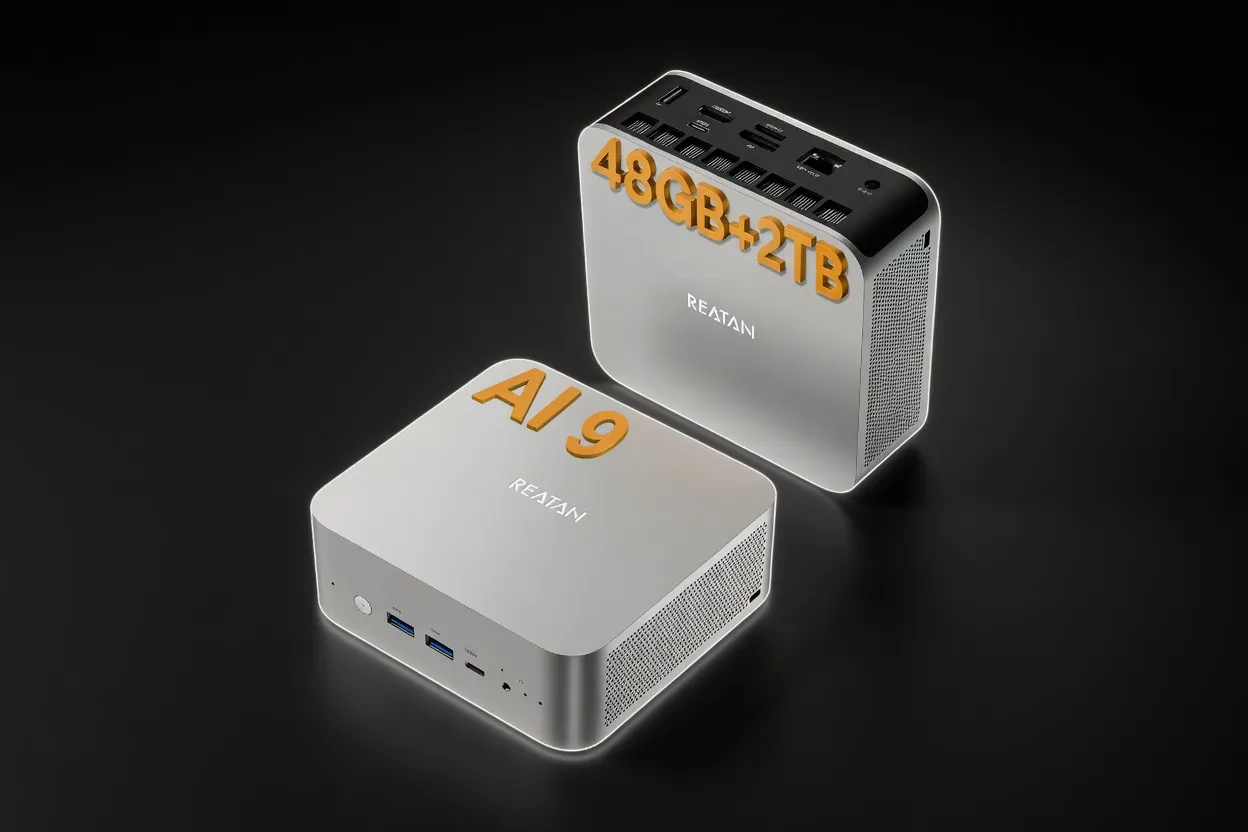
Reatan Mini Gaming PC (Ryzen AI 9 HX 470 with Speaker)
16 GB54 W
Edge AIMobile / On-DeviceEnergy Efficient
$999
Buy on Amazon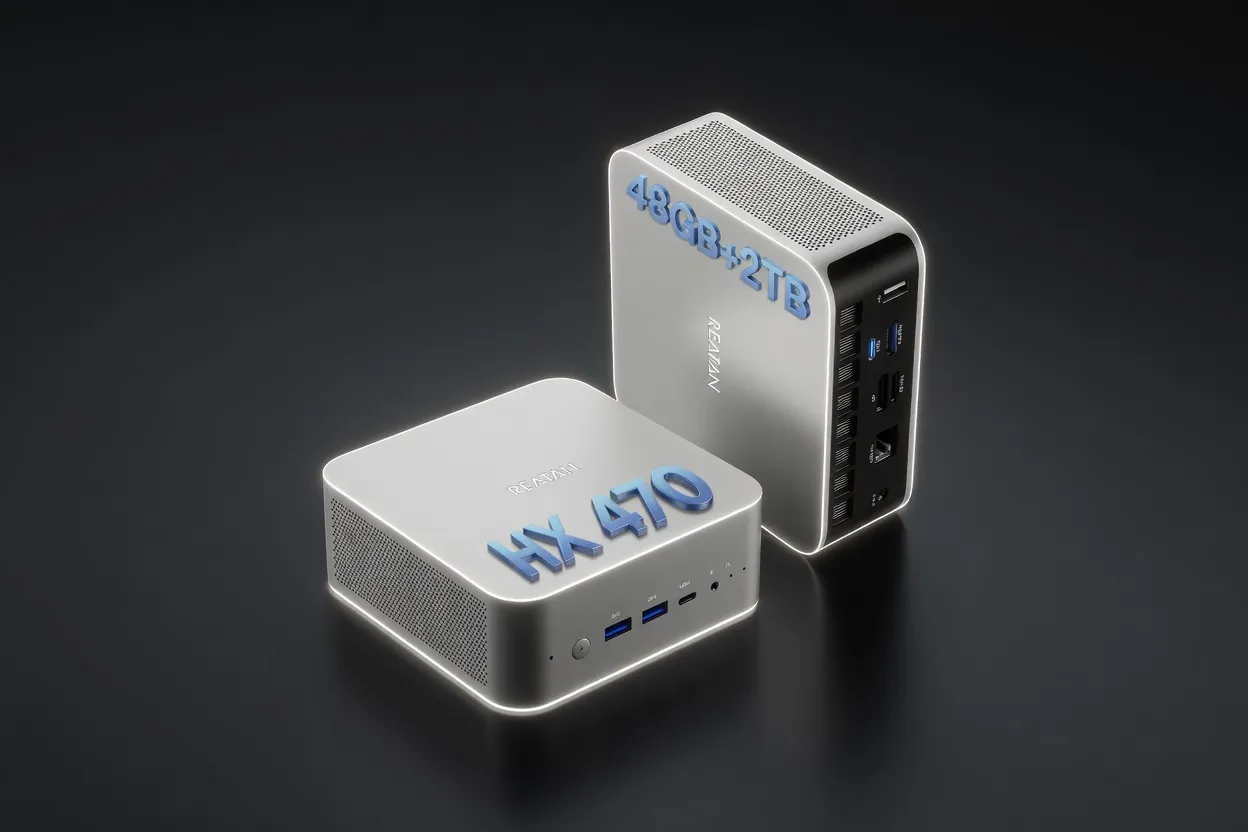
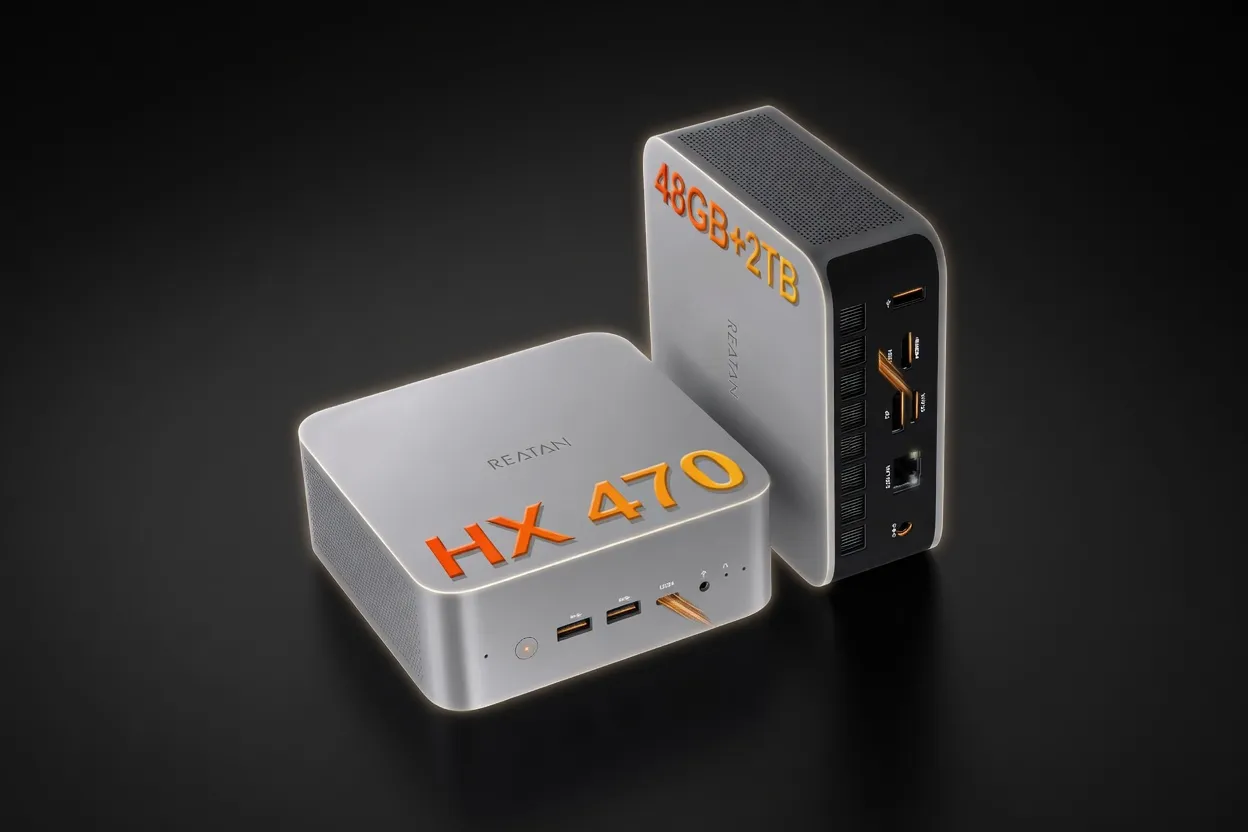
Reatan X8 (Ryzen AI 9 HX 470 48GB)
16 GB54 W
Edge AIMobile / On-DeviceEnergy Efficient
$999
Buy on Amazon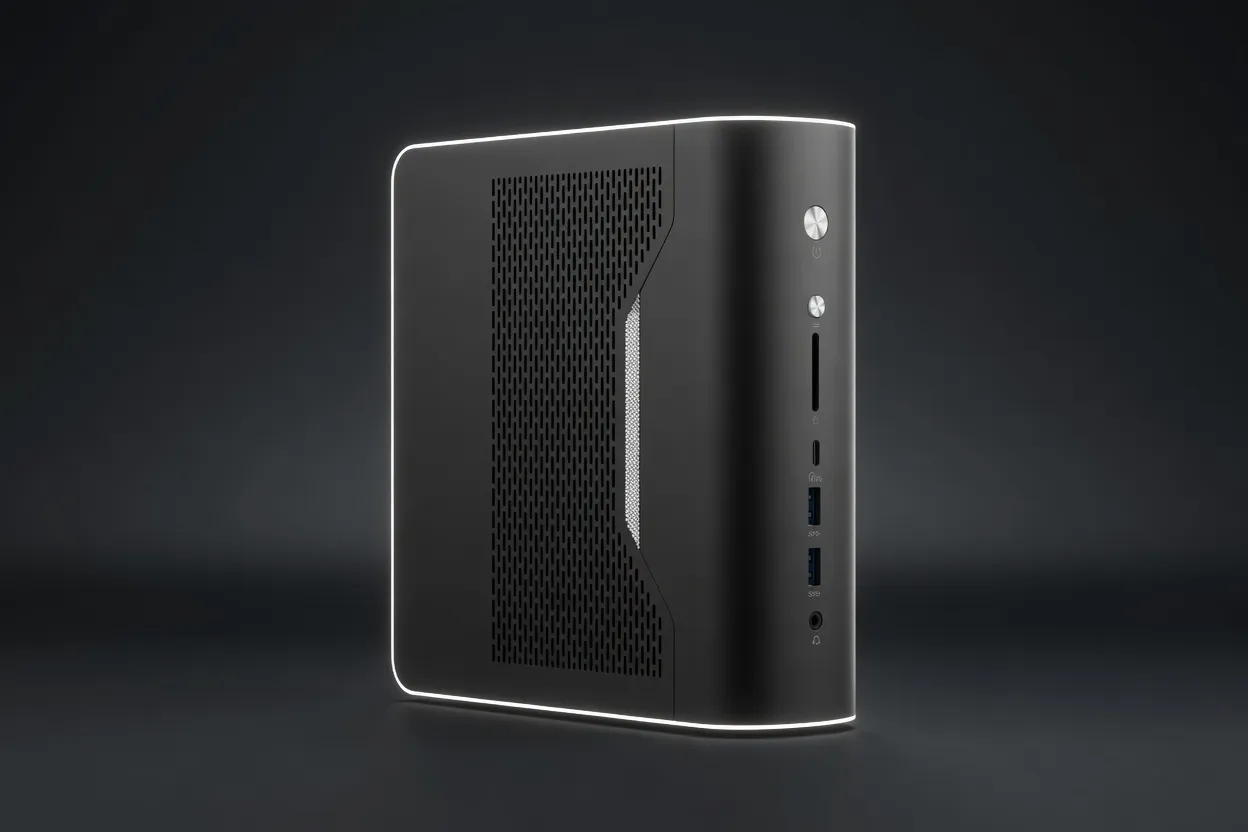
NIMO Mini PC (Ryzen AI Max+ 395 128GB)
96 GB120 W
Best for LLMsEdge AIEnergy Efficient
$2,299
Buy on Amazon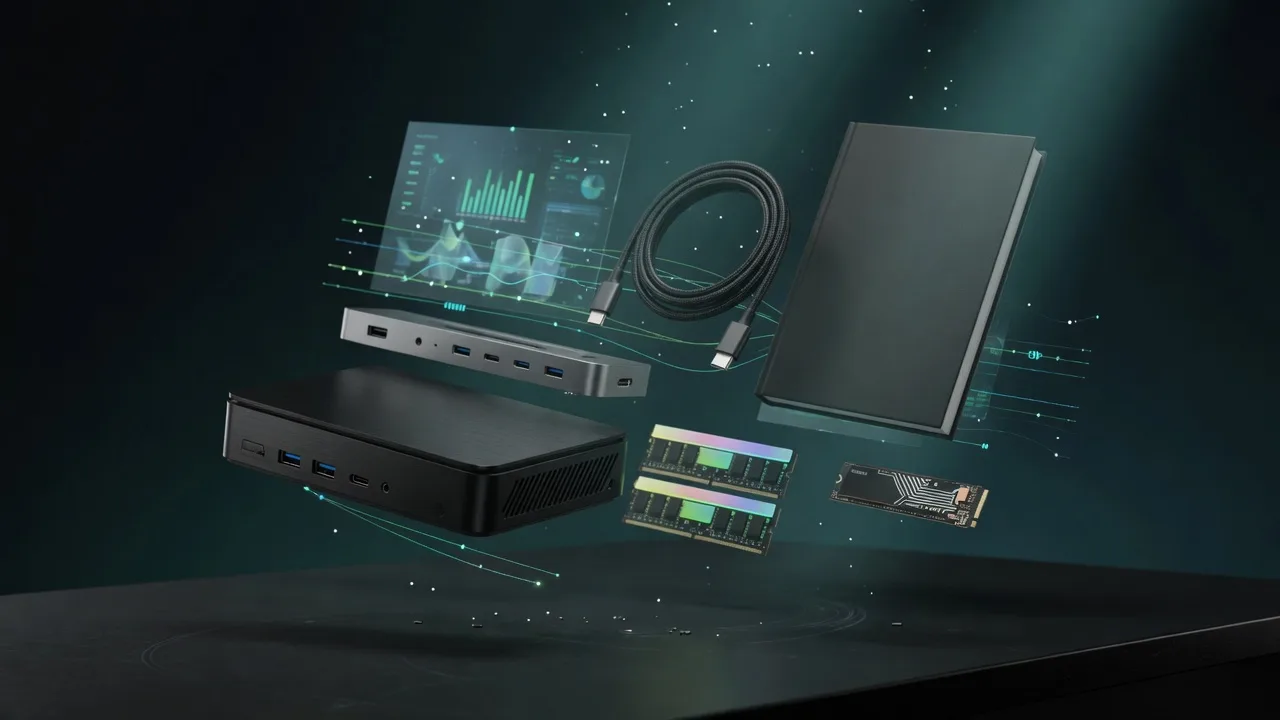
Also in Our Store
Finish the Build
Docks, fast storage, cables, and a UPS sized for a local AI machine.
Plan Your Setup
GPU Rental Price Index
Rent this class of GPU by the hour before you buy. Live prices from RunPod and Vast.ai.
AI Hardware ROI Calculator
Find the break-even between buying this hardware and paying for a cloud API.
AI Workstation Builder
Get a full budget-matched parts list for a local AI workstation.
Apple Silicon vs RTX
Mac vs NVIDIA for local inference, if you are still choosing a platform.