- Services
Advertising disclosure: we earn commissions when you shop through the links below.
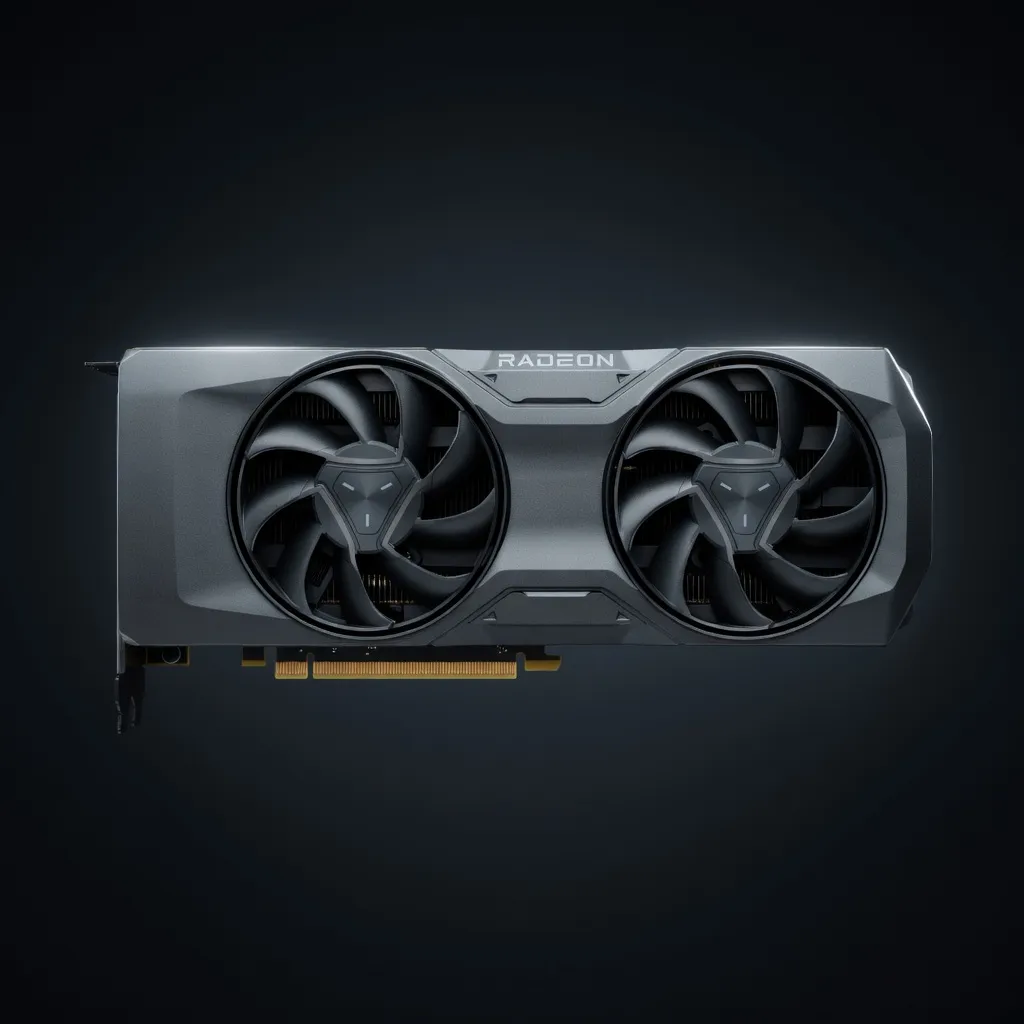
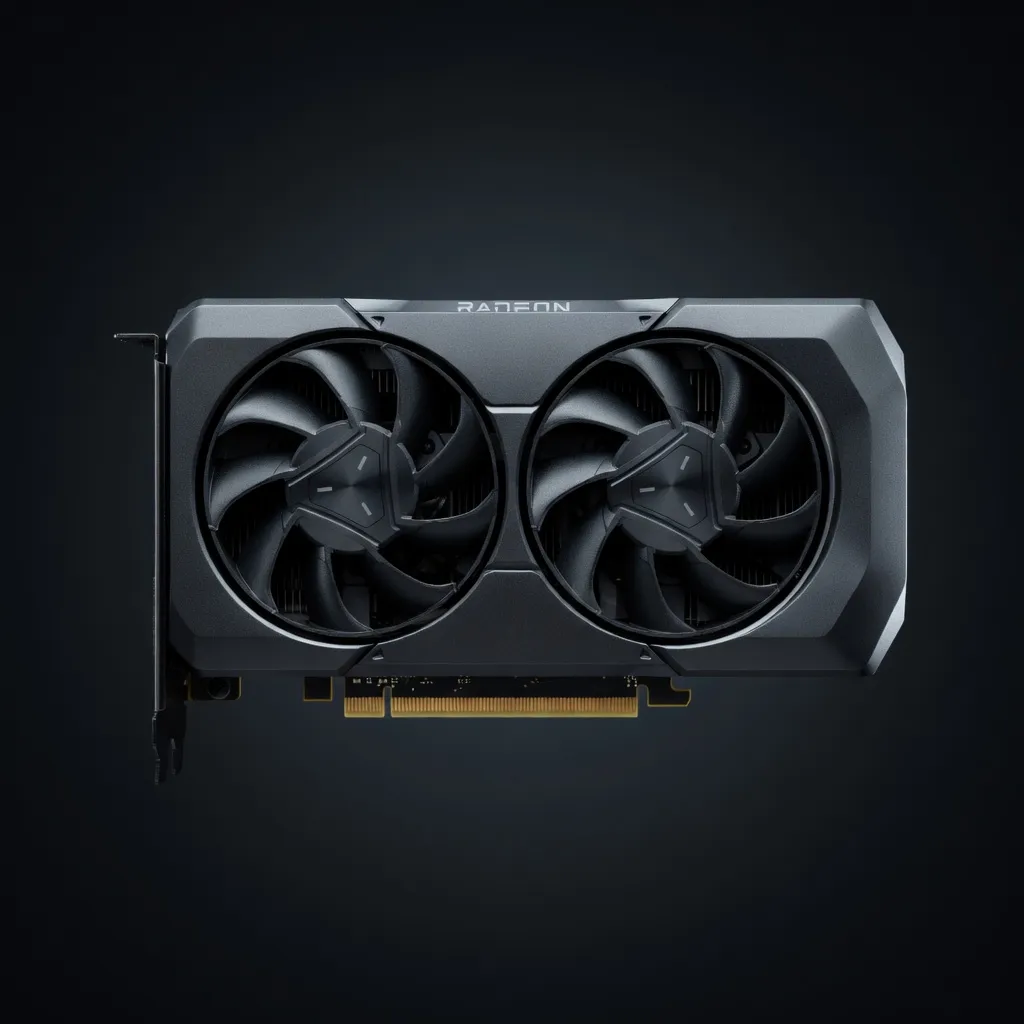
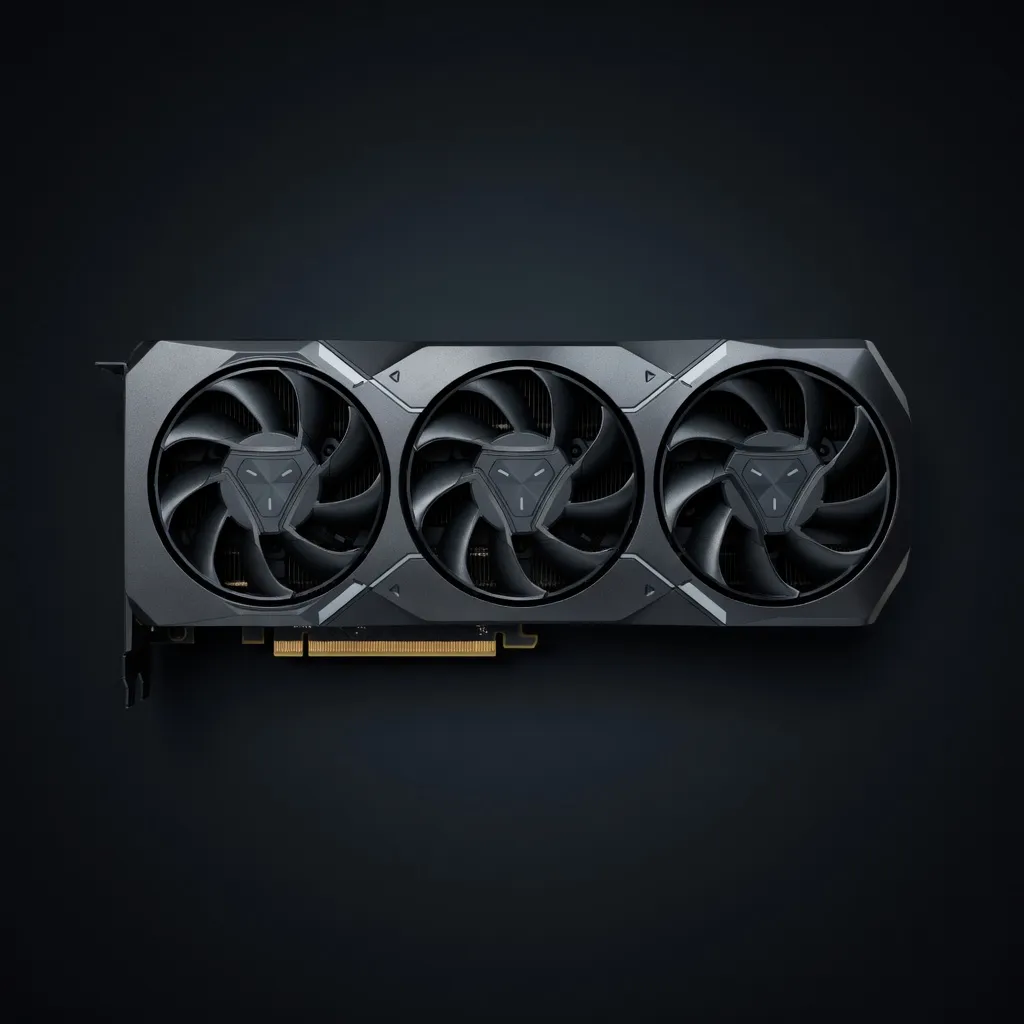
RDNA 3 mid-range GPU with 12GB GDDR6 on a 192-bit bus. Strong 1440p performance at a competitive price, though VRAM is limited compared to the 16GB RX 7800 XT.
12 GB is the modern minimum for usable local LLMs. Comfortable with 7B at FP16 or 13B at Q4; anything bigger pushes context windows down to single-digit thousands. Pricing puts it well above average on raw compute-per-dollar, which matters more than peak FLOPS for steady inference loads.
Generated from this product’s spec sheet. Editor reviews refine it over time.
The AMD Radeon RX 7700 XT occupies a strategic position in the mid-range GPU market, offering a high-throughput entry point for practitioners prioritizing computer vision and medium-scale LLM inference. Built on the RDNA 3 architecture (Navi 32), the 7700 XT is a consumer-tier card that competes directly with NVIDIA’s RTX 4060 Ti 16GB and 4070 series. While it lacks the massive VRAM pools found in professional-grade hardware, its 55.3 TFLOPS of FP16 performance makes it one of the most cost-effective options for developers building AI-powered applications that require low-latency execution of specialized models.
For AI engineers, the 7700 XT represents a "compute-first" budget choice. While much of the industry defaults to CUDA-based workflows, the maturity of AMD’s ROCm (Radeon Open Compute) platform has made the RX 7700 XT a viable candidate for local AI development. It is particularly well-suited for engineers working with the ONNX Runtime, PyTorch (via ROCm), or Vulkan-based backends who need a modern architecture without the "NVIDIA tax."
When evaluating the AMD Radeon RX 7700 XT for AI inference performance, three metrics define its utility: memory capacity, memory bandwidth, and raw compute throughput.
The 7700 XT features 12GB of GDDR6 VRAM on a 192-bit memory bus. In the context of local LLM execution, VRAM is the primary bottleneck. 12GB is the "transition point" in current hardware; it is sufficient for 7B and 8B parameter models with high-precision weights, but it lacks the headroom for the 14B+ parameter models that are becoming standard for complex agentic workflows. However, with a memory bandwidth of 432 GB/s, the 7700 XT outpaces the RTX 4060 Ti (288 GB/s), leading to faster token-per-second (TPS) generation on models that fit within its memory buffer.
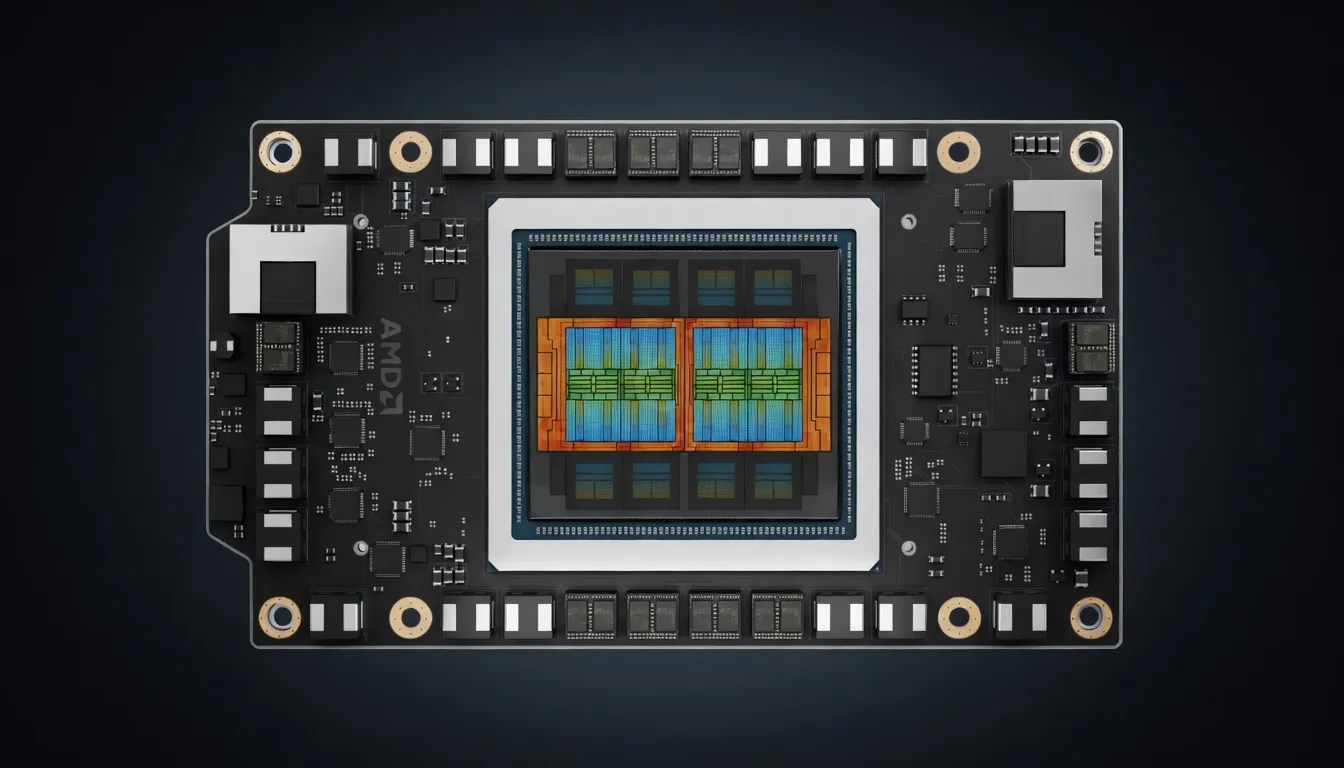
The RDNA 3 architecture introduces "AI Accelerators", dedicated instructions designed to optimize matrix multiplications. With 54 Compute Units and 3,456 Stream Processors, the 7700 XT delivers 55.3 TFLOPS of peak FP16 performance. This is critical for computer vision tasks, such as real-time object detection (YOLOv8/v10) or image segmentation, where the GPU is processing pixel data rather than just predicting the next token in a sequence.
The 245W TDP is relatively high for a mid-range card. Practitioners deploying this in small-form-factor (SFF) workstations for edge AI must ensure adequate cooling. Compared to the more efficient RTX 4070, the 7700 XT trades power efficiency for a lower MSRP ($449), making it a "raw performance per dollar" play rather than an efficiency play.
The RX 7700 XT is optimized for "small but mighty" models. It is the ideal hardware for running 7B at Q4 parameter models, the current sweet spot for local AI agents.
The 7700 XT is "Best for Computer Vision" in the budget category. It can comfortably run:
The AMD Radeon RX 7700 XT is not a "do-everything" card, but it excels in specific deployment scenarios.
For those building local AI agents using frameworks like AutoGPT or CrewAI, the 7700 XT provides the necessary speed for the "inner loop" of agentic thought. Because agentic workflows often require multiple LLM calls in rapid succession, the 432 GB/s bandwidth ensures the agent doesn't hang while "thinking."
If you are developing an app that will eventually be deployed to consumer hardware, the 7700 XT is a perfect "baseline" card. It allows you to test ROCm compatibility and ensure your model weights are optimized for 12GB buffers, which is a common ceiling for many end-users.
Due to its high TFLOPS-to-price ratio, this card is excellent for training small-scale CNNs or running inference on high-resolution video feeds. It is a strong candidate for local NVR (Network Video Recorder) setups that use AI for object and person detection.
To understand the value of the RX 7700 XT for AI, it must be compared against its primary rivals: the NVIDIA RTX 4060 Ti (16GB) and the AMD RX 7800 XT.
The 4060 Ti has a clear advantage in VRAM capacity (16GB vs 12GB), allowing it to run 11B or 14B models that the 7700 XT cannot. However, the 4060 Ti is hampered by a narrow 128-bit memory bus (288 GB/s). For models that do fit in 12GB, the RX 7700 XT will generally offer faster tokens per second and better raw compute throughput for vision tasks. Choose NVIDIA if you need CUDA or more VRAM; choose the 7700 XT if you need faster inference on 7B/8B models.
The RX 7800 XT is frequently cited as one of the best AMD GPUs for running AI models locally because it bumps the VRAM to 16GB and the bus to 256-bit. If your budget allows for the extra ~$50-$70, the 7800 XT is a significant upgrade for LLM work. However, if your use case is strictly computer vision or 7B-parameter inference, the 7700 XT provides nearly identical utility for a lower entry price.
The AMD Radeon RX 7700 XT is a specialist's tool. It isn't the best AI chip for local deployment if you intend to run massive 70B models via 2-bit quantization, the VRAM simply isn't there. But for practitioners who need a modern, high-bandwidth 12GB GPU for AI development, computer vision, and high-speed 7B LLM inference, it remains a top-tier budget-friendly contender for 2025.
The top models this device can run at 4-bit, ranked by fit and speed.
| Model | Grade | Speed | VRAM |
|---|---|---|---|
| AliceAI-Foundation-80B-A3B-Baseyandex | SS | 40.8 tok/s | 8.5 GB |
| North Mini CodeCohere | SS | 41.5 tok/s | 8.4 GB |
| Nemotron 3 Nano OmniNVIDIA | SS | 40.8 tok/s | 8.5 GB |
| Qwen3.6 35B-A3BAlibaba | SS | 40.8 tok/s | 8.5 GB |
| Qwen3.5-35B-A3BAlibaba | SS | 40.8 tok/s | 8.5 GB |
Among 6 similar devices, the AMD Radeon RX 7700 XT ranks #5 for memory and #5 for memory bandwidth.
Also in Our Store
Docks, fast storage, cables, and a UPS sized for a local AI machine.

Rent this class of GPU by the hour before you buy. Live prices from RunPod and Vast.ai.
Find the break-even between buying this hardware and paying for a cloud API.
Mac vs NVIDIA for local inference, if you are still choosing a platform.