- Services
Advertising disclosure: we earn commissions when you shop through the links below.
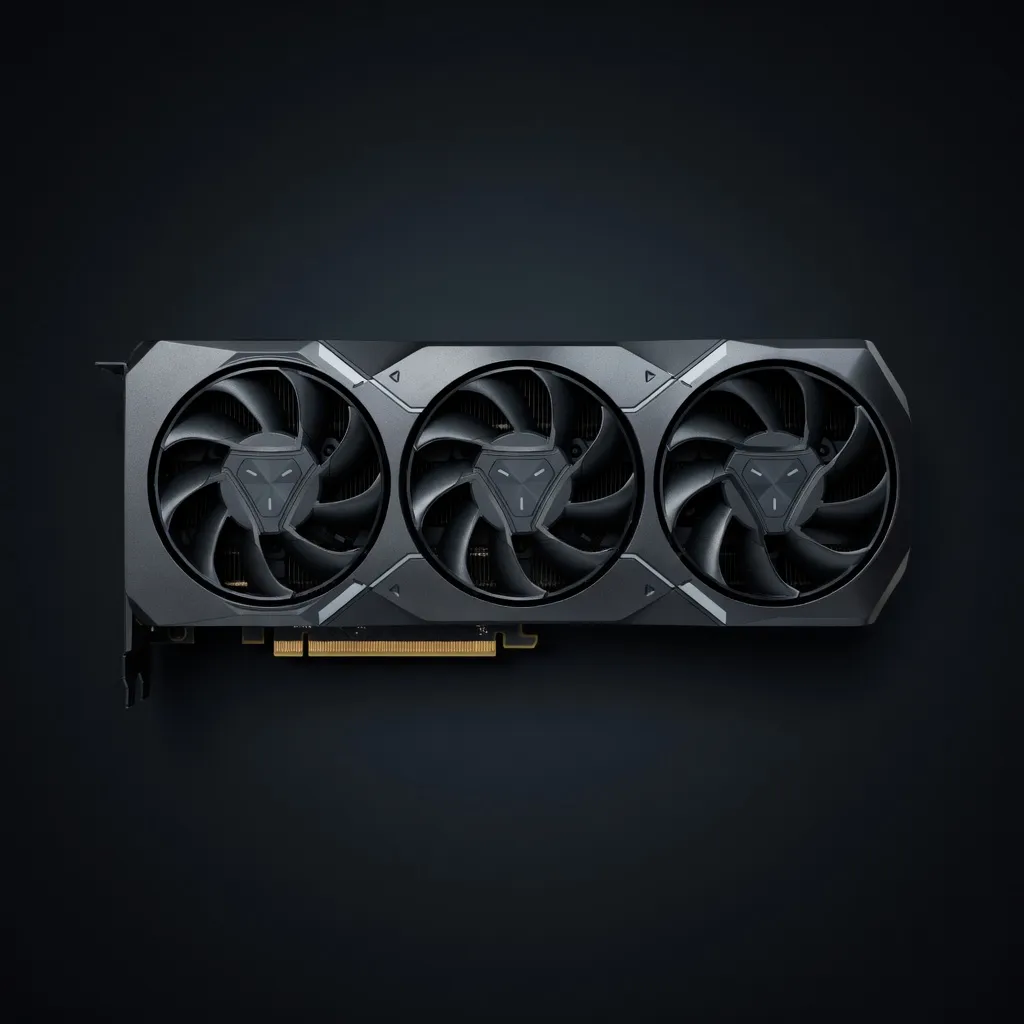
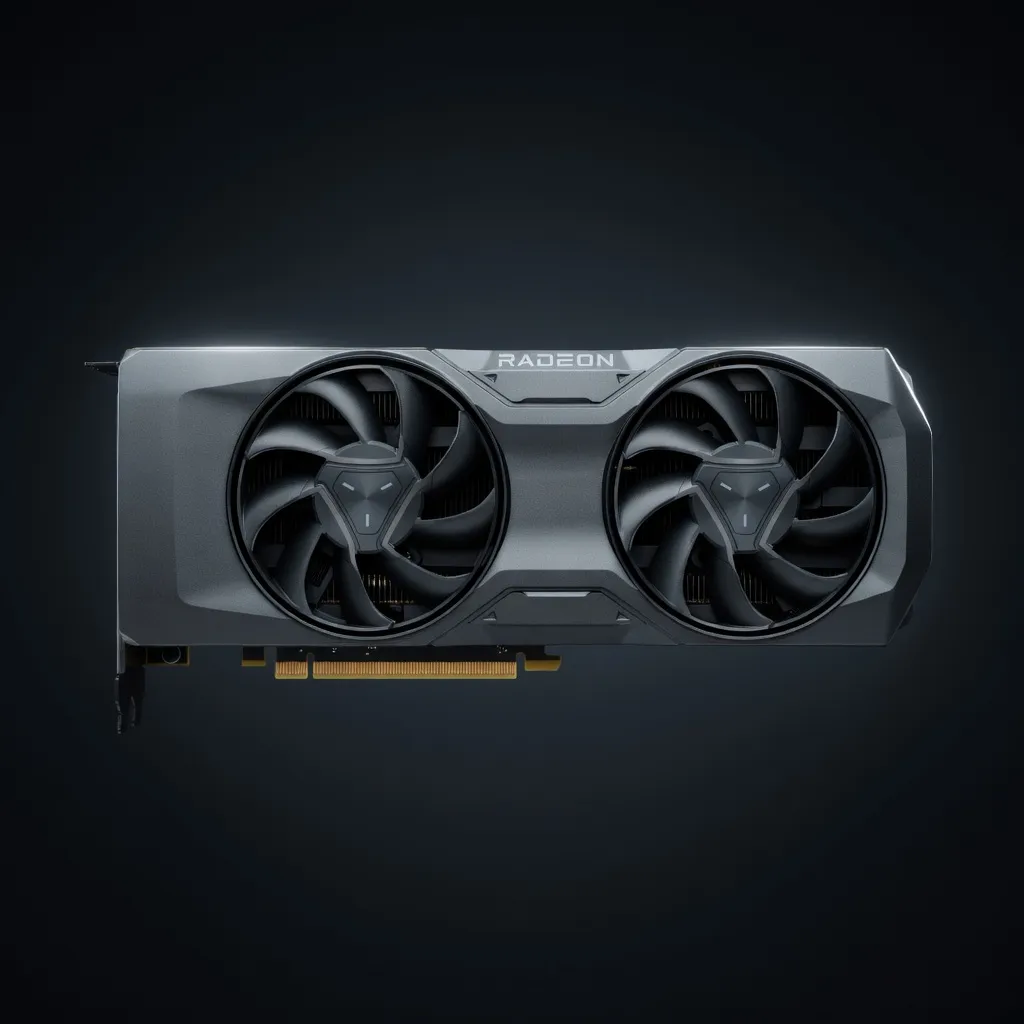
RDNA 3 high-end GPU with 20GB GDDR6 on a 320-bit bus. Strong 4K performance with more VRAM than competing NVIDIA GPUs at this price tier.
Good balance for indie developers running local copilots and chat. 30B+ models are reachable but only with aggressive quantization and short context. Pricing puts it well above average on raw compute-per-dollar, which matters more than peak FLOPS for steady inference loads.
Generated from this product’s spec sheet. Editor reviews refine it over time.
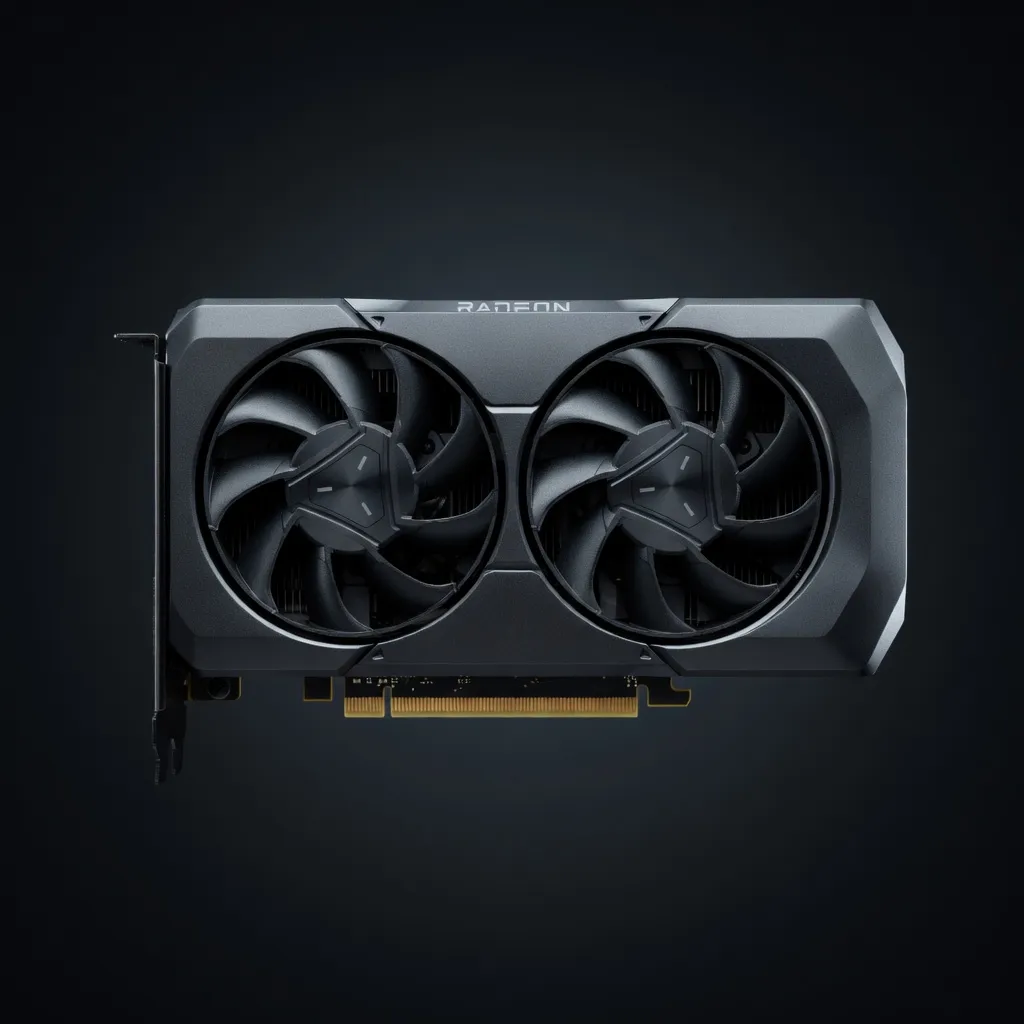
The AMD Radeon RX 7900 XT is a high-end consumer GPU built on the RDNA 3 architecture, positioned as a high-performance alternative for practitioners who need significant VRAM without the "NVIDIA tax." With 20GB of GDDR6 memory, it occupies a strategic middle ground between the mainstream 12GB–16GB cards and the flagship 24GB tier. For engineers building local AI agents and developers seeking a cost-effective setup for computer vision, the 7900 XT offers one of the best price-per-GB ratios in the current market.
While NVIDIA remains the dominant force due to CUDA, the AMD Radeon RX 7900 XT for AI has become a viable contender thanks to the maturation of the ROCm (Radeon Open Compute) ecosystem. This card is designed for prosumers and developers who require high memory bandwidth and enough capacity to run medium-sized Large Language Models (LLMs) and complex stable diffusion pipelines. It competes directly with the NVIDIA RTX 4070 Ti Super and the RTX 4080, often outperforming the former in raw VRAM capacity while retailing at a lower MSRP of $899.
When evaluating the AMD Radeon RX 7900 XT AI inference performance, three metrics dictate its utility: VRAM capacity, memory bandwidth, and FP16 compute throughput.
The 20GB of GDDR6 memory is the standout feature for AI workloads. In local inference, VRAM is the primary bottleneck; if a model doesn't fit in memory, performance drops by orders of magnitude as it offloads to system RAM. The 7900 XT utilizes a 320-bit memory bus, providing a substantial 800 GB/s of bandwidth. This bandwidth is critical for the "prefill" and "decode" stages of LLM inference, directly impacting how many tokens per second the GPU can generate.
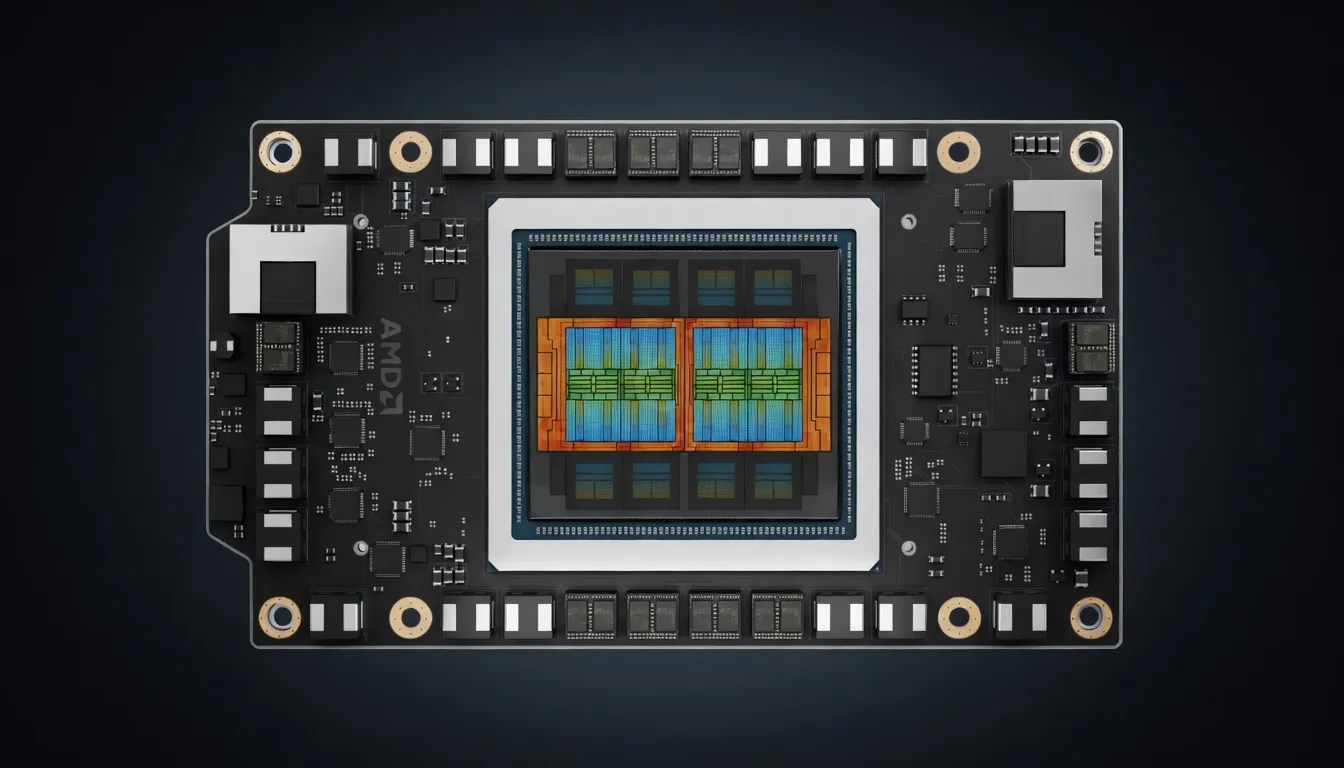
The RDNA 3 architecture introduces dedicated AI accelerators within its 84 Compute Units. The 7900 XT delivers 103 TFLOPS of peak FP16 performance. For practitioners, this translates to high throughput for parallelizable tasks like batch image generation or video analysis. While peak TFLOPS are often theoretical, in optimized ROCm environments, the hardware shows strong scaling for FP16 and INT8 operations.
With a TDP of 315W, the 7900 XT is a power-hungry card. Engineers planning to deploy multiple units in a single workstation must account for thermal management and a robust power supply (850W+ recommended). Compared to NVIDIA’s Ada Lovelace architecture, the 7900 XT is slightly less power-efficient per watt, but it compensates with higher raw memory availability at its price point.
The 20GB VRAM ceiling defines the "Max Model Params" for this card, which comfortably handles 13B models at Q4 or Q8 quantization, and even some 30B+ models at higher compression levels.
For local LLM enthusiasts, the AMD Radeon RX 7900 XT VRAM for large language models allows for the following configurations:
The 7900 XT is labeled "Best for Computer Vision" within its category because 20GB of VRAM allows for large batch sizes during inference or fine-tuning of vision transformers (ViT). For Stable Diffusion XL (SDXL) or Flux.1 (Schnell), the 20GB buffer allows for high-resolution image generation without running into "Out of Memory" (OOM) errors that plague 12GB cards.
The 7900 XT is one of the best hardware options for local AI agents in 2025. Agents require consistent, low-latency responses and often need to hold large prompts and tool-definitions in context. The 20GB buffer allows developers to run an LLM (like Llama 3) alongside auxiliary models for embedding, RAG (Retrieval-Augmented Generation), or speech-to-text (Whisper) on a single device.
AMD amd gpus for AI development are no longer niche. With the release of ROCm 6.x, PyTorch and TensorFlow support has stabilized. This card is ideal for engineers who want to break away from the proprietary CUDA ecosystem and contribute to or utilize open-source stacks. It is particularly effective for:
vLLM or Ollama server for a small team.For those running local chatbots to maintain data privacy, the 7900 XT provides a premium experience. It avoids the performance "cliff" found on 16GB cards when trying to run high-quality 13B-20B parameter models with long conversation histories.
When choosing the best AI chip for local deployment, the 7900 XT is usually compared against NVIDIA's mid-to-high range.
The RTX 4070 Ti Super features 16GB of VRAM. While the NVIDIA card has the advantage of the CUDA ecosystem and better power efficiency, the 7900 XT offers 4GB more VRAM and higher memory bandwidth (800 GB/s vs 672 GB/s). For LLM inference, that extra 4GB is the difference between running a model at "High" vs "Medium" quantization, or significantly expanding the available context window.
The flagship 7900 XTX offers 24GB of VRAM and higher compute power for roughly $100–$200 more. If your budget allows, the XTX is the superior choice for AI due to the 24GB "magic number" (matching the 3090/4090). However, the 7900 XT remains the more cost-effective "entry-to-premium" card for those who find 16GB insufficient but cannot justify the $1,000+ price tag of 24GB cards.
Historically, NVIDIA was the only choice. However, for practitioners using Linux, the 7900 XT is now a plug-and-play experience for most LLM backends (llama.cpp, MLC LLM, Ollama). If your workflow relies heavily on proprietary NVIDIA software like TensorRT or specific Omniverse tools, stay with NVIDIA. If you are working with standard PyTorch/Hugging Face libraries, the 7900 XT offers superior raw hardware specs per dollar.
The top models this device can run at 4-bit, ranked by fit and speed.
| Model | Grade | Speed | VRAM |
|---|---|---|---|
| Mixtral 8x7B InstructMistral AI | SS | 56.7 tok/s | 11.4 GB |
| DiffusionGemma 26B-A4BGoogle | SS | 61.4 tok/s | 10.5 GB |
| Gemma 4 26B-A4B ITGoogle | SS | 58.5 tok/s | 11.0 GB |
| Xing4.0-29B-A4BChina Telecom AI | SS | 57.5 tok/s | 11.2 GB |
| AliceAI-Foundation-80B-A3B-Baseyandex | SS | 75.5 tok/s | 8.5 GB |
Among 6 similar devices, the AMD Radeon RX 7900 XT ranks #3 for memory and #3 for memory bandwidth.
Also in Our Store
Docks, fast storage, cables, and a UPS sized for a local AI machine.

Rent this class of GPU by the hour before you buy. Live prices from RunPod and Vast.ai.
Find the break-even between buying this hardware and paying for a cloud API.
Mac vs NVIDIA for local inference, if you are still choosing a platform.