- Services
Advertising disclosure: we earn commissions when you shop through the links below.
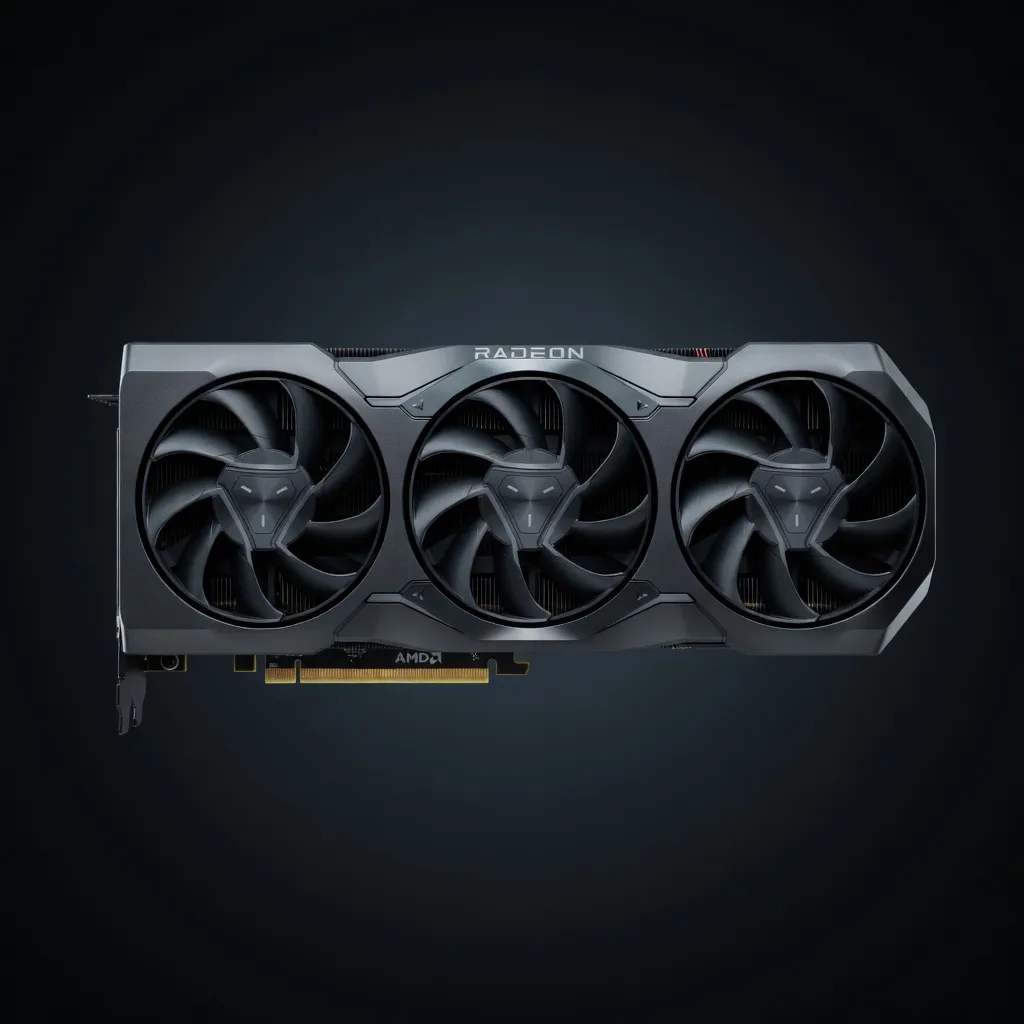
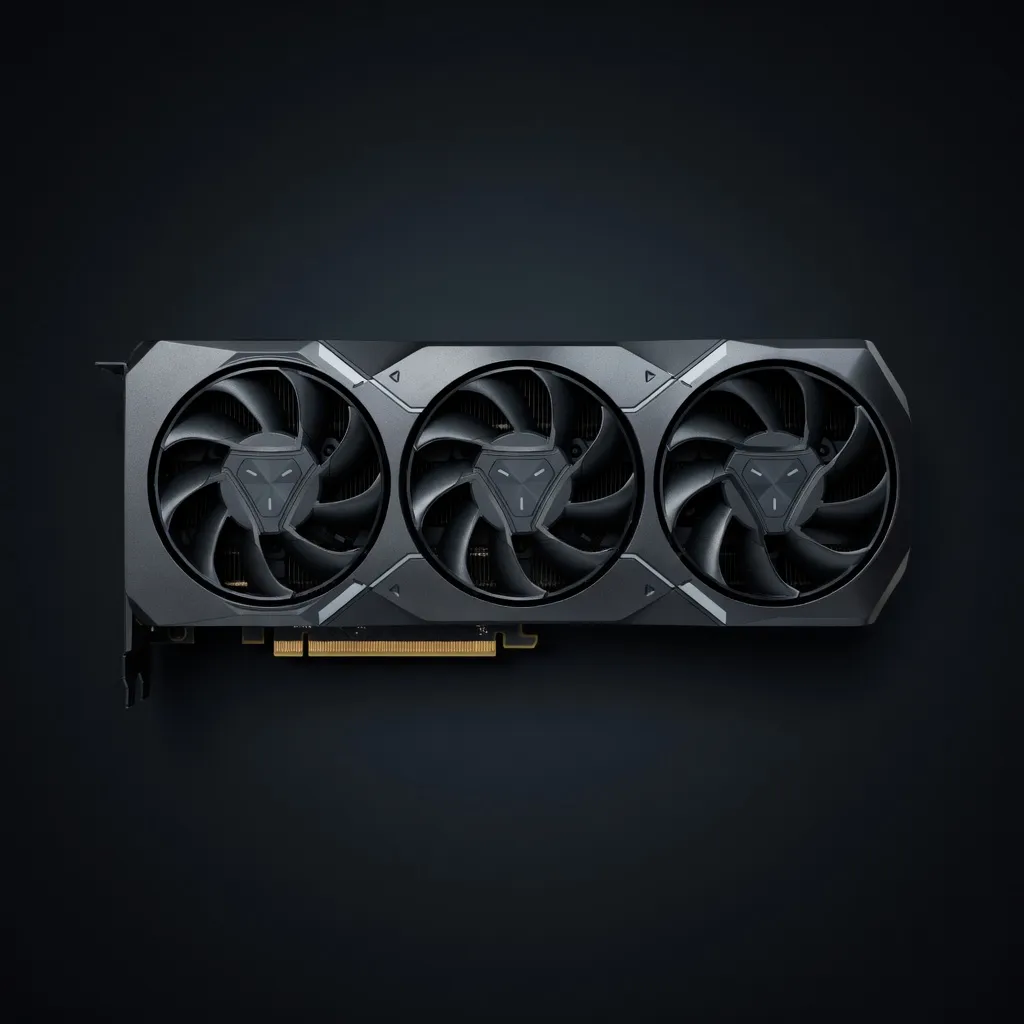
Previous-gen RDNA 3 flagship with 24GB GDDR6 on a 384-bit bus. Still one of the best value GPUs for AI hobbyists thanks to its generous VRAM, though RDNA 3's AI acceleration is limited.
The 24 GB tier is where most local-LLM tooling assumes you live. Strong fit for code agents, RAG, and 30B-class reasoning models without exotic quants. Pricing puts it well above average on raw compute-per-dollar, which matters more than peak FLOPS for steady inference loads.
Generated from this product’s spec sheet. Editor reviews refine it over time.
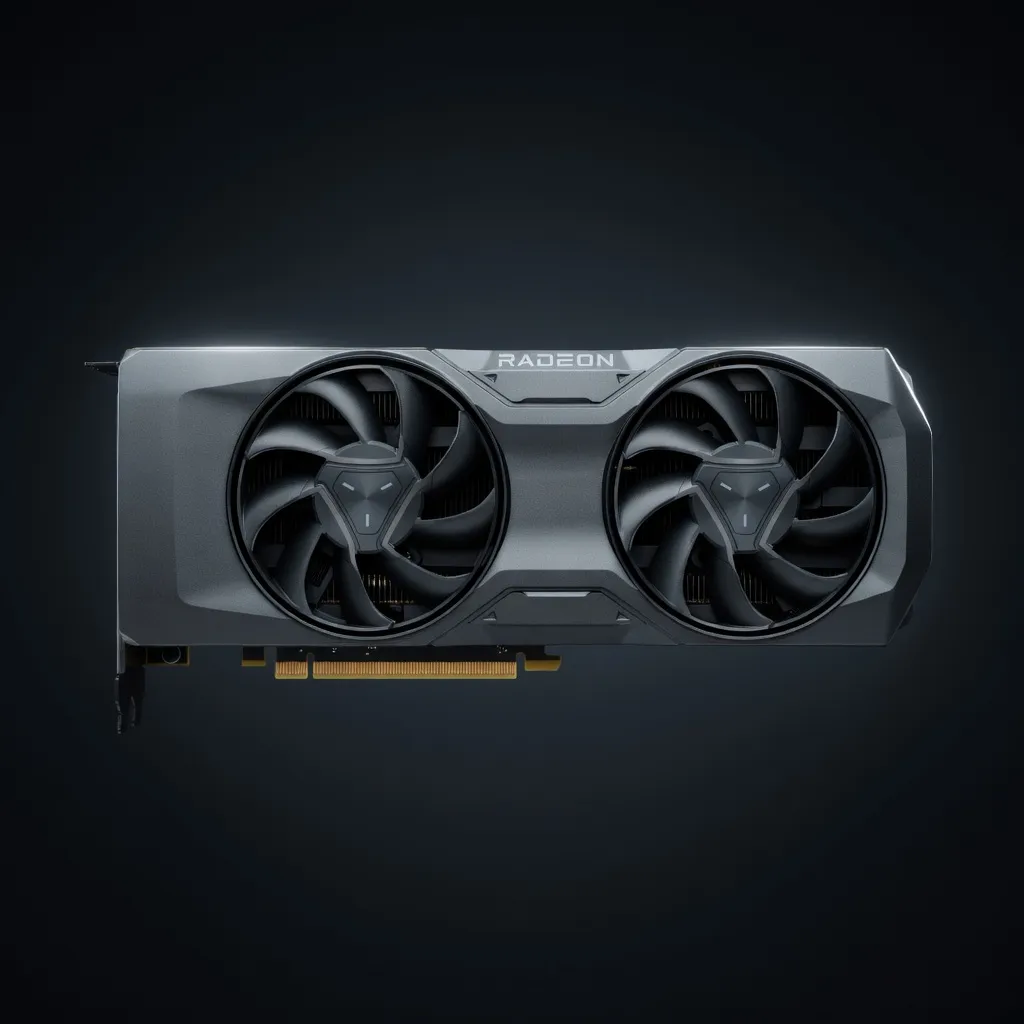
The AMD Radeon RX 7900 XTX represents the current high-water mark for RDNA 3 architecture, offering a compelling alternative to NVIDIA’s ecosystem for practitioners who prioritize VRAM capacity per dollar. With 24GB of GDDR6 memory on a wide 384-bit bus, the 7900 XTX is positioned as a prosumer-grade powerhouse capable of handling substantial local LLM inference and computer vision tasks that would otherwise require much more expensive enterprise hardware.
While NVIDIA remains the dominant force in AI development due to CUDA, the RX 7900 XTX has become a staple for the "Open Source AI" movement. Thanks to the maturation of AMD’s ROCm (Radeon Open Compute) software stack, this GPU is now a viable choice for developers building agentic workflows or researchers running local inference on Linux and Windows (via WSL2 or native Olive). It competes directly with the NVIDIA RTX 4080 Super in gaming, but in AI workloads, its 24GB frame buffer puts it in a unique position, rivaling the RTX 4090 for memory-intensive tasks at a significantly lower MSRP of $999.
For AI engineers, the most critical spec of the RX 7900 XTX is the 24GB GDDR6 VRAM. In the context of local LLM inference, VRAM is the primary bottleneck; if a model doesn't fit in memory, performance drops by orders of magnitude as the system spills over to system RAM. The 7900 XTX provides the same memory capacity as the much pricier RTX 4090, making it one of the best AMD GPUs for running AI models locally.
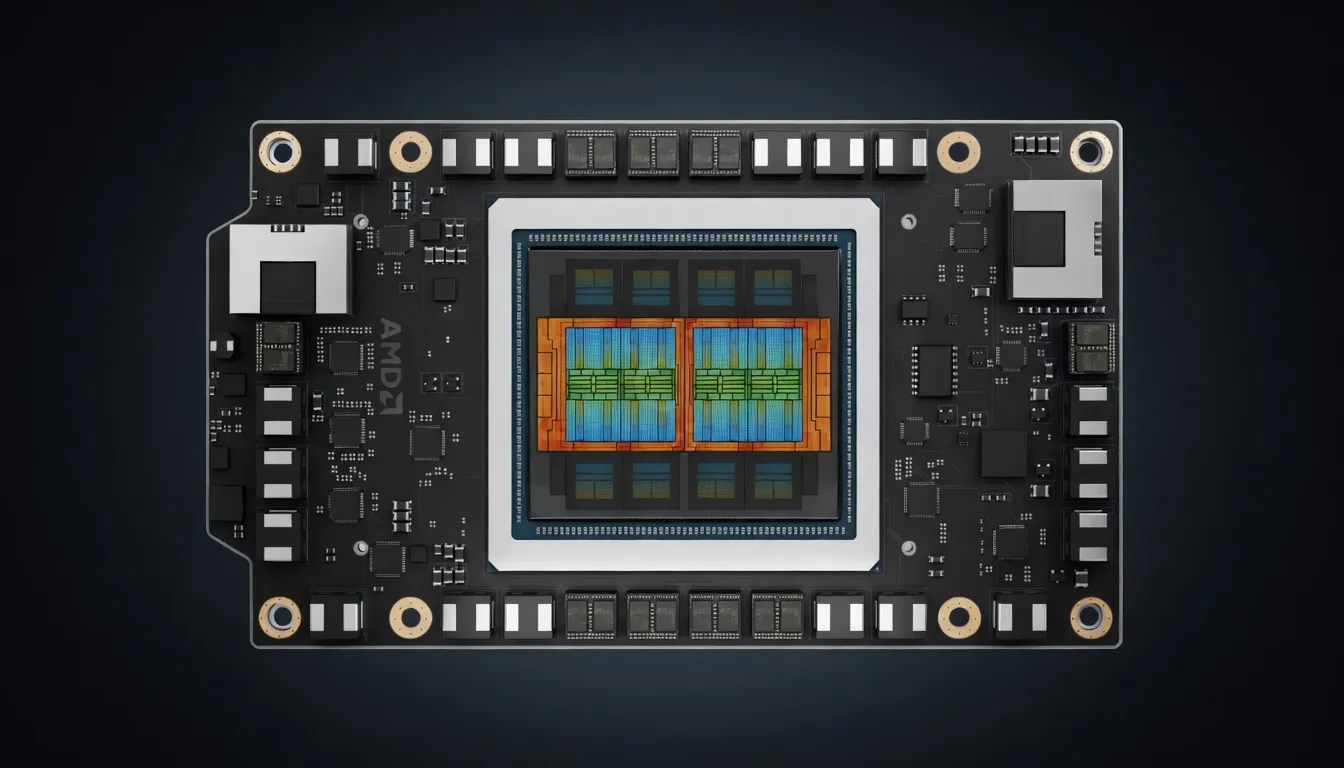
The 7900 XTX delivers 122.8 TFLOPS of FP16 performance, driven by 96 RDNA 3 Compute Units. This architecture includes dedicated "AI Accelerators," designed to handle the matrix multiplications central to transformer-based models. While RDNA 3's AI throughput is a significant leap over RDNA 2, its primary strength in inference remains its 960 GB/s memory bandwidth. This high bandwidth is crucial for "Token Generation" speed (tokens per second), as LLM inference is often memory-bandwidth bound rather than compute-bound.
With a TDP of 355Wthe 7900 XTX is a power-hungry card. Practitioners should ensure a minimum 850W power supply and a case with sufficient airflow. For multi-GPU setups, common in local AI agent training or hosting larger models, the 3.5-slot width of many AIB (Add-in Board) models can make physical density a challenge compared to blower-style professional cards.
The RX 7900 XTX excels at running mid-sized models entirely on-chip, avoiding the latency of PCIe transfers. Using tools like LM Studio, Ollama, or vLLM (via ROCm), users can deploy a wide array of state-of-the-art models.
The "sweet spot" for the 7900 XTX is the 13B to 30B parameter range.
The RX 7900 XTX is frequently cited as one of the best GPUs for computer vision in its price bracket. It easily handles:
If your goal is to run a "private GPT" or a local research assistant, the 7900 XTX is the most cost-effective way to get 24GB of VRAM. It allows you to experiment with DeepSeek-R1 (Distilled) or Qwen 2.5 models at high bitrates, ensuring better reasoning capabilities than smaller 7B models.
For those building local AI agents, VRAM is consumed not just by the model, but by the "scratchpad" and memory of the agent. The 24GB buffer allows for larger system prompts and longer conversation histories, which are essential for maintaining agent coherence in complex tasks.
While AMD's Windows support via the Olive SDK is improving, the 7900 XTX shines on Linux. Using the ROCm (Radeon Open Compute) platform, researchers can run PyTorch and TensorFlow workloads with near-native performance. It is an excellent "dev box" card for prototyping models before deploying them to cloud-based H100 or A100 clusters.
The 4080 Super is the closest price competitor. While the NVIDIA card has superior software support (CUDA) and better power efficiency, it is limited to 16GB of VRAM. For AI, this is a dealbreaker for many. The 7900 XTX can run 30B parameter models that the 4080 Super simply cannot fit without heavy quantization that degrades intelligence. If your workload is strictly inference-heavy and utilizes open-source libraries, the 7900 XTX is the better value.
The RTX 4090 is the gold standard for consumer AI, offering 24GB of faster GDDR6X memory and significantly higher FP16 throughput. However, the 4090 often costs $1,700–$2,000. For practitioners on a budget, the 7900 XTX provides the same 24GB capacity for roughly half the price. While you sacrifice some raw speed and the ease of CUDA, the 7900 XTX is the more pragmatic choice for local deployment of 13B at Q4 parameter models where "good enough" speed is acceptable.
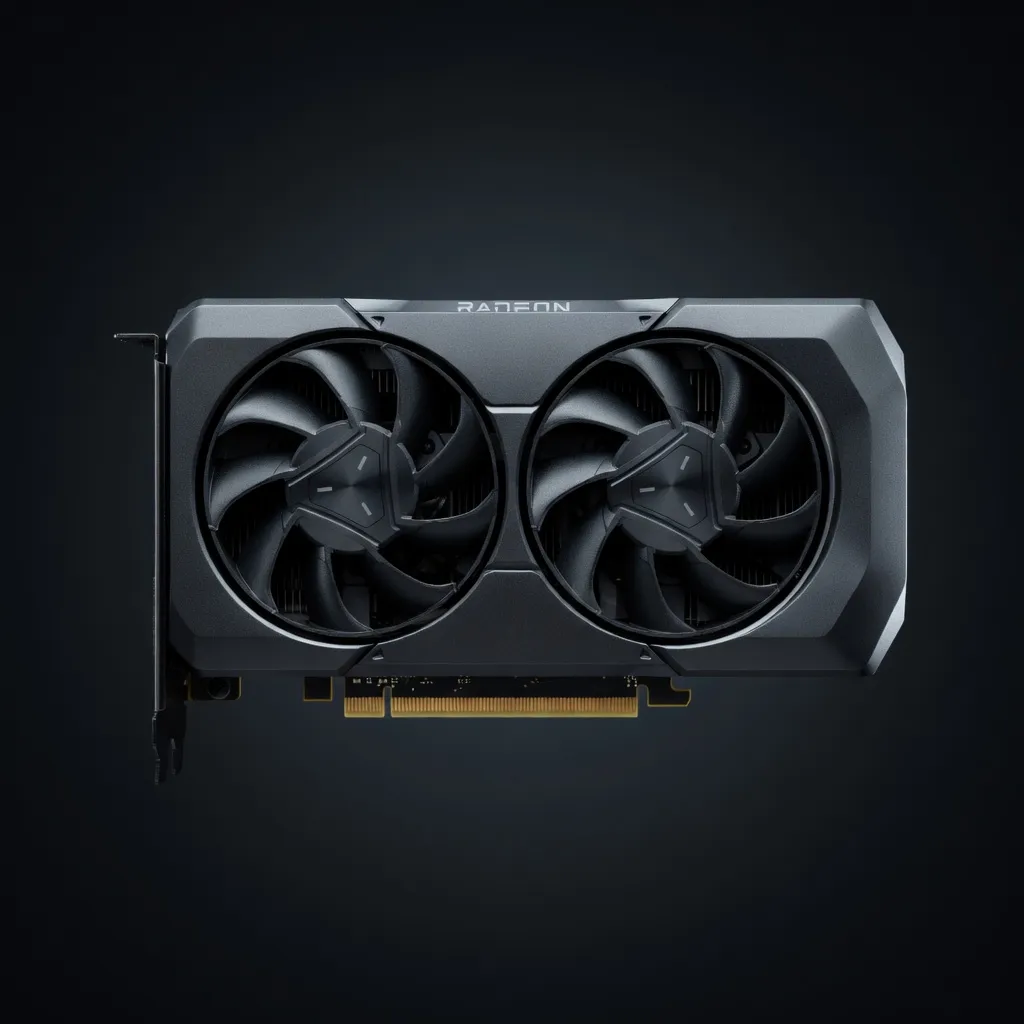
The non-XTX version features 20GB of VRAM. While cheaper, the 4GB difference is significant in AI workloads. The 24GB on the XTX allows for "headroom", the ability to run a model, a vector database (for RAG), and a UI concurrently without hitting a memory wall. For serious AI development, the XTX is the necessary step up.
The top models this device can run at 4-bit, ranked by fit and speed.
| Model | Grade | Speed | VRAM |
|---|---|---|---|
| Mixtral 8x7B InstructMistral AI | SS | 68.0 tok/s | 11.4 GB |
| Holo4-27BHcompany | SS | 45.3 tok/s | 17.0 GB |
| Xing4.0-29B-A4BChina Telecom AI | SS | 68.9 tok/s | 11.2 GB |
| Gemma 4 26B-A4B ITGoogle | SS | 70.2 tok/s | 11.0 GB |
| DiffusionGemma 26B-A4BGoogle | SS | 73.7 tok/s | 10.5 GB |
Among 6 similar devices, the AMD Radeon RX 7900 XTX ranks #2 for memory and #2 for memory bandwidth.
Also in Our Store
Docks, fast storage, cables, and a UPS sized for a local AI machine.
Rent this class of GPU by the hour before you buy. Live prices from RunPod and Vast.ai.
Find the break-even between buying this hardware and paying for a cloud API.
Mac vs NVIDIA for local inference, if you are still choosing a platform.